
Diesel Squeeze Could Lift Grindrod Stock And Fuel Logistics Shares
Global fuel markets are being stress tested by a prolonged diesel squeeze, and that kind of strain can quietly reorder who wins and who struggles in energy-linked stocks. Price gaps, storage value, and trading flows all shift when diesel stays tight for years, not weeks. This article walks through three stocks exposed to that story and shows where the current dislocation might create opportunity or risk for your portfolio.
The stocks covered below are just a starting sample, and the full screen surfaced 49 more fuel trading, storage and energy marketing companies with equally compelling narratives that are not included in this article.
To identify and analyze potential high-conviction ideas before drilling into individual tickers, head straight to the Global Fuel Trading, Storage & Energy Marketing Firms screener.
Grindrod (JSE:GND)
Overview: Grindrod is a Durban based logistics group that runs ports, terminals, storage and freight corridors, giving investors indirect exposure to fuel and commodity flow disruptions across Africa and key export routes.
Operations: Grindrod generates around ZAR 4.0b from Logistics and ZAR 3.9b from Ports and Terminals, with South Africa and the broader African region its largest revenue contributors.
Market Cap: ZAR 19.1b
Grindrod is relevant for this fuel trading and storage theme because its ports, terminals and freight corridors are positioned where diesel tightness and freight dislocations are reflected in cargo flows.
"The return of 13 locomotives from Sierra Leone for redeployment in South Africa is still expected to support higher rail asset utilisation and fee income through leasing and service contracts, which would feed into revenue and earnings."
There is a key question around what happens to margins if that freight corridor build out encounters an unresolved constraint on throughput and pricing power across its terminal network.
If that bottleneck risk matters to you, read the full narrative for Grindrod to see how Grindrod’s rail and terminal story could be accelerating beyond the headline freight squeeze.

Compañía Sud Americana de Vapores (SNSE:VAPORES)
Overview: Compañía Sud Americana de Vapores runs a global container shipping network that can carry refined fuels and rerouted cargo across key diesel trade lanes.
Market Cap: CLP 2.4t
Compañía Sud Americana de Vapores gives you exposure to seaborne routes where diesel shortages can shift cargo flows, freight rates, and contract terms. The stock screens as deeply discounted and currently loss making, so any change in rerouted fuel volumes or pricing power could have an outsized impact on future margins if a single key assumption breaks.
That kind of margin torque cuts both ways, so review the 3 key rewards and 2 important warning signs (2 are major!) before diesel tightness or contract shifts start meaningfully reshaping Compañía Sud Americana de Vapores.
Buana Lintas Lautan (IDX:BULL)
Overview: Buana Lintas Lautan is an Indonesia based tanker operator that transports crude oil, refined fuels and liquefied gas across regional trade routes.
Operations: Most revenue comes from Oil, FPSO and FSO tankers at about US$193 million, with gas and other services adding roughly US$11 million.
Market Cap: IDR 4,152.5b
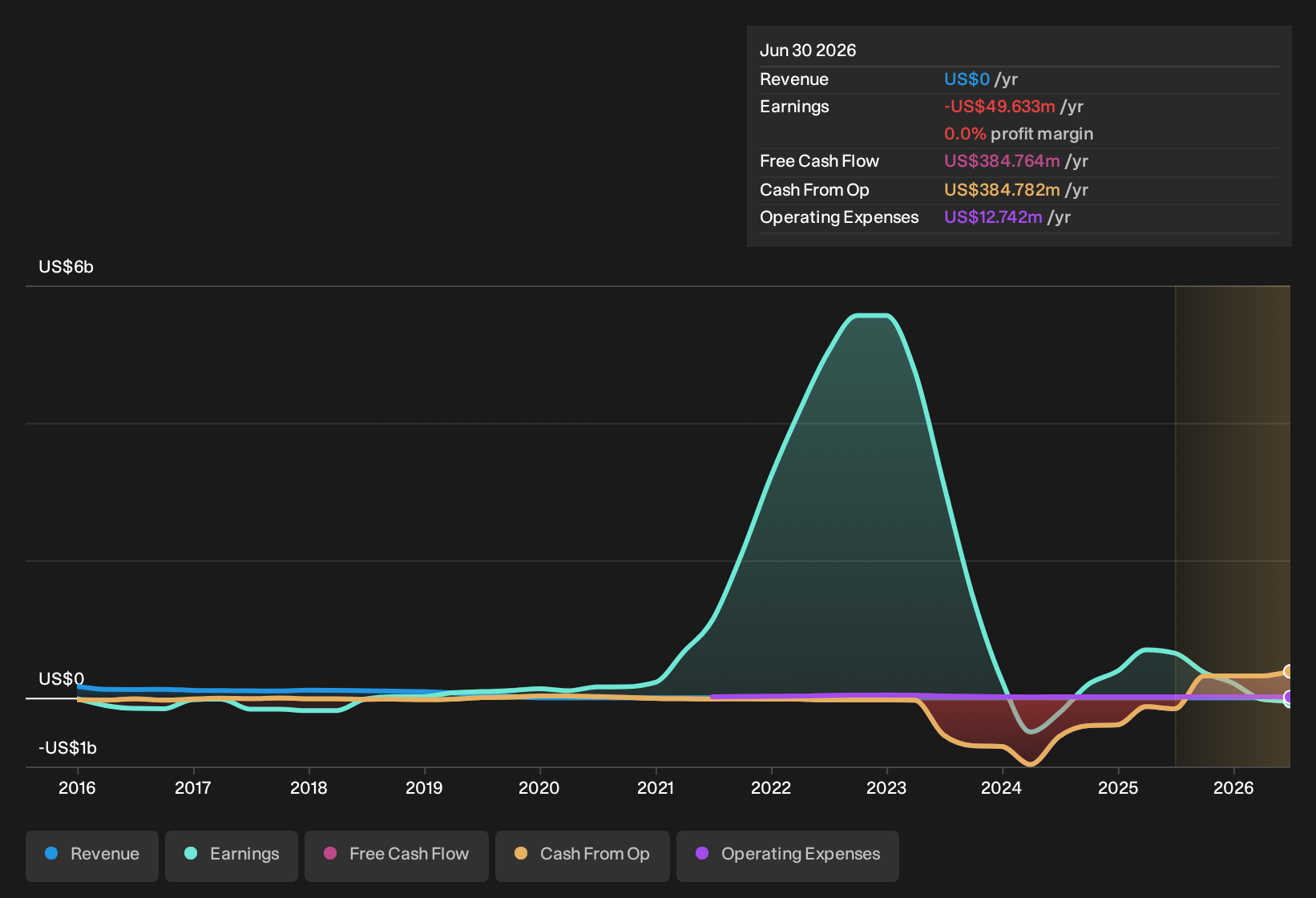
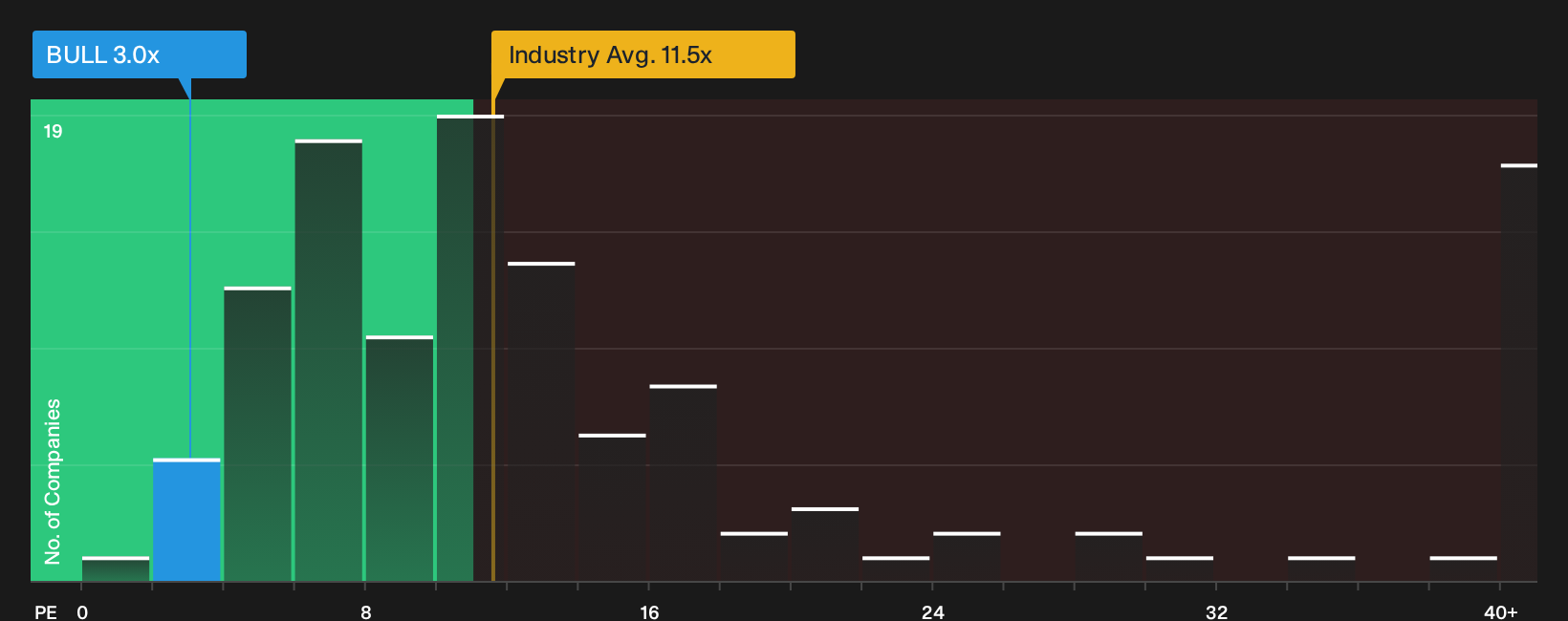
Buana Lintas Lautan sits on the fuel flows that this screener targets, shifting crude and refined products across Indonesia as diesel shortages reshape regional trade patterns. Strong recent profitability and a low P/E around 3x provide investors with leveraged exposure to tighter product markets, depending on how one unseen pressure feeds through to tanker day rates and renewal terms.
Those contract shifts and day rate moves are already in play, so pull up the analysis report for Buana Lintas Lautan to see how Buana Lintas Lautan’s risk reward is really skewed.
Seeking Alternatives Before The Crowd?
Fresh ideas move first. Breakout moves, sharp momentum shifts and quietly flying leaders often get caught late. Scan under the radar for now, while it matters, and consider moving earlier in your own research process.
- Identify strong cash generators before momentum headlines hit by scanning the 195 high quality undervalued stocks curated for balance sheet strength and robust free cash flow, then decide which stories deserve your attention.
- Explore potential infrastructure-related opportunities by reviewing the 42 power grid technology and infrastructure stocks and track businesses connected to long term grid upgrades while they may still be quietly priced.
- Assess early-cycle compounding characteristics by checking the 224 dividend fortresses and focus on companies where steady payouts and resilient operations might help stabilize your portfolio when sentiment swings.
Have feedback on this article? Concerned about the content? Get in touch with us directly. Alternatively, email editorial-team@simplywallst.com