
3 Midstream Stocks Tied To Oil Storage And New Energy Trade Routes
Energy trade routes are quietly being redrawn as Saudi Arabia shifts oil storage offshore, new corridors like IMEC gain traction, and security risks around Gulf infrastructure stay in the spotlight. That mix can reshape who controls storage, pipelines, and midstream transport, and where capital eventually flows. This article examines three stocks exposed to these developments and explains how their business models line up with this evolving map of oil and gas logistics.
The three stocks in focus are just a starting sample, and the full screen surfaced 13 more companies with equally detailed logistics angles and capital allocation stories that are not covered here.
If you want to identify, compare, and analyze potential high conviction plays in this theme, head straight into the Global Oil & Gas Infrastructure and Midstream Transport screener.
Pakistan State Oil (KASE:PSO)
Pakistan State Oil underpins Pakistan’s fuel logistics, running procurement, storage, and distribution that tie directly into the midstream storage theme. Petroleum Products generate about PKR2,406.9b, LNG adds roughly PKR630.6b, Refining Operations about PKR350.8b, and Other activities PKR12.6b, with intergroup eliminations of PKR188.5b. The group’s market cap is around PKR164.9b.
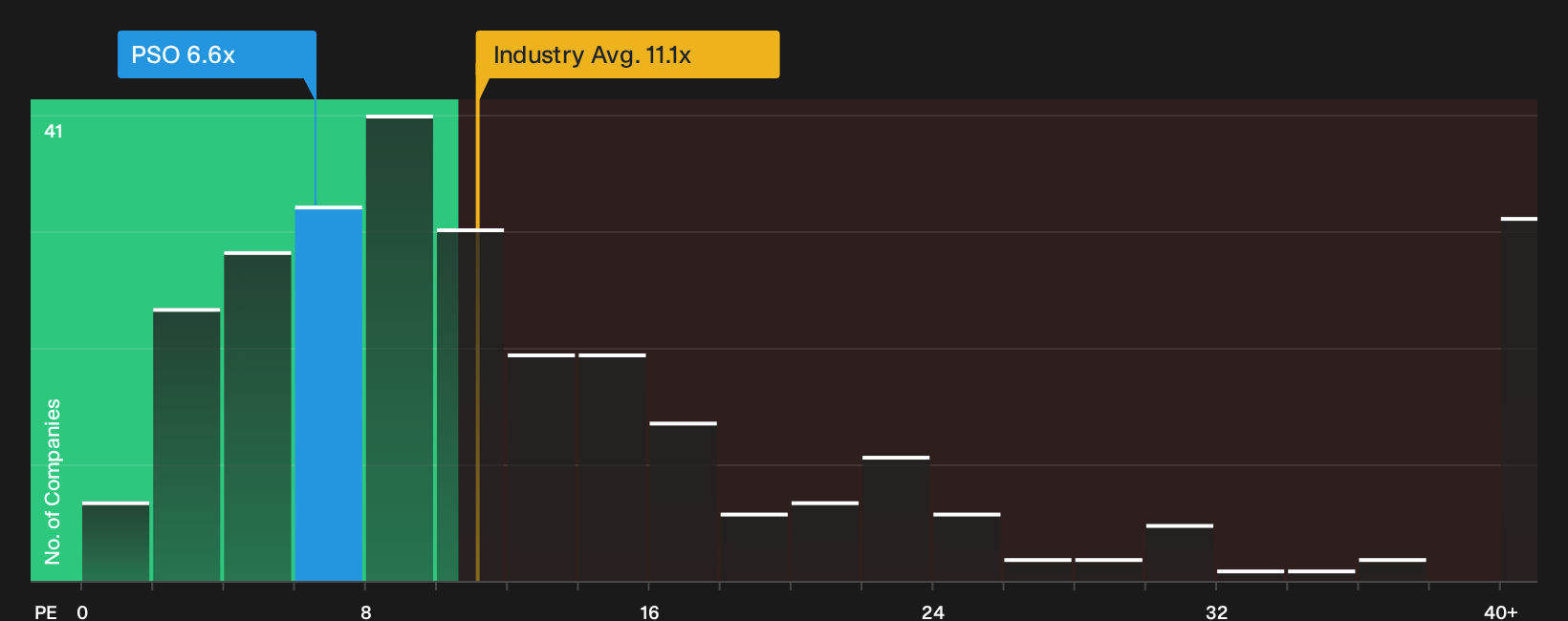
Pakistan State Oil controls a dense network of depots, terminals, and airport refueling points, so it directly benefits when attention shifts to storage security and route diversification. Earnings on a 6.6x P/E look supported by scale; however, funding needs for these heavy assets leave plenty riding on what happens when one unseen pressure on its balance sheet shifts.
When that kind of balance sheet pressure is in play, you may want to see the full 3 key rewards and 2 important warning signs (1 is major!) before deciding how Pakistan State Oil fits your thesis.
Sustained Infrastructure Holding (SASE:2190)
Sustained Infrastructure Holding runs Saudi and international port terminals, logistics parks, and water desalination assets that plug into re-routed oil and gas export corridors. Port development delivers about SAR1.9b, with logistic parks at roughly SAR162m and water services around SAR101m. The business is valued at about SAR2.7b in market cap.
Sustained Infrastructure Holding provides direct exposure to port terminals and logistics parks that can capture rerouted Middle East energy flows. Earnings trends, margin performance, and a midstream-focused portfolio all play a role, yet the effect of one unresolved funding pressure still hangs over how far those cash flows can stretch.
That unresolved funding squeeze is exactly why the full Sustained Infrastructure Holding financial health report can help you see whether Sustained Infrastructure Holding’s growth ambitions outrun its balance sheet.
OQ Gas Networks SAOG (MSM:OQGN)
OQ Gas Networks SAOG gives you direct exposure to regulated gas pipelines in Oman, at the intersection of secure regional energy routes and growing interest in resilient midstream infrastructure. This creates a clear energy transition angle within this screener.
"OQ Gas Networks SAOG's involvement in energy transition projects, including its mandate to transport CO2 and future green hydrogen, keeps the earlier hydrogen export narrative live and points to potential new tariff-based revenue streams once these networks move from feasibility to execution."
What happens when one key regulatory decision shifts how much of those future transport costs can actually be passed through into earnings?
That pass through question is exactly where the full narrative for OQ Gas Networks SAOG maps how regulation, new projects, and tariff design could turn OQ Gas Networks SAOG into an accelerating infrastructure story.

Curious To Seek The Next Alternatives?
Fresh themes move first, and late money often chases after the breakout once momentum is already flying. Scan under-the-radar ideas before the crowd catches up, get in early.
- Spot early movers with robust balance sheets by running through a curated list of solid balance sheet and fundamentals (207 results), which filters out fragile stories before they start dropping out of contention.
- Consider potential secular demand for critical materials by zeroing in on a hand-picked 16 top copper producer stocks that focuses on producers, not fringe speculative plays.
- Explore structural yield opportunities by scanning a tight 224 dividend fortresses that concentrates on established payers aiming to keep distributions flying while it still matters.
Have feedback on this article? Concerned about the content? Get in touch with us directly. Alternatively, email editorial-team@simplywallst.com