
TORONTO, ON / ACCESS Newswire / October 23, 2026 / Ending a marriage involves more than submitting a form and waiting for a judge's signature. For couples in Toronto, Ontario, the process follows provincial court procedures alongside federal divorce law. Even an uncontested application requires accurate documents, proper service, and time for the court to review everything. The length of the marriage or intensity of the breakup does not by itself determine the processing time. What matters most is whether the legal requirements are met, whether anyone disputes the application, and how efficiently each stage proceeds.
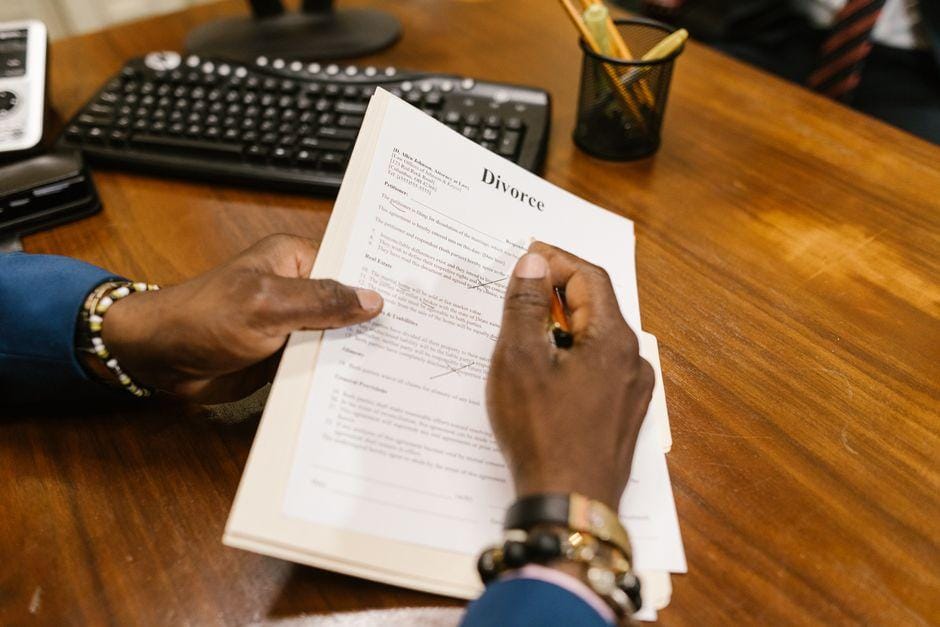
First, Understand What Makes a Divorce Simple
A simple divorce generally involves one spouse applying only to end the marriage, without requesting orders about parenting, support, or property in the same application. That narrower request can keep the process relatively straightforward. It does not mean other financial or family issues disappear when the divorce is granted.
Before filing, consider whether important matters remain unsettled. Divorce and property claims can follow different rules and deadlines. Child support obligations deserve particular attention because the court must be satisfied that reasonable arrangements have been made for any children of the marriage. An uncontested application is easier to process when the necessary information is complete and consistent.
Put the Three-Month Estimate in Context
For readers planning around a deadline, Nussbaum Law estimates simple divorce timelines at 3 months. That is a useful planning reference for an uncomplicated file, not a guaranteed court deadline. The firm's more detailed guidance describes a roughly three-to-four-month process under favorable circumstances.
The clock includes preparation, filing, service, the opportunity for a response, and judicial review. Processing volume and missing information can make it longer. Also distinguish the time spent separated from the time spent obtaining an order. Couples relying on separation as the ground for divorce generally must have lived separate and apart for at least one year before the divorce can be granted, although an application may be started earlier in appropriate circumstances.
Make Sure the Marriage Can Legally Be Dissolved
Before preparing forms, confirm eligibility. Generally, one spouse must have lived in the province or territory where the application is filed for at least the preceding year. The marriage must also have broken down under the legal grounds recognized for divorce.
The requirements for applying for divorce explain the usual one-year separation ground and the alternative grounds involving adultery or cruelty. A period of separation is not identical to living at different addresses in every circumstance; the facts and intention to separate may matter.
This is worth checking early. If eligibility or separation dates are disputed, the application may no longer proceed as a routine paperwork matter. Avoid treating a personal anniversary or move-out date as automatic proof without reviewing the circumstances.
Prepare Documents Before Starting the Application
Administrative mistakes are a common source of avoidable delay. Confirm the spelling of both spouses' names, the marriage date, addresses, and any relevant court file information. Obtain the marriage certificate or determine what explanation and supporting material will be needed if it cannot be produced.
Use current forms and follow the filing instructions carefully. Information should match across the application, affidavit, and supporting documents. Incomplete signatures or inconsistent dates can result in a request for correction. Keep copies of everything filed, including confirmation notices.
It is easier to fix a discrepancy before submission than after the court has paused processing to ask for clarification.
Allow Time for Service and a Response
For an individual application, the other spouse generally must receive the court documents through the required method of service. The applicant cannot simply hand over the documents personally and assume that counts. Proof of service must also be filed.
The court procedures for serving an application identify a typical 30-calendar-day response period for service within the specified domestic service area, and 60 days for service outside it. A joint application follows different service requirements.
Problems locating the other spouse or documenting service can add substantial time. Do not improvise an alternative method because contacting someone is difficult. Ask about the court-authorized procedure instead.
Recognize Delays That Are Hard to Predict
Court workload is outside your control. Incorrect paperwork, missing certificates, unsuccessful service, disputed dates, or a response from the other spouse can add further steps. Even a file described as uncontested at the beginning may become more complicated if a disagreement emerges.
Avoid relying on an exact completion date for travel, a planned ceremony, or another time-sensitive commitment. Where deadlines matter, explain them to a legal professional and confirm what can realistically be done. Good preparation reduces preventable delays; it cannot eliminate the court's review process.
Keep the Process Organized and Realistic
Create a small file containing the marriage certificate, completed forms, service records, court correspondence, and important dates. Review notices promptly and respond to requests for corrections using the required procedure. If unresolved parenting, support, or property questions exist, seek advice about those issues rather than assuming a simple divorce settles them.
The process may take only a few months once the application is ready and uncontested, but every case has its own timing. Understanding the stages gives you a better plan than treating a three-month estimate as a promise. The objective is a legally sound result with fewer unnecessary setbacks, not merely the fastest possible signature.
About Nussbaum Law
Nussbaum Law provides legal services in Canada, including guidance on divorce proceedings and family law matters. The firm helps clients understand applicable legal requirements and navigate the steps involved in resolving family law issues.
Media Contact Details
Barry Nussbaum
Nussbaum Law
info@nussbaumlaw.ca
nussbaumlaw.ca
SOURCE: Nussbaum Law
View the original press release on ACCESS Newswire