
3 Dividend Growth Stocks For Investors Seeking Steady Income As Rate Fears Ease
Markets are caught between easing rate hike fears and fresh worries over tech volatility, inflation and geopolitics, and that mix is reshaping where dividend investors look for comfort. Rather than chase the latest story, you can focus on global companies that already pay you to wait. This article walks through three stocks from a high quality dividend growth screener that appear positioned to respond to this new backdrop.
The three stocks below are just a sample from the idea, and the full screen surfaced 8 more companies with equally detailed dividend and balance sheet stories that are not covered here. To identify, compare, and analyze your own high conviction opportunities, head straight into the Global High-Quality Dividend Growers Benefiting from Easing Rate-Hike Expectations screener
Federal Realty Investment Trust (FRT)
Overview: Federal Realty Investment Trust owns and redevelops open air shopping centers and mixed use destinations in affluent coastal and select high demand U.S. markets, collecting rent from retail tenants and residents.
Operations: Federal Realty Investment Trust generates about US$1.3b in revenue from owning, managing and redeveloping retail and mixed use properties across the United States.
Market Cap: US$9.2b
Federal Realty Investment Trust fits this dividend growth screen as a large, income focused landlord whose coastal retail hubs can benefit if investors shift from volatile growth stories toward steadier cash payers tied to everyday consumer spending.
"Re merchandising and leasing progress at properties like Grossmont Center, where Federal Realty Investment Trust is investing about US$56m and adding tenants such as Bass Pro Shops and AMC, is expected to lift productivity at these centers and contribute to higher rents and NOI, which should support FFO and long term earnings."
What happens to those income streams if a single key assumption about funding costs and refinancing spreads moves against the REIT?
If that refinancing risk matters to your income thesis, read the full narrative for Federal Realty Investment Trust to see how funding costs, redevelopment plans, and tenant mix could be quietly reshaping returns.
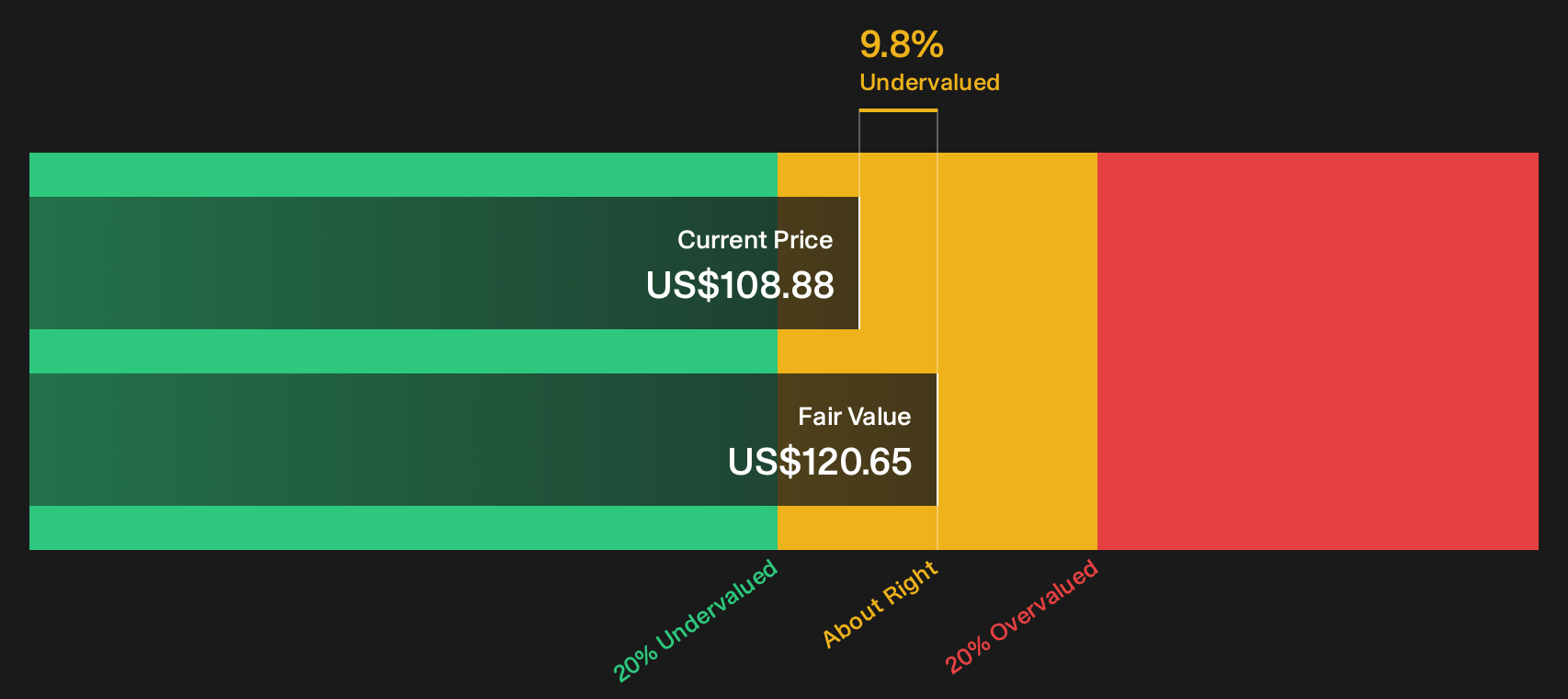
Realty Income (O)
Overview: Realty Income is a large net lease REIT that owns thousands of single tenant properties and pays investors regular monthly dividends.
Operations: Realty Income generates about US$6.1b from leasing properties to clients, primarily across the United States and the United Kingdom.
Market Cap: US$52.4b
Realty Income sits near the center of this dividend growth theme because investors looking for reliable equity income often treat it as the benchmark when bond yields slip and rate hike worries cool.
"Realty Income is the standard in REITs. Having paid a monthly dividend over 32 years in uninterrupted (starting at 1994), every investor that wants to have a secure and reliable source of dividend income has a position or had some kind of investment in this company over time."
The real test for that track record comes if a single assumption about its long term funding costs and access to cheap capital stops holding.
If that assumption ever starts to crack, the full narrative for Realty Income shows how Realty Income’s funding model, tenant mix and dividend ambitions could be quietly decoupling from past patterns.
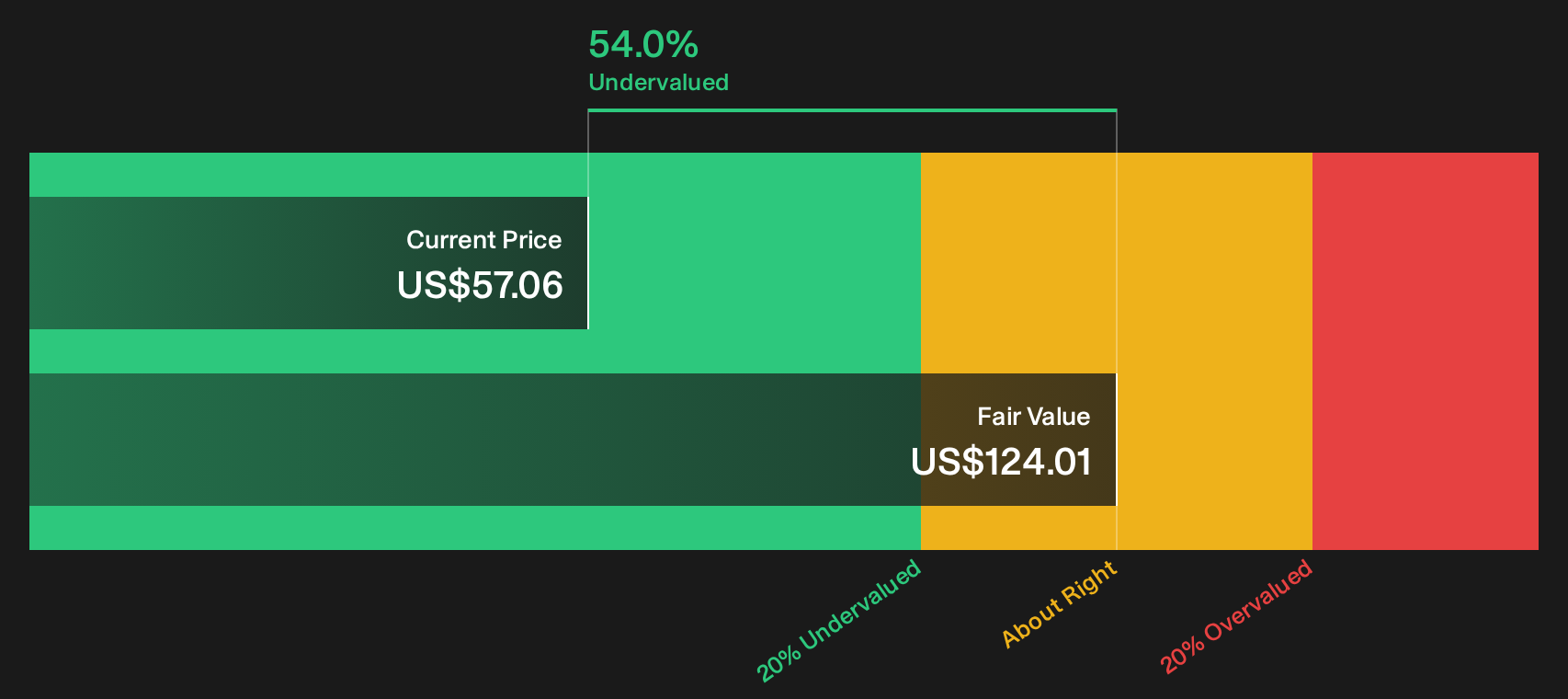
Supermarket Income REIT (LSE:SUPR)
Overview: Supermarket Income REIT invests in UK and European omnichannel supermarket properties, aiming for long term, inflation linked rental income and progressive dividends.
Operations: Supermarket Income REIT generates about £115 million from supermarket property assets, with roughly £90 million from the UK and £11 million from France.
Market Cap: £1.13b
Supermarket Income REIT fits this dividend growth theme as a pure play on essential grocery real estate. Long leases and inflation linked rents can appeal more when bond yields ease and investors value visible cash flows from everyday food spending.
"The proposed internalization of the company is expected to significantly reduce costs, targeting an EPRA cost ratio below 9%, down from 13.6%, which is likely to enhance net margins and earnings due to lower operational costs."
The real swing factor for Supermarket Income REIT is what happens if a single assumption about funding conditions and refinancing spreads breaks.
When that funding assumption wobbles, the full narrative for Supermarket Income REIT shows how Supermarket Income REIT’s refinancing risks, lease terms and income prospects could be quietly accelerating or stalling future payouts.

Seeking Fresh Alternatives Before They Fly
New ideas with real momentum do not stay under the radar for long. Spot potential breakouts and stocks quietly building strength before the crowd, then act now.
- Target reliable income streams while rates shift again by scanning a curated group of income payers in the 6 dividend fortresses before yields get caught dropping.
- Track the next wave of automation momentum by zeroing in on under the radar leaders inside the 95 robotics and automation stocks before their stories start flying across headlines.
- Position ahead of the next power build out by reviewing potential grid beneficiaries in the 42 power grid technology and infrastructure stocks while the opportunity is still fresh and underpriced.
Have feedback on this article? Concerned about the content? Get in touch with us directly. Alternatively, email editorial-team@simplywallst.com