
3 U.S. Lender Stocks Built For Higher Interest Rates
When inflation sits around 3.6% and the Federal Reserve hints at more rate hikes in 2026, money does not flow through credit markets the way it used to. Lenders tied to floating-rate loans and short-duration credit can feel that shift first, for better or worse, as borrowers and investors adjust to higher funding costs. This article walks through three stocks exposed to that story, and why their reaction to tighter policy could matter for your portfolio.
The three lenders covered next are just a sample set, and the full idea screen surfaced 23 more U.S. floating rate and short duration credit providers with equally compelling stories that are not broken out in this article.
If you want to go straight to the source and sort through them yourself, you can analyze and compare the full universe of candidates directly in the US Floating-Rate Lenders and Short-Duration Credit Providers screener.
Amerant Bancorp (AMTB)
Overview: Amerant Bancorp is a Florida based bank holding company that provides a wide range of deposit, lending and wealth services across the U.S., with a loan book that leans into commercial and consumer credits where floating and shorter term rates are especially relevant.
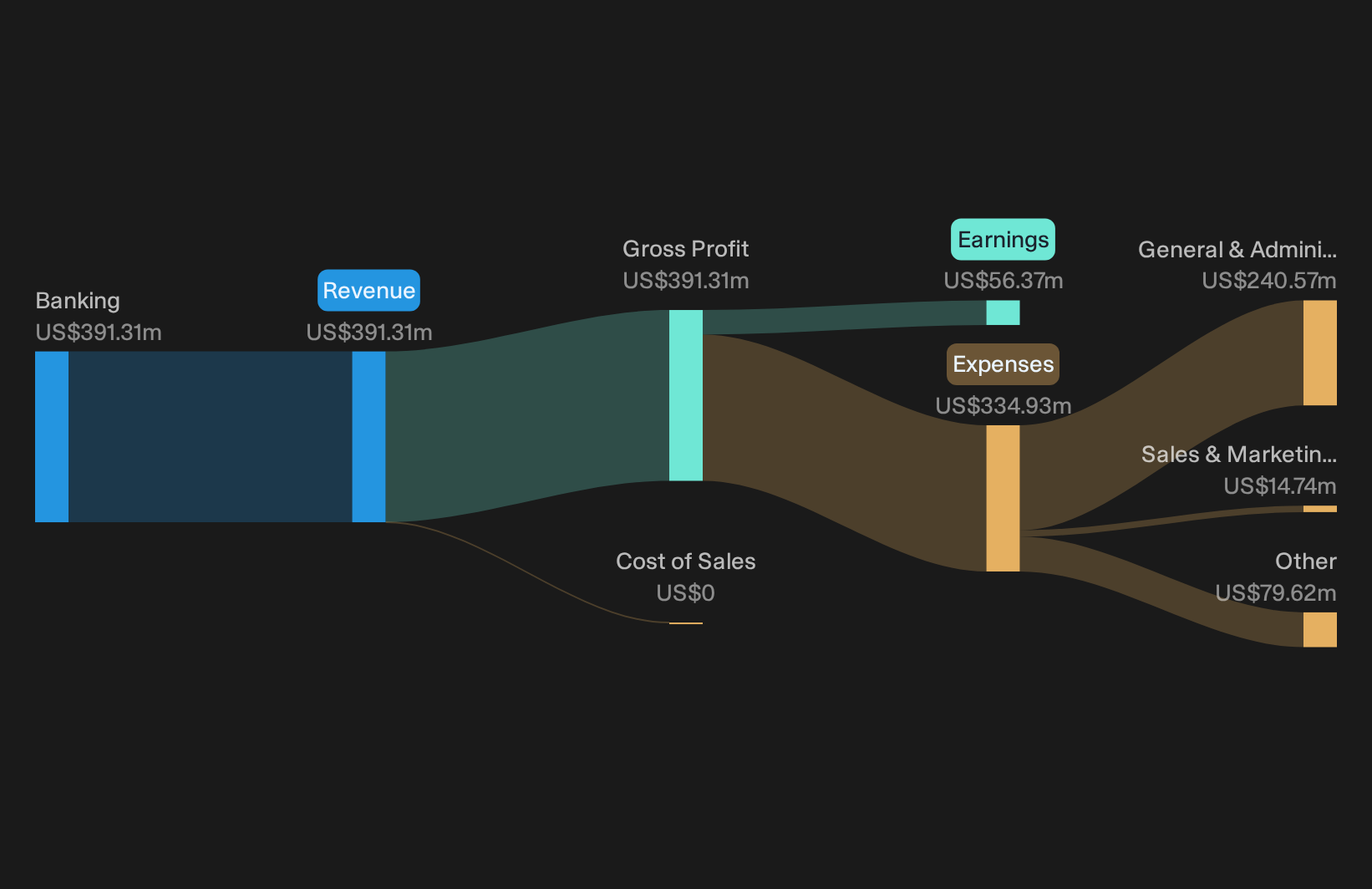
Operations: Amerant Bancorp generates about US$391 million of revenue from banking activities, with results tied primarily to its core lending and deposit franchise.
Market Cap: US$1.1b
Amerant Bancorp fits this screener because it is a mid sized U.S. lender where floating rate and shorter term loans sit at the center of how higher policy rates filter through to earnings. This makes its funding decisions and credit discipline critical as the rate cycle drags on.
"Growth in low cost international deposits, including sub 1% funding from Venezuela, is expected to keep supporting Amerant Bancorp’s net interest margin and help sustain interest income on a larger balance sheet.
What could matter next is how one unresolved pressure on credit costs and reserves interacts with that funding edge if conditions tighten further.
That tension around funding costs and credit quality is exactly what the full narrative for Amerant Bancorp unpacks, including where pressure today could mask longer term upside.
Apollo Global Management (APO)
Overview: Apollo Global Management runs a global investing platform focused on credit, private equity, real assets and retirement solutions for institutions and individuals.
Operations: Apollo generates about US$25.9b from Retirement Services, US$6.5b from Asset Management and US$1.4b from Principal Investing activities.
Market Cap: US$65.7b
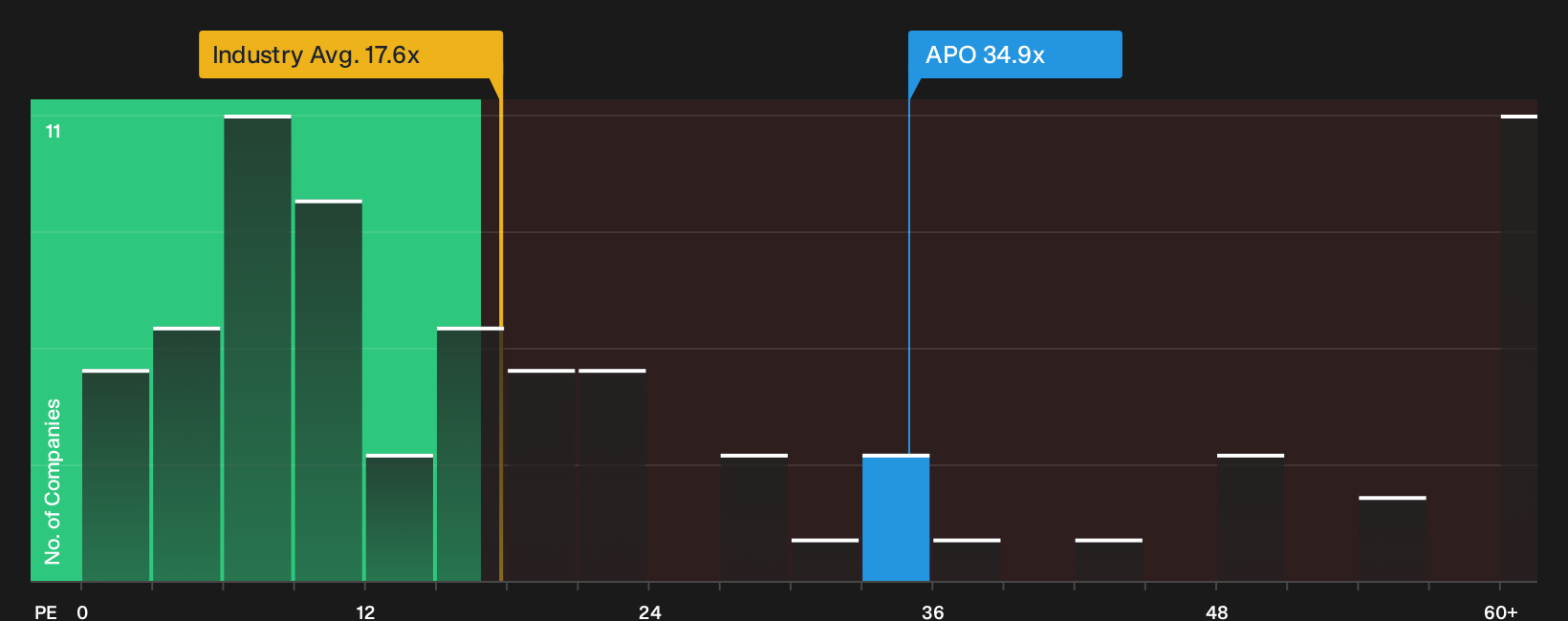
Apollo Global Management matters for this floating rate and short duration screen because a large portion of its credit platform is built around loans and securities whose income can reset quickly when short term interest rates stay elevated.
"Apollo's inclusion in the S&P 500 is expected to broaden its shareholder base, leading to potential growth in public market exposure and thus possibly driving future revenue increases."
What could really shift the picture for Apollo Global Management is how one unseen pressure on funding costs and credit spreads eventually resolves.
That unresolved pressure is exactly where the story gets interesting, and the full narrative for Apollo Global Management shows how Apollo Global Management could turn that funding squeeze into accelerating fee power.
Colony Bankcorp (CBAN)
Overview: Colony Bankcorp is a Georgia based community bank that leans on adjustable rate and short term lending to serve local businesses and households.
Operations: Colony Bankcorp generates about US$130 million from its Banking Division, with smaller contributions from Mortgage Banking and Small Business Specialty Lending.
Market Cap: US$424 million
Colony Bankcorp plugs into this floating rate theme from the ground level, where relationship banking, adjustable loans and short duration credits all meet a higher for longer Fed outlook.
"The build out of fee-based businesses such as Colony Financial Advisors and Colony Insurance, including almost 15% quarter over quarter growth in assets under management to US$637 million and record pretax income in the insurance unit, positions Colony Bankcorp to generate more noninterest income and reduce reliance on spread revenue over time."
What really decides how that story plays out is how one quiet shift in funding and credit costs interacts with this fee mix.
That quiet shift is exactly where the full narrative for Colony Bankcorp shows whether Colony Bankcorp’s fee growth is masking risk or setting up accelerating returns on capital.

Seeking Fresh Alternatives Before They Fly
Some of the sharpest breakouts start quietly while attention sits elsewhere. Find momentum that is still under the radar for now and move before the crowd arrives. Act now.
- Spot resilient cash generators that can hold up when markets get choppy by scanning the curated list of solid balance sheet and fundamentals (25 results) and filtering for balance sheets that appear built to last.
- Target income ideas with notable yield potential by running through the hand picked 7 dividend fortresses and focusing on payouts that could hold up while headlines keep dropping.
- Explore the build out of next wave AI picks by zeroing in on the focused 38 profitable AI stocks that aren't just burning cash and concentrating on businesses where cash flow already backs the story.
Have feedback on this article? Concerned about the content? Get in touch with us directly. Alternatively, email editorial-team@simplywallst.com