
Does buying oil in stock count as contract performance? Saudi Aramco and Asian refiners have a dispute, and 2027 crude oil contract negotiations are at an impasse
The Zhitong Finance App learned that traders involved in the negotiations revealed that Saudi Aramco's crude oil long-term negotiations with Asian refiners are at an impasse, and the two sides are in dispute over the uncompleted delivery volume under the current contract.
This dispute is a secondary issue brought about by the Middle East conflict: as a result of the conflict, crude oil exports to the region were blocked, and Saudi customers were unable to pick up the full amount of goods according to the Long Term Cooperation Association. As a result, refineries were forced to switch to the spot market to flexibly purchase Persian Gulf crude oil.
Since the beginning of September, although attacks on ships have continued, oil traffic in the Strait of Hormuz has recovered. Saudi Aramco has used this to increase its production of spot crude oil into Asia to meet this part of the demand.
As the world's largest exporter of crude oil, Saudi Aramco now hopes to return to the Changxie sales model and finalize next year's supply volume. A number of traders, who did not wish to be named and were not authorized to speak out, said that the core of the dispute is whether the refinery's recent spot purchases can be included in the annual delivery obligation agreed in this year's long-term agreement.
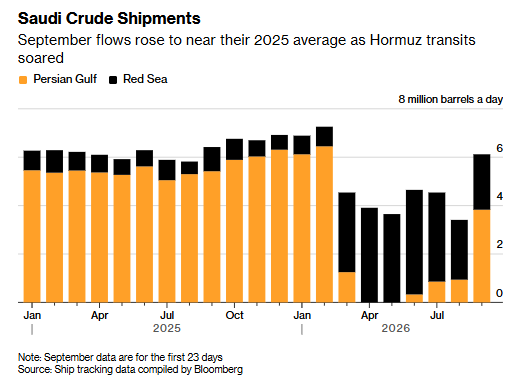
Traders said that if spot purchases are not included in the fulfillment volume, many Asian refineries will not be able to complete the long-term agreement targets signed with Saudi Aramco in 2026. Some refineries argue that spot purchases should be counted as fulfillment; however, Saudi Aramco did not approve, requiring customers to extract more crude oil according to the Changxie Association next year to fill the gap.
According to information, at least one refinery has received a request from Saudi Aramco and must promise to increase crude oil pickup volume in 2027 to make up for this year's delivery gap, and this refinery is opposed to this plan.
Saudi Aramco declined to comment.
The war in the Middle East has been slow to ease, and the prospects for crude oil transportation are full of uncertainty. Many Asian buyers are unwilling to lock in a higher volume of Changxie purchases next year. This disagreement has spread to the spot market, and Asian buyers have slowed the pace of procurement of Saudi crude oil and crude oil from other Middle Eastern oil producers.
In previous years, long-term negotiations for the new year were generally settled before the end of October. Asian refineries usually purchase Middle Eastern spot crude oil shipped in January in November, and the prerequisite for purchasing decisions is to first clarify the scale of next year's Changxie delivery.
Until the security situation in the Middle East stabilizes, there are still variables in the crude oil procurement pattern of Asian refineries from the Middle East. Saudi Aramco also proposed plans to adjust the pricing basis and delivery terms of the supply contract. One alternative is for the Saudi producer to carry crude oil directly to some Asian customers.