
Harbour Energy (LSE:HBR) Shares Climbed, What Is Behind The Latest Attention?
The Wintershall Dea acquisition is now reshaping Harbour Energy (LSE:HBR), expanding its production footprint beyond mature UK North Sea fields and spreading operational risk across multiple regions. Investors are weighing this broader reach against external pressures on project economics.
On the price side, Harbour Energy’s £2.936 share price sits on top of strong recent momentum, with a 30 day share price return of 4.63% and a 90 day gain of 20.82% as investors react to the Wintershall Dea deal. Over a longer horizon, the stock’s year to date share price return of 47.09% and 1 year total shareholder return of 55.89% suggest buyers have been rewarding the broader reset of the business, although the 45.83% total shareholder return over three years and 7.97% over five years paint a more mixed picture for those who have held through earlier cycles.
Scan for other energy producers reshaping their portfolios, similar to Harbour Energy, by checking our curated list of 7 high quality undervalued stocks with resilient cash flows and solid balance sheets.
After a near 50% year to date climb and a reshaped portfolio post Wintershall Dea, Harbour Energy now asks a simple question of new buyers: Does the current valuation still leave enough upside for the risks on the table?
Most Popular Narrative: 15% Undervalued
Against Harbour Energy’s last close at £2.94, the most followed narrative suggests a fair value of £3.47, pointing to meaningful upside being priced into long term cash flow assumptions rather than short term momentum.
Strategic investments in international growth projects (notably in Argentina, Mexico, and Norway) provide Harbour with a robust pipeline of new, lower-cost, and longer-life production, positioning the company to benefit from ongoing global energy demand growth, especially in gas, and partially offset natural field declines in legacy UK assets, which enhances forward revenue and cash flow visibility.
See why 40 investors see Harbour Energy as 15% undervalued.
Result: Fair Value of £3.47 (UNDERVALUED)
Still, Harbour Energy’s exposure to shifting UK tax rules and the complex Wintershall Dea integration could each upset the cash flow story that underpins this undervaluation case.
Find out about the key risks to this Harbour Energy narrative.
Another View: Harbour Energy On Earnings Multiples
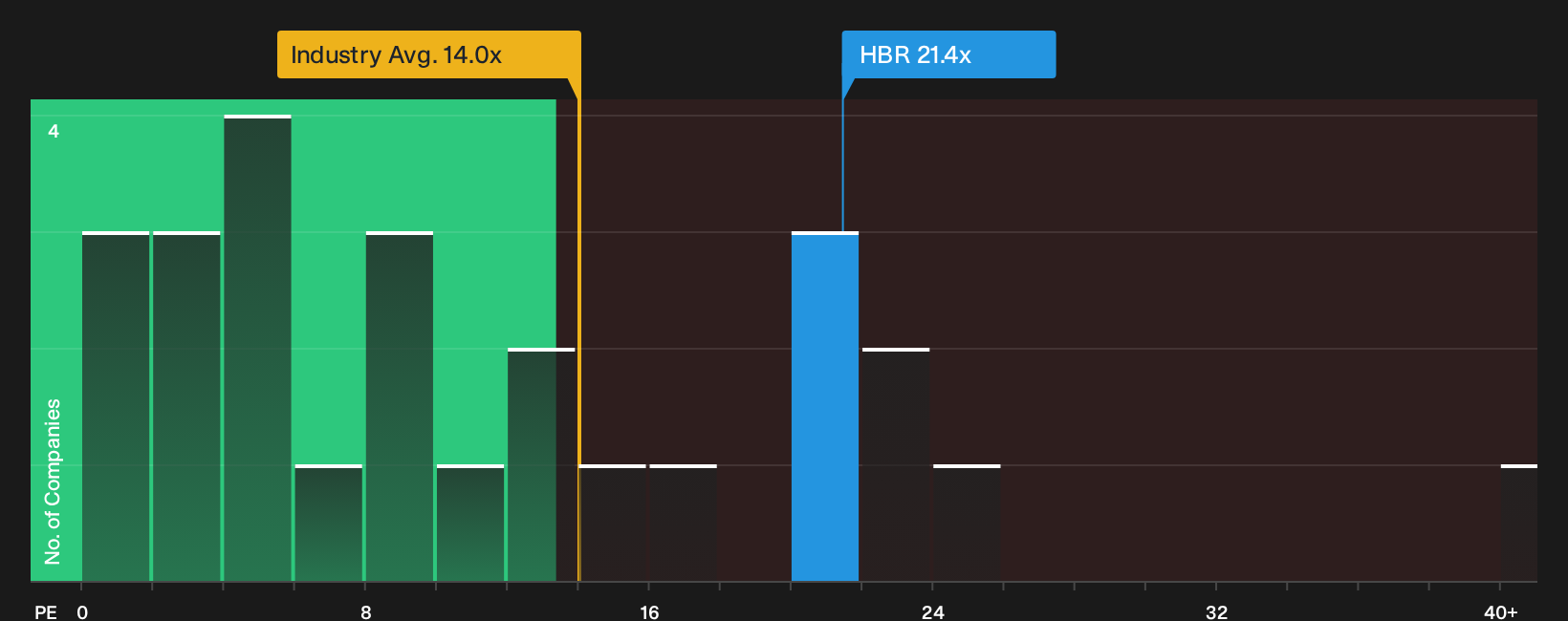
While our DCF model points to Harbour Energy trading at a discount to its future cash flow value of £8.14, the current £2.94 price equates to a P/E of 21.4x. That is higher than both the estimated fair ratio of 18.6x and the European Oil and Gas average of 14x, which suggests less margin for error if earnings disappoint.
If the market leans back toward that lower fair ratio, would you be comfortable with how much of today’s upside is already tied to optimistic profit expectations, or would you look for a wider valuation cushion elsewhere?
See what the numbers say about this price — find out in our valuation breakdown.
Next Steps
Sentiment around Harbour Energy is split, which is exactly why it helps to move quickly, test the numbers yourself and decide where you land. To see the full breakdown of both the concern points and the upside cases in one place, review the 3 key rewards and 2 important warning signs.
Looking for more Harbour Energy style ideas?
If Harbour Energy has sharpened your focus on portfolio quality, use the screeners below to uncover other opportunities before they move out of reach.
- Target dependable cash generators by reviewing a curated set of companies with resilient earnings and supportive valuations through 7 high quality undervalued stocks.
- Strengthen your income stream by assessing businesses that feature robust payouts using the focused collection of 4 dividend fortresses.
- Prioritise resilience and capital protection by scanning a hand picked universe of 4 resilient stocks with low risk scores.
This article by Simply Wall St is general in nature. We provide commentary based on historical data and analyst forecasts only using an unbiased methodology and our articles are not intended to be financial advice. It does not constitute a recommendation to buy or sell any stock, and does not take account of your objectives, or your financial situation. We aim to bring you long-term focused analysis driven by fundamental data. Note that our analysis may not factor in the latest price-sensitive company announcements or qualitative material. Simply Wall St has no position in any stocks mentioned.
Have feedback on this article? Concerned about the content? Get in touch with us directly. Alternatively, email editorial-team@simplywallst.com