
Insiders Sold EyePoint At US$15.75, Meanwhile Stock Sits Near US$2.99
EyePoint, Inc.'s (NASDAQ:EYPT) stock price has dropped 12% in the previous week, but insiders who sold US$410k in stock over the past year have had less luck. The average selling price of US$15.75 is still lower than the current share price, or in other words, insiders would have been better off holding on to their shares.
While we would never suggest that investors should base their decisions solely on what the directors of a company have been doing, logic dictates you should pay some attention to whether insiders are buying or selling shares.
The Last 12 Months Of Insider Transactions At EyePoint
In the last twelve months, the biggest single sale by an insider was when the Chief Medical Officer, Ramiro Ribeiro, sold US$227k worth of shares at a price of US$17.10 per share. While insider selling is a negative, to us, it is more negative if the shares are sold at a lower price. The good news is that this large sale was at well above current price of US$2.99. So it may not tell us anything about how insiders feel about the current share price.
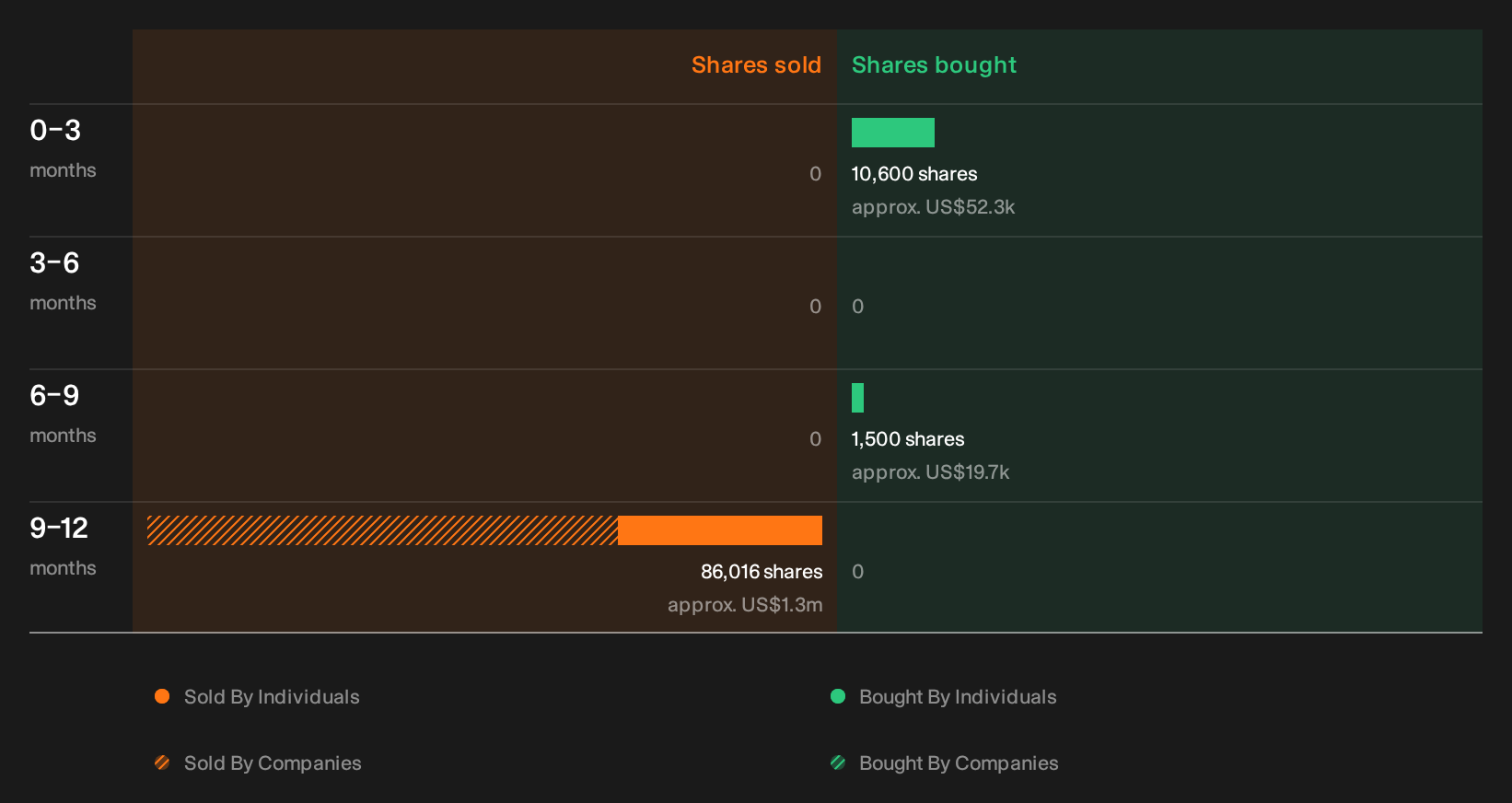
Over the last year, we can see that insiders have bought 12.10k shares worth US$72k. On the other hand they divested 26.02k shares, for US$410k. All up, insiders sold more shares in EyePoint than they bought, over the last year. They sold for an average price of about US$15.75. It is certainly not great to see that insiders have sold shares in the company. But we note that the selling, on average, was at well above the recently traded price of US$2.99. You can see a visual depiction of insider transactions (by companies and individuals) over the last 12 months, below. If you click on the chart, you can see all the individual transactions, including the share price, individual, and the date!
See our latest analysis for EyePoint
If you like to buy stocks that insiders are buying, rather than selling, then you might just love this free list of companies. (Hint: Most of them are flying under the radar).
EyePoint Insiders Bought Stock Recently
Over the last three months, we've seen significant insider buying at EyePoint. We can see that Independent Director Karen Zaderej paid US$52k for shares in the company. No-one sold. This makes one think the business has some good points.
Insider Ownership
I like to look at how many shares insiders own in a company, to help inform my view of how aligned they are with insiders. A high insider ownership often makes company leadership more mindful of shareholder interests. Our data suggests EyePoint insiders own 0.9% of the company, worth about US$2.6m. We consider this fairly low insider ownership.
So What Does This Data Suggest About EyePoint Insiders?
It is good to see the recent insider purchase. But we can't say the same for the transactions over the last 12 months. Neither the level of insider ownership, nor the transactions over the last twelve months inspire us, but we think the recent buying is positive. So while it's helpful to know what insiders are doing in terms of buying or selling, it's also helpful to know the risks that a particular company is facing. Every company has risks, and we've spotted 4 warning signs for EyePoint (of which 2 are significant!) you should know about.
Of course EyePoint may not be the best stock to buy. So you may wish to see this free collection of high quality companies.
For the purposes of this article, insiders are those individuals who report their transactions to the relevant regulatory body. We currently account for open market transactions and private dispositions of direct interests only, but not derivative transactions or indirect interests.
Have feedback on this article? Concerned about the content? Get in touch with us directly. Alternatively, email editorial-team (at) simplywallst.com.
This article by Simply Wall St is general in nature. We provide commentary based on historical data and analyst forecasts only using an unbiased methodology and our articles are not intended to be financial advice. It does not constitute a recommendation to buy or sell any stock, and does not take account of your objectives, or your financial situation. We aim to bring you long-term focused analysis driven by fundamental data. Note that our analysis may not factor in the latest price-sensitive company announcements or qualitative material. Simply Wall St has no position in any stocks mentioned.