
What Comes Next For Jumbo Interactive After A 51% Slide
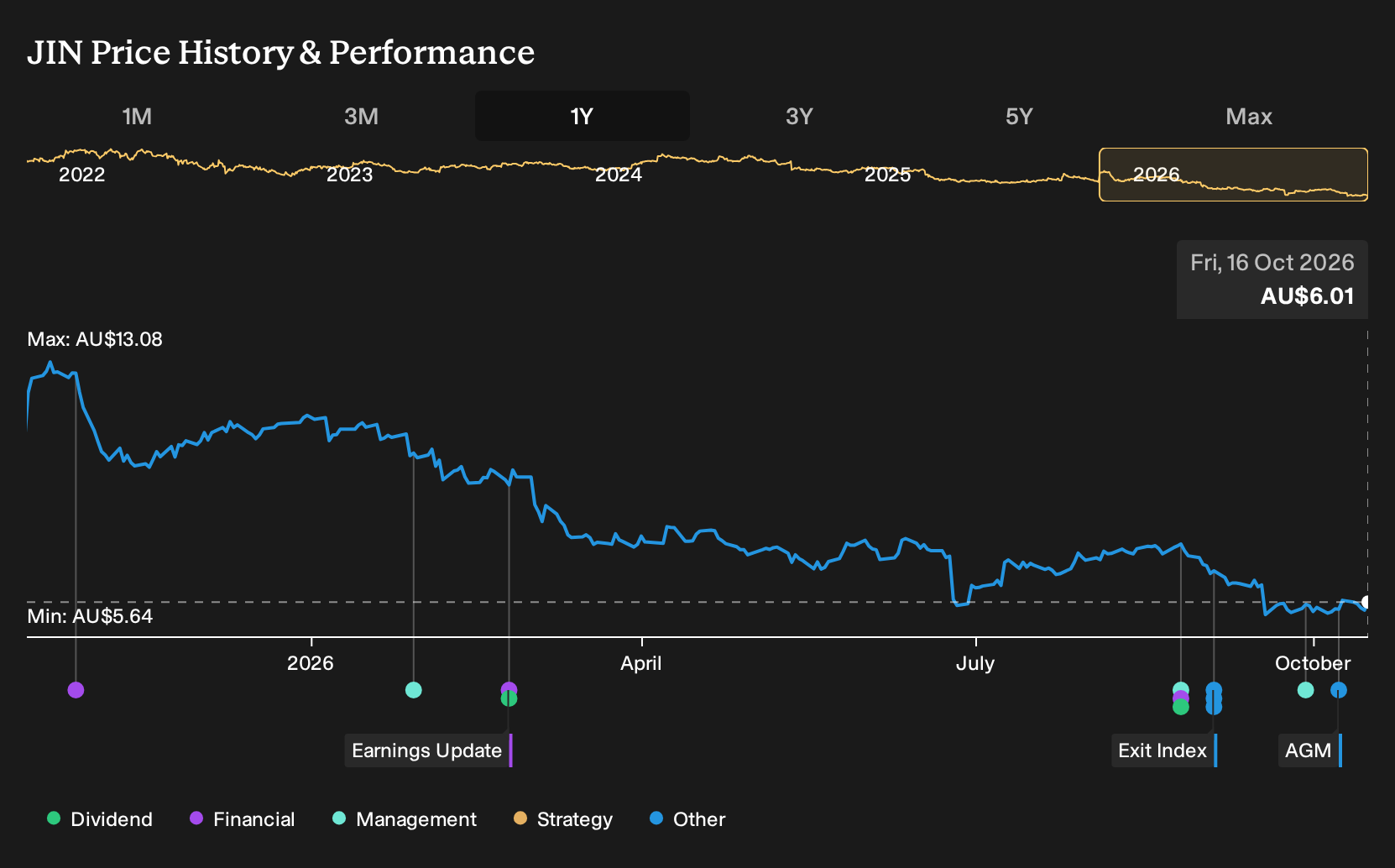
If you backed Jumbo Interactive for its digital lottery growth story, the past year has been brutal. Investors who held Jumbo Interactive over the past year are down 50.7%, including dividends. If you had put money in on 16 October 2025, that outcome would probably feel wildly out of step with bullish talk about AI marketing, higher player lifetime value, and growing SaaS earnings. Which of those specific expectations proved too optimistic, and which simply need more time?
On Simply Wall St, a Narrative is an investor's thesis written down: the reasoning, plus the numbers it rests on. Run those numbers and you get an estimated Fair Value.
Jumbo Interactive has already moved. See which of 4 high quality undervalued stocks still trade below our estimates.
The Two Jumbo Interactive Stories Investors Had To Weigh
The shares cost A$12.17 at the start of the period, and Jumbo Interactive sat between two sharply different stories about its future.
The bullish narrative saw Fair Value at A$14.60, assuming AI driven marketing and programs like Daily Winners would lift player lifetime value, margins, and international SaaS and Managed Services earnings.
The bearish view put Fair Value at A$11.00, warning that tighter regulation, ageing lottery customers, and lotteries bringing ticket sales in-house could pressure growth and margins.
What The Results Changed For Jumbo Interactive
The clearest new fact was Jumbo Interactive lifting FY26 EBITDA guidance to A$82 million to A$85 million, which backed parts of the bullish story on international SaaS and Managed Services. Reported H2 2026 revenue of A$108.21 million versus A$78.519 million in H2 2025 supported that, while net income slipped to A$19.11 million and margin fell to 17.7%, so profitability progress stayed unproven. Overall, the evidence cut both ways.
The key lesson is simple. When a growth story leans on higher customer value and richer software economics, track EBITDA guidance against net margin and cash profit rather than just top line upgrades.
What Jumbo Interactive’s Lower Price Asks You To Believe
Jumbo Interactive now trades at A$6.01, and the selected Narrative sees Fair Value above that level based on how earnings mix and platform economics might evolve from here.
The argument leans on online lottery migration, Dream U.S., and the RSL Queensland rollout. A buyer today would need to believe those pieces really can rebalance earnings away from Australian jackpot cycles.
"The main thing that has to go right is that Jumbo Interactive successfully scales its international Dream and Managed Services businesses, including new programs such as the RSL Queensland rollout, so that earnings become less dependent on Australian jackpot cycles."
That disagreement has a full argument behind it. → Uncover the higher Fair Value this Narrative argues for
Which Company Could Surprise You Next?
Passing on this one could have spared you a loss. Where might you find the opposite surprise? Start looking for companies whose prices leave room for a better outcome than investors expect. These three trade below our estimated value.
- Company 1 - 29% below our estimate - sells commercial vehicle parts and services that keep fleets running longer between major overhauls.
- Company 2 - 48% below our estimate - wires together integrated audio, electrical and data systems for complex venues needing one accountable contractor.
- Company 3 - 31% below our estimate - connects shoppers to a wide mix of electronics and appliances through physical stores and online channels.
Three companies from the same screener. Open every one of the 12 solid balance sheet companies →
This article by Simply Wall St is general in nature. We provide commentary based on historical data and analyst forecasts only using an unbiased methodology and our articles are not intended to be financial advice. It does not constitute a recommendation to buy or sell any stock, and does not take account of your objectives, or your financial situation. We aim to bring you long-term focused analysis driven by fundamental data. Note that our analysis may not factor in the latest price-sensitive company announcements or qualitative material. Simply Wall St has no position in any stocks mentioned.
Have feedback on this article? Concerned about the content? Get in touch with us directly. Alternatively, email editorial-team@simplywallst.com