
How Investors Are Reacting To Stanley Black And Decker (SWK) Tool Tracking Network Launch
- Stanley Black & Decker’s DEWALT brand has launched the Tool Connect Partner Network, linking with Geotab, Trackunit, and BoxLock to extend asset tracking coverage across jobsites, fleets, and secured storage without new hardware for existing users.
- This push into connected jobsite tracking suggests Stanley Black & Decker is leaning further into digital tools and data-driven workflows that can deepen customer stickiness and expand recurring service opportunities.
- We will now assess how this DEWALT Tool Connect Partner Network move could reshape Stanley Black & Decker's broader investment narrative.
Scan beyond Stanley Black & Decker and spot other construction tech players using connected tools and data driven workflows with the curated 87 robotics and automation stocks in our screener.
Stanley Black & Decker Investment Narrative Recap
For an investor to stay with Stanley Black & Decker, the core belief is that a slower growing tools business can still compound value through better margins, recurring revenue and disciplined capital use. The DEWALT Tool Connect Partner Network fits that idea. It leans into connected workflows that can support higher value services without needing big new hardware rollouts for existing users.
The key near term swing factor remains execution on supply chain and cost programs while managing exposure to soft DIY and Outdoor demand. Connected jobsite data does not directly fix pricing power, tariff pressure or high debt. If adoption is slow or customers resist paid services, the biggest risk stays concentrated in volume and margin pressure.
The recent presence at the 2026 North American Marketing Leadership Summit underlines how much Stanley Black & Decker is leaning into brand, content and channel influence. That matters because the firm is heavily tied to major retailers, where shelf space, merchandising and pro loyalty programs can make the difference between flat volumes and healthier mix.
Marketing firepower only pays off if it feeds into the real operational catalysts investors already watch. Those include progress on supply chain transformation, take up of higher margin connected offerings such as Tool Connect and the push toward more stable, recurring service revenue. If that commercial machine misfires, tariff costs, slower revenue growth and high leverage become harder for shareholders to look through.
Stanley Black & Decker’s current analyst story points to US$16.4b in revenue and US$1.1b in earnings by 2029, based on 2.5% yearly revenue growth and an earnings increase of about US$479.5m from the US$620.5m reported today.
Uncover why Stanley Black & Decker's fair value indicates a 10% potential upside to its current price, which could narrow quickly.
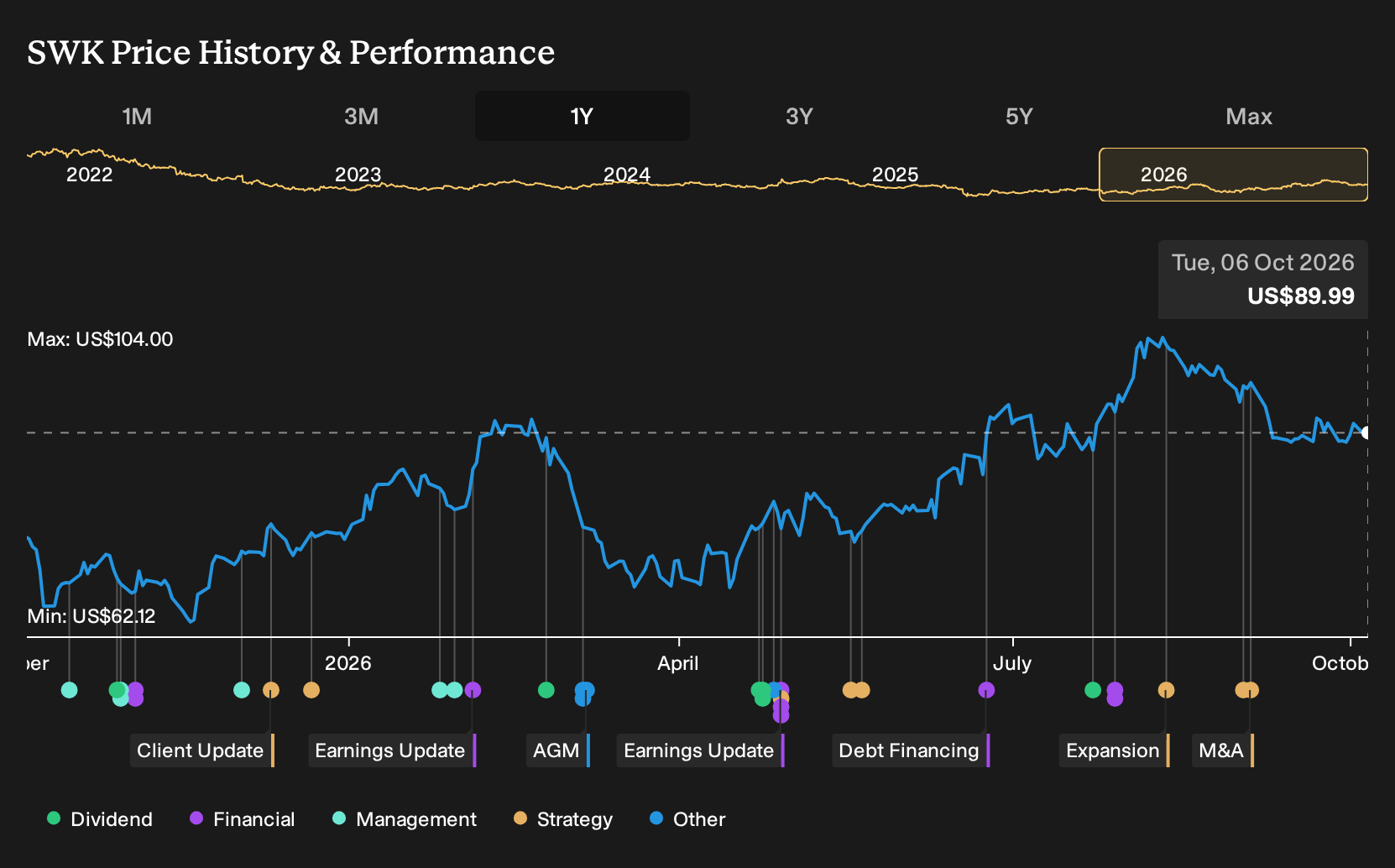
Exploring Other Perspectives
One optimistic twist on the Stanley Black & Decker story is that some analysts already saw connected tools as the real earnings engine. The most bullish group was penciling in revenue of about US$17.0b and earnings near US$1.3b by 2029. Those views came before this Tool Connect Partner Network news. As a result, readers may want to reassess how their thesis could shift.
Explore 3 other Stanley Black & Decker fair value estimates, including one that suggests there may be as much as 12% upside from the current price.
Form Your Own Verdict
Disagree with existing narratives? Extraordinary investment returns rarely come from following the herd, so trust your own research and judgment.
- A great starting point for your Stanley Black & Decker research is our analysis highlighting 5 key rewards and 1 important warning sign that could impact your investment decision.
- See our latest analysis for Stanley Black & Decker. The report includes a comprehensive fundamental analysis summarized in a single visual, the Snowflake, making it easy to evaluate Stanley Black & Decker's overall financial health at a glance.
Looking For More Investment Ideas Beyond Stanley Black & Decker?
If the Stanley Black & Decker story has you thinking about where else disciplined execution, balance sheet strength or income potential might show up, the Simply Wall St Screener is a useful next stop to widen your watchlist.
- For investors hunting for stability first and upside second, the 31 resilient stocks with low risk scores can surface companies that may better fit a capital preservation mindset.
- If income is your priority, use the 8 dividend fortresses to focus on businesses that currently pair higher yields with more durable payout profiles.
- When you want to get ahead of the crowd, the 19 high quality undiscovered gems can help you spot lesser known stocks with solid underlying fundamentals before they hit every headline.
This article by Simply Wall St is general in nature. We provide commentary based on historical data and analyst forecasts only using an unbiased methodology and our articles are not intended to be financial advice. It does not constitute a recommendation to buy or sell any stock, and does not take account of your objectives, or your financial situation. We aim to bring you long-term focused analysis driven by fundamental data. Note that our analysis may not factor in the latest price-sensitive company announcements or qualitative material. Simply Wall St has no position in any stocks mentioned.
Have feedback on this article? Concerned about the content? Get in touch with us directly. Alternatively, email editorial-team@simplywallst.com