
3 Robotaxi Stocks Retail Investors Are Screening After Tesla Cybercab Headlines
Robotaxis have shifted from sci fi idea to real stress test, with Tesla’s Cybercab rollout in Austin exposing both the promise and growing pains of driverless services. That kind of friction often creates an information gap, and investors who close it early sometimes spot opportunities others ignore. This piece explains how the latest robotaxi headlines relate to 3 stocks connected to the same autonomy story, and discusses why they may merit a closer look at this time.
The stocks highlighted below are only a sample of what the autonomy theme touches, and a broader screen flags 19 more businesses with similarly interesting robotaxi and self driving angles that are not covered here.
If you want to move beyond headlines and start lining up your own highest conviction ideas around autonomous vehicles, head straight to the Autonomous Vehicle & Robotaxi Platforms screener to identify, filter and analyze candidates that match your preferred mix of size, risk profile and autonomy exposure.
DiDi Global (DIDI.Y)
DiDi Global runs a large ride hailing and mobility platform across China, Latin America and other markets, and its scale makes it a natural candidate to plug future autonomous or robotaxi services into an existing user base. Most revenue comes from China Mobility at about CN¥210.5b, with International at roughly CN¥18.0b and Other Initiatives near CN¥9.8b, and the group is valued around US$16.3b.
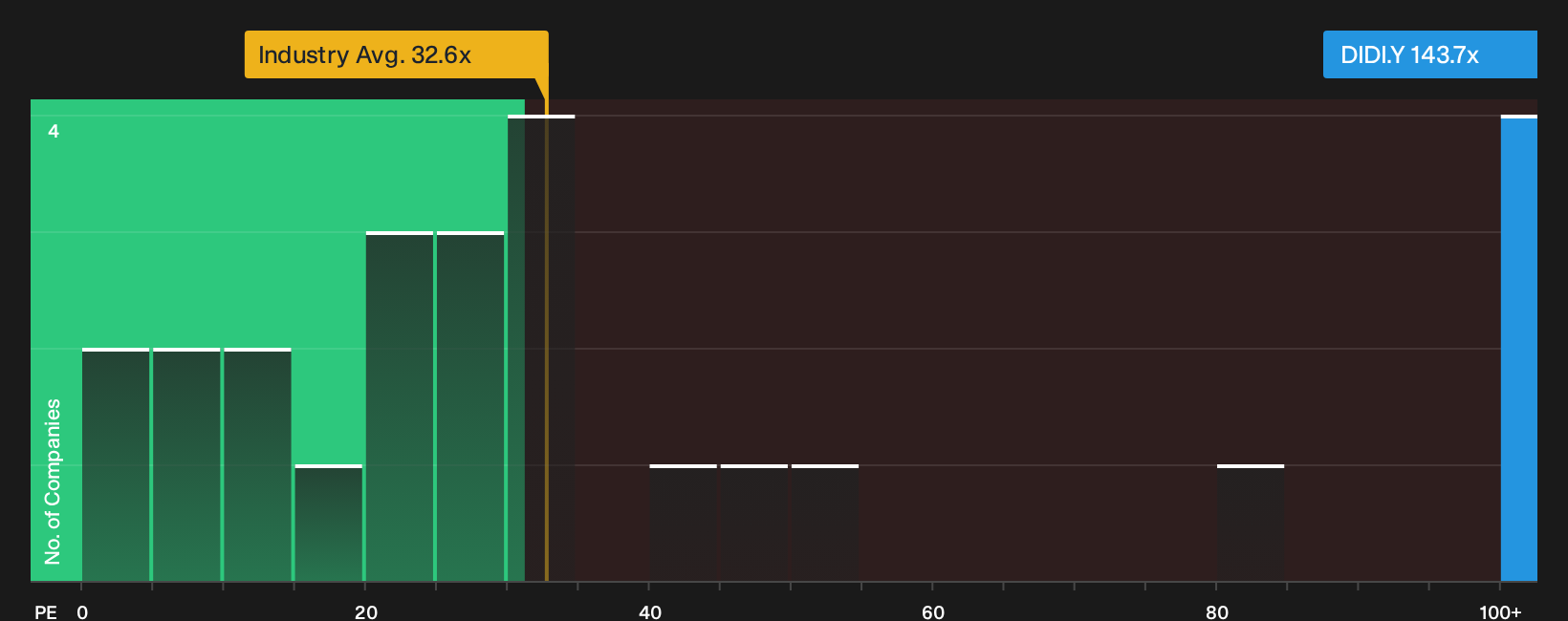
DiDi Global already aggregates huge ride volumes and operates an autonomous driving arm, which fits the screener’s focus on platforms that could host future robotaxi fleets. A profitable year and strong earnings forecasts give it firepower to keep funding autonomy work. However, what happens when a high P/E meets execution risk on driverless rollout will matter for long term upside.
That execution question makes the 3 key rewards and 1 important warning sign work hard for you by showing where DiDi Global’s autonomy upside could be overestimated or underappreciated.
Pony AI (PONY)
Pony AI is built around autonomous driving itself, with robotaxis, robotrucks and intelligent driving software all tied directly to the same autonomy theme investors are screening for. This makes it one of the cleaner ways to focus on commercial driverless mobility.
Pony AI generates about US$125 million from Software & Programming tied to its autonomous mobility platform and has a US$2.7b market cap. This gives investors focused exposure to robotaxis, robotrucks and related autonomy software rather than a diversified auto or tech mix.
Scaling of robotaxi fleets in China’s Tier 1 cities and new domestic markets such as Changsha, Hangzhou and additional Greater Bay Area cities is expected to deepen exposure to high value urban mobility demand and support higher aggregate revenue as paid orders build on a growing installed base.
The real swing factor is how one hard to see cost lever in Pony AI’s robotaxi model affects eventual margins once those fleets mature.
That cost lever is exactly where the full narrative for Pony AI shows how Pony AI’s scaling curve, capital needs and pricing power could be quietly decoupling from headline robotaxi stories.

XPeng (XPEV)
XPeng leans straight into the Autonomous Vehicle & Robotaxi Platforms theme, building smart EVs, robotaxis and humanoid robots off its Physical AI stack while generating about CN¥75.4b from vehicle sales and related business and carrying an equity value near US$9.0b.
For investors tracking how autonomy hardware and software could reshape vehicle economics, XPeng offers a direct line into that thesis without relying on pure-play robotaxi operators.
XPeng's rapid in-house development and deployment of proprietary AI hardware (Turing AI SoC) and vision-based ADAS are expected to significantly advance its vehicle autonomy and smart cockpit solutions, aligning with surging consumer demand for intelligent, software-centric vehicles.
What happens to margins if one tightly controlled piece of this hardware plus software rollout takes longer or costs more than the market currently assumes?
If that hidden execution risk is on your mind, read the full narrative for XPeng to see where XPeng’s autonomy push could be accelerating or quietly stalling.

Seeking Alternatives Before The Crowd?
Fresh opportunities do not stay quiet for long. Breakout momentum often flies once early buyers get in. Scan these curated lists while it matters and act now.
- Spot income workhorses with staying power by reviewing the 7 dividend fortresses and see which businesses currently combine substantial payouts with robust balance sheets.
- Track where AI momentum is quietly building by running through the 37 profitable AI stocks that aren't just burning cash and focus on enterprises already turning artificial intelligence into real earnings.
- Position ahead of the next grid upgrade cycle by checking the 40 power grid technology and infrastructure stocks and focus on operators tied directly to growing electricity infrastructure demand.
This article by Simply Wall St is general in nature. We provide commentary based on historical data and analyst forecasts only using an unbiased methodology and our articles are not intended to be financial advice. It does not constitute a recommendation to buy or sell any stock, and does not take account of your objectives, or your financial situation. We aim to bring you long-term focused analysis driven by fundamental data. Note that our analysis may not factor in the latest price-sensitive company announcements or qualitative material. Simply Wall St has no position in any stocks mentioned.
Have feedback on this article? Concerned about the content? Get in touch with us directly. Alternatively, email editorial-team@simplywallst.com