
3 Emerging Canadian Potash Mining Stocks In Good Financial Standing
Higher food prices in many countries are keeping inflation risks elevated into late 2026, which keeps global food security firmly on the radar for policymakers and investors. That backdrop draws attention to Canadian potash producers, since potash is a key input for crop yields. Debt-free Canadian potash stocks combine hard-asset exposure with cleaner balance sheets. This article highlights 3 of the strongest candidates from the Debt-Free Canadian Potash Companies screener.
The three stocks below are a starting snapshot from the Debt-Free Canadian Potash Companies investing idea. The full screen surfaced 5 more producers with equally compelling risk and reward stories that are not covered here.
If you want to identify which tickers best fit your own risk tolerance and timeframe, go straight to the Debt-Free Canadian Potash Companies screener to filter, analyze, and focus on the highest conviction opportunities.
Buffalo Potash (TSXV:BUFF)
Buffalo Potash is a Saskatoon-based explorer focused on the Disley potash project in southern Saskatchewan, a 10,610 hectare subsurface permit that anchors its link to Canadian potash and food security themes. The business is pre revenue and has a market value of about CA$89 million.
Buffalo Potash provides direct exposure to Canadian potash through the Disley project, with modular plans aimed at generating cash flow while limiting the use of debt. Progress on bringing the initial production module into operation could be a key factor in determining the potential the project may support.
That makes it worth seeing how the Disley economics stack up through the analysis report for Buffalo Potash before Buffalo Potash gets the attention of keen investors.
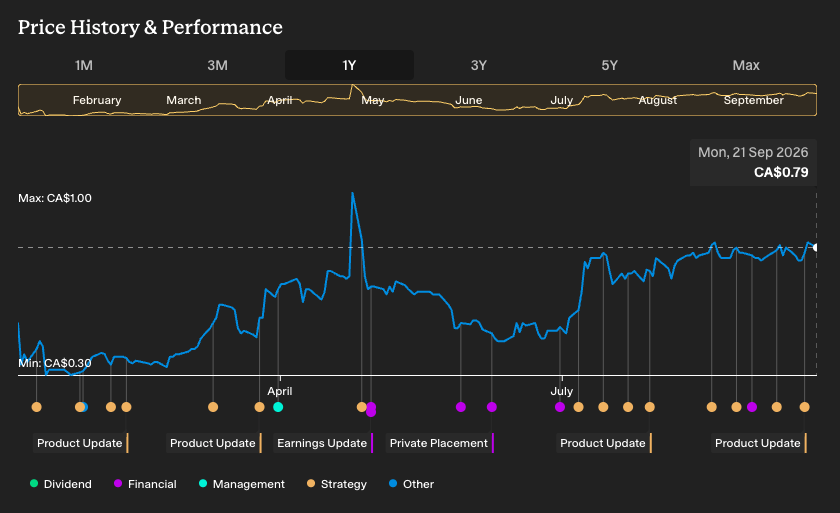
TSXV:BUFF 1-Year Stock Price Chart
Silver Valley Metals (TSXV:SILV)
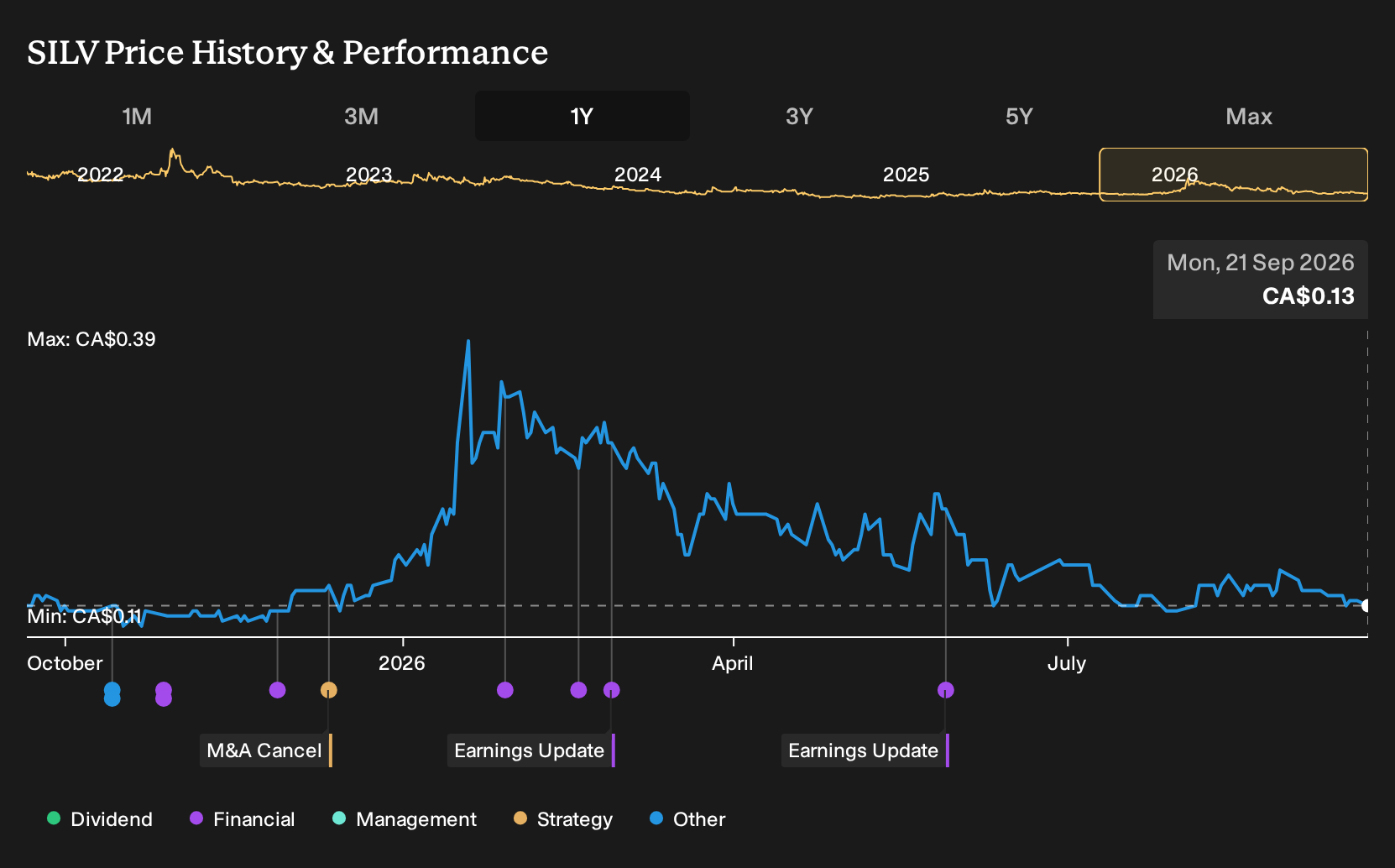
Silver Valley Metals is a Canadian exploration company focused on silver, base metals, lithium, and sulphate of potash, with the Mexi-Can Project in Mexico giving it direct exposure to the potash theme. As an exploration-stage business with no disclosed revenue, it is still pre-production and carries a small market value of about CA$4.9 million.
For investors who want exposure to potash without balance sheet leverage, Silver Valley Metals offers a focused sulphate of potash exploration story at Mexi-Can, but at an early, higher-risk stage. A key consideration is how future cost pressures may influence eventual project economics and pricing power.
Those future cost swings make it worth seeing the analysis report for Silver Valley Metals before you decide how much early stage risk belongs in your potash exposure.
American Critical Minerals (CNSX:KCLI)
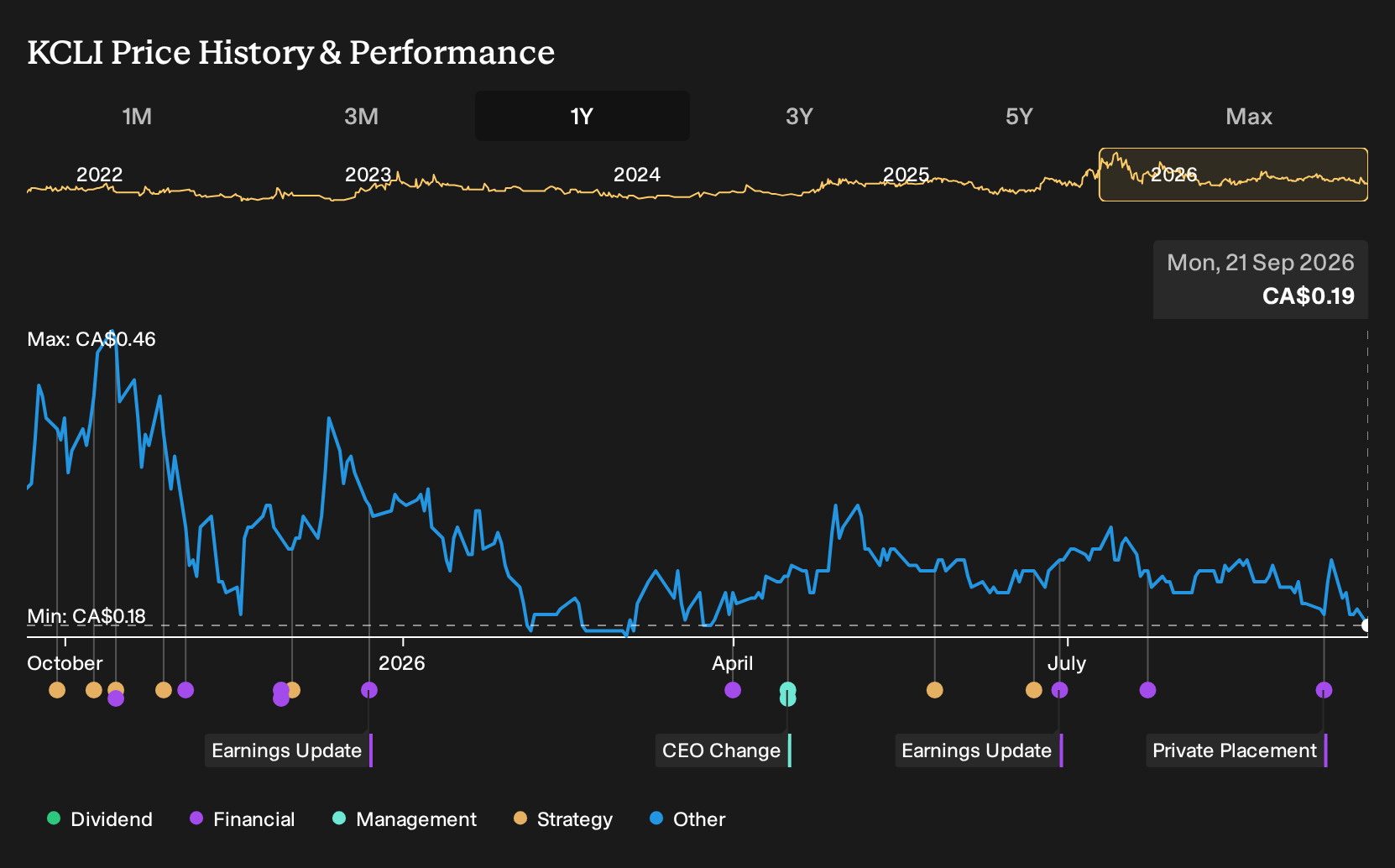
American Critical Minerals is a Vancouver-based explorer focused on US potash, lithium brine, and bromine. Its 100%-owned Green River Potash and Lithium Project in Utah ties it directly to the food security theme. The stock is early stage with a market value of about CA$21 million.
American Critical Minerals provides pure exploration exposure to a large US potash target without balance sheet debt. This aligns with the screener’s focus on clean financing but also highlights execution risk. Progress at Green River, coupled with equity-funded drilling, could reshape expectations depending on how one unseen pressure plays out.
That unseen pressure is exactly what the analysis report for American Critical Minerals unpacks so you can judge whether American Critical Minerals is quietly setting up for a bigger move.
Seeking Alternatives Before The Crowd
Fresh ideas move first. The early breakouts, quiet momentum shifts, and stories flying under the radar for now usually get caught late. Scan these while it matters and consider your options promptly.
- Spot resilient balance sheets before they become crowded trades by scanning the curated list of solid balance sheet and fundamentals (7 results) that filters for quality fundamentals and cleaner financing.
- Track developments in uranium and reactor build - out momentum by following the curated 19 nuclear energy infrastructure stocks focused on power infrastructure plays tied to nuclear themes.
- Monitor the renewable metals conversation by using the hand - picked 36 best rare earth metal stocks that highlights producers tied to critical materials demand.
Disclaimer
This article was written independently by the author, without issuer input or approval. Buffalo Potash Corp. has a marketing services agreement with Simply Wall St. Details on compensation and other important information can be found in the disclosure and disclaimer at the end of this narrative .
Have feedback on this article? Concerned about the content? Get in touch with us directly. Alternatively, email editorial-team@simplywallst.com
Simply Wall St analyst Andrew Legget and Simply Wall St have no position in any of the companies mentioned. This article is general in nature. We provide commentary based on historical data and analyst forecasts only using an unbiased methodology and our articles are not intended to be financial advice. It does not constitute a recommendation to buy or sell any stock and does not take account of your objectives, or your financial situation. We aim to bring you long-term focused analysis driven by fundamental data. Note that our analysis may not factor in the latest price-sensitive company announcements or qualitative material.