
3 Stocks to Watch If PC CPU Recovery Is Real
Intel’s 12% surge has thrown a spotlight on PC and CPU recovery hopes, and investors are suddenly paying closer attention to which stocks might actually be exposed to this story rather than just cheering the headline. Momentum like this can leave careful investors watching from the sidelines while capital chases the early winners. This piece walks through 3 stocks tied to the same news pulse and helps you identify which may warrant a closer look.
The stocks covered below are just a starting sample, and the full screen surfaced 102 more PC CPU and client computing companies with equally compelling narratives that are not discussed in this article.
Head straight into the PC CPU & Client Computing Recovery Plays screener to identify, analyze, and focus on the recovery plays that best fit your conviction and risk tolerance.
Giga-Byte Technology (TWSE:2376)
Overview: Giga-Byte Technology is a global PC hardware producer focused on motherboards, graphics cards, laptops and desktops that track CPU upgrade cycles.
Operations: The business generates almost all revenue from its Brand Business Division, which produced about NT$417.0b, with only NT$1.2b from Other Business Group activities.
Market Cap: NT$246.5b
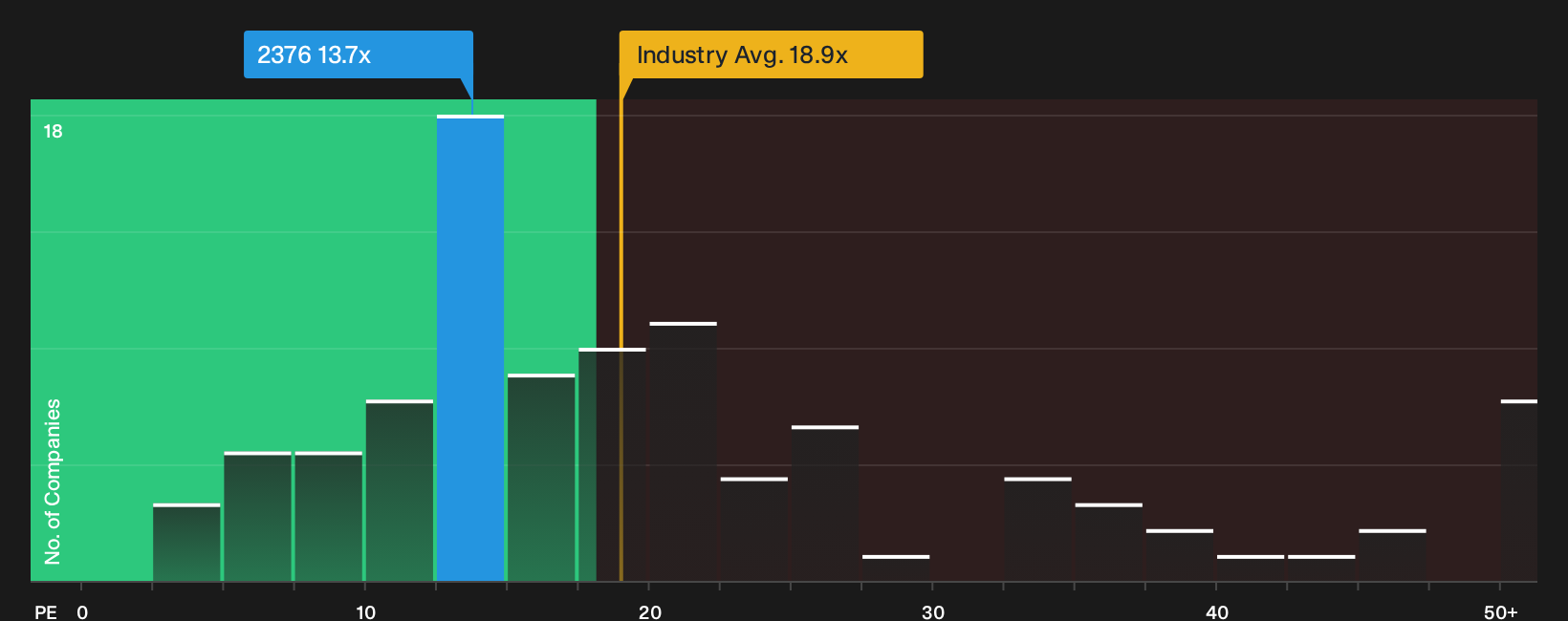
Giga-Byte Technology provides direct exposure to PC and gaming refresh demand, from motherboards and GPUs through to full notebooks and desktops. Earnings and revenue forecasts are above the broader Taiwan tech sector, while the stock trades on a lower P/E than many peers. Margins and pricing power remain sensitive to how one unseen pressure in the next CPU upgrade wave plays out.
That pricing pressure is exactly what you need to stress test in your own numbers. Start with the 5 key rewards and 3 important warning signs (2 are major!) to see what might be getting mispriced.
Lenovo Group (SEHK:992)
Overview: Lenovo Group is a global PC and device manufacturer, selling desktops, laptops, workstations and related hardware that closely follow CPU and client computing refresh cycles.
Operations: Most revenue comes from the Intelligent Devices Group at about US$62.6b, with ISG at US$23.4b and SSG at US$10.7b.
Market Cap: HK$443.3b
Lenovo Group sits in the flow of any PC and client CPU rebound, because it ships the actual notebooks, desktops and workstations that consume those chips. Its newer AI-focused infrastructure business links that same demand story into data center budgets.
"Lenovo’s most important alliance is with NVIDIA, forming the backbone of its AI infrastructure and hybrid AI strategy."
What really moves the needle for Lenovo now is how one quiet shift in PC and AI device buying patterns feeds through to margins.
That shift is exactly where the story gets interesting. The full narrative for Lenovo Group shows how Lenovo Group’s alliances and PC demand could be decoupling from old cycle patterns.

Sandisk (SNDK)
Overview: Sandisk Corporation develops and sells NAND flash storage products, including SSDs for desktop and notebook PCs and other connected devices.
Operations: Sandisk generates about US$20.2b from data storage devices and solutions, with key markets including China, Hong Kong, Rest of Asia and the United States.
Market Cap: US$262.4b
For a PC CPU and client computing recovery angle, Sandisk matters because every CPU refresh needs somewhere to store growing data and applications.
"Accelerating AI infrastructure and data center build-outs are driving rapid enterprise SSD adoption, positioning Sandisk to outgrow a data center market where exabyte demand is expected to rise from the high 300s in 2026."
For investors, what happens to one deeply embedded assumption about long term NAND pricing could be the swing factor for future margins.
That long term NAND assumption is where the full narrative for Sandisk pulls everything together and shows how Sandisk’s storage engine could turn that pricing risk into accelerating opportunity.

Curious About Fresh Alternatives Next?
Some of the most interesting breakout stories stay under the radar for now while momentum is still building. Scan these fresh idea lists before the crowd comes flying in and act now.
- Spot durable balance sheets and steady cash engines early by reviewing the curated list of solid balance sheet and fundamentals (198 results) before the best entries get caught by fast money.
- Track where real AI revenues already support the story by checking the hand picked 38 profitable AI stocks that aren't just burning cash while expectations are still dropping on weak, cash burning peers.
- Position ahead of potential metal supply squeezes by assessing the focused 36 best rare earth metal stocks while it still matters for long term pricing power.
This article by Simply Wall St is general in nature. We provide commentary based on historical data and analyst forecasts only using an unbiased methodology and our articles are not intended to be financial advice. It does not constitute a recommendation to buy or sell any stock, and does not take account of your objectives, or your financial situation. We aim to bring you long-term focused analysis driven by fundamental data. Note that our analysis may not factor in the latest price-sensitive company announcements or qualitative material. Simply Wall St has no position in any stocks mentioned.
Have feedback on this article? Concerned about the content? Get in touch with us directly. Alternatively, email editorial-team@simplywallst.com