
Capital Southwest (CSWC) Sells New Notes, Is The Stock Still A Bargain?
Capital Southwest (CSWC) just tapped the bond market with US$350 million of 6.750% senior unsecured notes due 2031, giving investors fresh information on how the lender is funding its balance sheet.
Recent moves in Capital Southwest’s shares have cooled, with the 30-day share price return down 4.06%, even though the 90-day gain is 4.51% and the 1-year total shareholder return of 17.13% points to momentum that has built over a longer stretch.
Scan how Capital Southwest’s new 6.750% notes compare with peers tapping credit markets, and see which lenders screen strongly on funding strength using list of solid balance sheet and fundamentals (22 results)
Capital Southwest has cooled after a strong year, yet the shares still trade below both analyst targets and one estimate of intrinsic value. Is more of the upside still ahead or already in the rear-view mirror as you think about valuation next?
Most Popular Narrative: 4.1% Undervalued
On the latest estimate, Capital Southwest is priced below a narrative fair value of $24.90 compared with a last close of $23.87. This frames the valuation debate around whether the current discount reflects opportunity or risk.
Recent approval of the second SBIC license and expanded credit facility provide low-cost, flexible capital, enabling disciplined portfolio expansion and scale benefits that should enhance earnings and net margins.
See why 34 investors see Capital Southwest as 4% undervalued.
Result: Fair Value of $24.90 (UNDERVALUED)
Still, the narrative can crack if tight loan pricing continues to compress yields or if ongoing equity issuance through the ATM program weighs on per share earnings power.
Find out about the key risks to this Capital Southwest narrative.
Another View: Capital Southwest Through Earnings Multiples
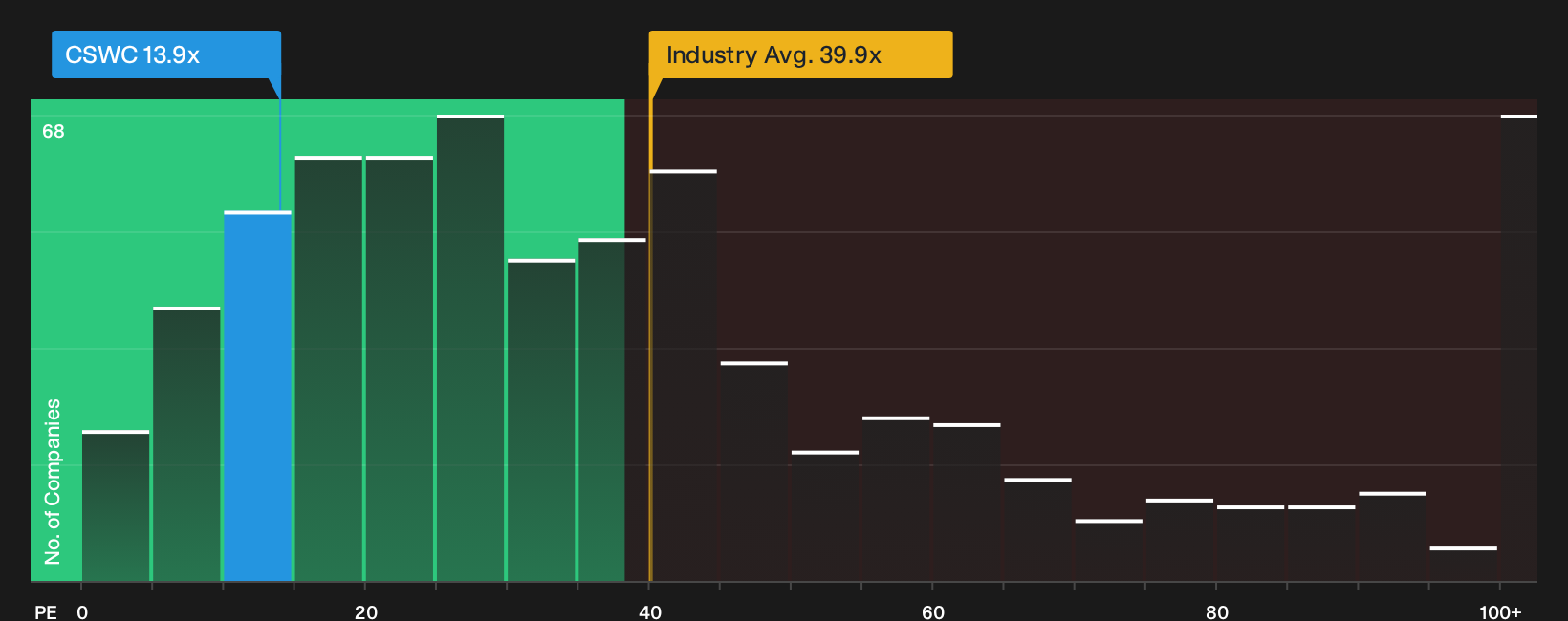
Our DCF work indicates that Capital Southwest is trading about 19.2% below an estimated future cash flow value of $29.55, which points to an undervalued setup. The P/E picture is more cautious. The stock changes hands at 13.9x earnings versus a fair ratio of 13x, and against a much higher 39.6x industry average and an 11.8x peer group figure.
That mix suggests less margin of safety on simple earnings terms than the DCF implies, even though Capital Southwest screens as cheaper than the broader US Capital Markets group. For an investor weighing opportunity against the risk of multiple compression, the key question is which valuation lens appears more convincing for the next leg of the story.
See what the numbers say about this price — find out in our valuation breakdown.
Next Steps
Plenty in this Capital Southwest story can look either encouraging or worrying depending on your lens, so review the numbers yourself, weigh both sides quickly, and then use 3 key rewards and 3 important warning signs.
Looking For More Ideas Beyond Capital Southwest?
If Capital Southwest has sharpened your thinking on value and risk, do not stop here. Broader idea hunting can widen your opportunity set and your perspective.
- Target reliable cash flows by scanning higher-yielding candidates that look built to keep paying through 6 dividend fortresses.
- Hunt for mispriced quality where fundamentals and pricing still look out of sync using 34 high quality undervalued stocks.
- Cut portfolio stress by focusing on businesses that score well for resilience through the 11 resilient stocks with low risk scores.
This article by Simply Wall St is general in nature. We provide commentary based on historical data and analyst forecasts only using an unbiased methodology and our articles are not intended to be financial advice. It does not constitute a recommendation to buy or sell any stock, and does not take account of your objectives, or your financial situation. We aim to bring you long-term focused analysis driven by fundamental data. Note that our analysis may not factor in the latest price-sensitive company announcements or qualitative material. Simply Wall St has no position in any stocks mentioned.
Have feedback on this article? Concerned about the content? Get in touch with us directly. Alternatively, email editorial-team@simplywallst.com