
Does HMAX AI Expansion Change The Bull Case For Hitachi Stock (TSE:6501)?
- Hitachi expanded its HMAX suite in early September 2026, adding AI-driven offerings for data centers, cyber resilience, data fabric, and operations. These were framed around Physical AI and showcased at the Hitachi Social Innovation Forum 2026 JAPAN in Tokyo.
- The HMAX expansion brings Hitachi’s facility operations know-how, cyber defense experience, and field engineers into one integrated AI toolkit. This directly targets real-world pain points like data center sustainability, 24/7 security operations, and the transfer of tacit expertise into usable data assets.
- We will now look at how Hitachi's broader investment narrative could shift as HMAX Physical AI moves deeper into social infrastructure.
Scan how Hitachi's Physical AI push fits into a wider backbone for digital infrastructure by lining it up against 60 AI infrastructure stocks that are also building and securing the data center future.
Hitachi Investment Narrative Recap
To own Hitachi, you need to be comfortable with a broad industrial group that leans heavily on digital systems, grid equipment, and mobility projects, while still dragging some weaker units behind it. The short term swing factor remains execution in higher margin digital and energy offerings versus rising project costs and pricing pressure in more commoditised hardware.
The biggest operational risk still sits in areas like overseas IT hardware, China elevators, and capital heavy power grid projects where returns might lag spending. The HMAX Physical AI update looks important for the long term digital story but does not radically change those near term drivers or risks on its own.
The most relevant piece of news for those catalysts is HMAX Data Center. It brings facility operations expertise, cyber services, and AI operations into one portfolio aimed at autonomous data center management. This ties directly into Hitachi’s push to grow higher margin digital services linked to physical infrastructure.
For you as a shareholder, the question is execution. If HMAX Data Center and related suites see solid adoption, they could support more recurring IT and operational contracts that complement existing Lumada projects. If uptake stalls or competition in storage and midrange IT hardware tightens further, the earnings and margin improvement that analysts model could be harder to sustain.
Hitachi's current analyst storyline assumes revenue of ¥13,153.8b and earnings of ¥1,230.5b by 2029. That path is based on 6.0% yearly revenue growth and an earnings increase of about ¥430.9b from current earnings of ¥799.6b.
Uncover why Hitachi's fair value indicates a 16% potential upside to its current price, which could narrow quickly.
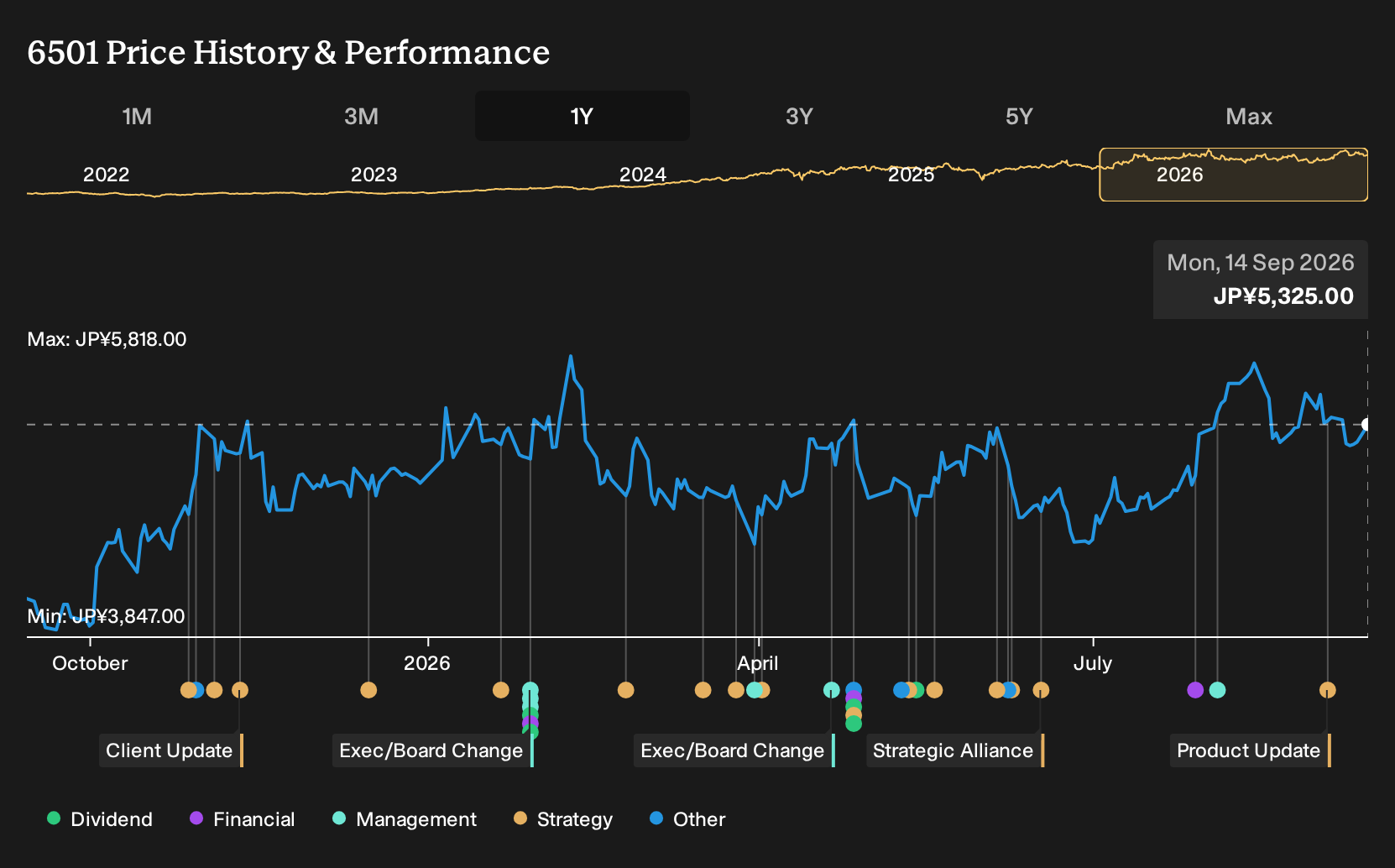
Exploring Other Perspectives
The biggest swing factor in the alternate view is pricing pressure on Hitachi’s digital and AI services. The most cautious analysts were already pencilling in ¥13,363.1b of revenue and ¥1,289.3b of earnings by 2029, yet they still saw a lower price target. Those expectations came before this HMAX news, so you may want to recheck which story you believe now.
Explore 3 other Hitachi fair value estimates, including one that suggests there may be as much as 8% downside from the current price.
The Verdict Is Yours
Don't just follow the ticker. Dig into the data and build a conviction that's truly your own.
- A great starting point for your Hitachi research is our analysis highlighting 3 key rewards that could impact your investment decision.
- See our latest analysis for Hitachi. The report includes a comprehensive fundamental analysis summarized in a single visual, the Snowflake, making it easy to evaluate Hitachi's overall financial health at a glance.
Looking for more investment ideas beyond Hitachi?
Once you have a view on Hitachi, it can help to contrast that thesis with other companies that share some of the qualities you care about most. The Simply Wall St Screener lets you filter for exactly that, whether you are drawn to balance sheet strength, income potential, or underappreciated quality.
- If capital preservation is your priority, focus on stability first and then see which companies appear in our 12 resilient stocks with low risk scores that aim to keep volatility contained while still offering room for returns.
- If you care about robust finances before anything else, start with balance sheet strength and work through the list of solid balance sheet and fundamentals (19 results) to find businesses that pair financial resilience with solid fundamentals.
- If you are hunting for underfollowed opportunities, broaden your watchlist with the 74 high quality undiscovered gems where high quality fundamentals meet relatively low market attention.
This article by Simply Wall St is general in nature. We provide commentary based on historical data and analyst forecasts only using an unbiased methodology and our articles are not intended to be financial advice. It does not constitute a recommendation to buy or sell any stock, and does not take account of your objectives, or your financial situation. We aim to bring you long-term focused analysis driven by fundamental data. Note that our analysis may not factor in the latest price-sensitive company announcements or qualitative material. Simply Wall St has no position in any stocks mentioned.
Have feedback on this article? Concerned about the content? Get in touch with us directly. Alternatively, email editorial-team@simplywallst.com