
3 Energy Stocks Linked To Oil Price Shocks And Global Trade Route Risk
Oil markets are being whipsawed by the escalating U.S. Iran conflict, and trade routes through the Strait of Hormuz are feeling the strain. That kind of shock can punish many assets, yet it can also reshuffle where capital flows next. If you care about how rising crude prices and geopolitical risk might filter through to energy producers, this piece walks through three integrated oil and gas stocks that are closely exposed to this story.
The three stocks in this article are just a small sample from the idea, and the full screen surfaced 36 more global integrated oil and gas producers with equally compelling stories that are not covered here. To see the broader field and start to identify which large energy groups best fit your own criteria, go straight to the Global Integrated Oil & Gas Producers screener.
Vietnam National Petroleum Group (HOSE:PLX)
Overview: Vietnam National Petroleum Group is Vietnam’s national fuel distributor, importing, exporting, and trading petroleum products and related services globally.
Operations: Most revenue comes from petroleum distribution, with the petroleum member companies group generating about ₫256,877,041 million in sales, primarily within Vietnam.
Market Cap: ₫44,724,847 million
Vietnam National Petroleum Group fits the screener as a large downstream-focused energy player with meaningful exposure to global crude pricing and refined product spreads. Recent earnings and EPS gains highlight how downstream trading and distribution can respond when oil markets move sharply. The key question is how one unseen pressure on those refined margins evolves if crude volatility persists.
If that unseen pressure on margins worries you, review the Vietnam National Petroleum Group financial health report to see how Vietnam National Petroleum Group manages shocks when crude prices change.

China Suntien Green Energy (SEHK:956)
Overview: China Suntien Green Energy runs wind and solar power projects alongside a sizeable natural gas distribution and LNG terminal business in Mainland China.
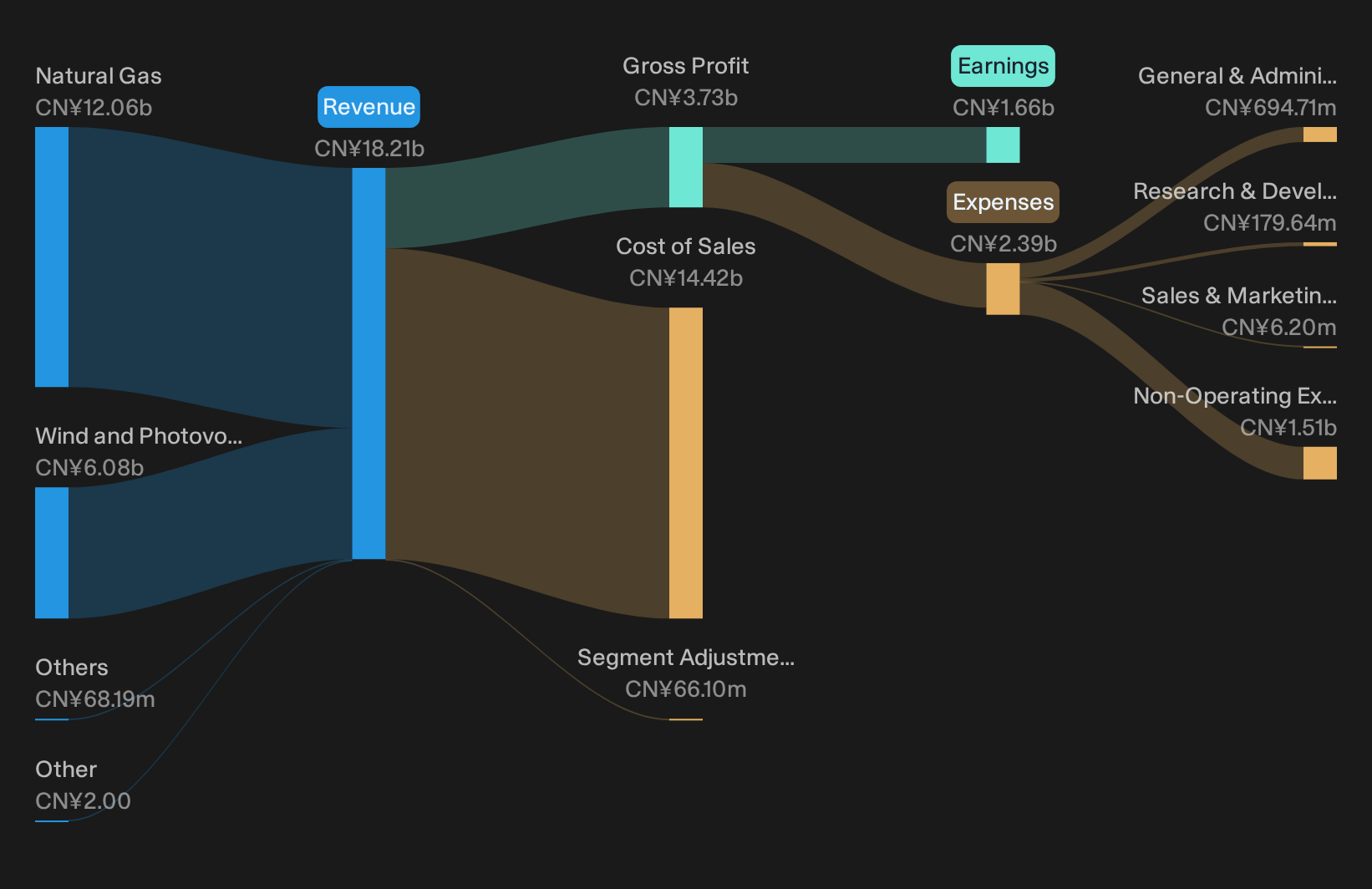
Operations: China Suntien Green Energy generates about CN¥12.1b from natural gas and CN¥6.1b from wind and PV power, almost entirely in Mainland China.
Market Cap: HK$27.1b
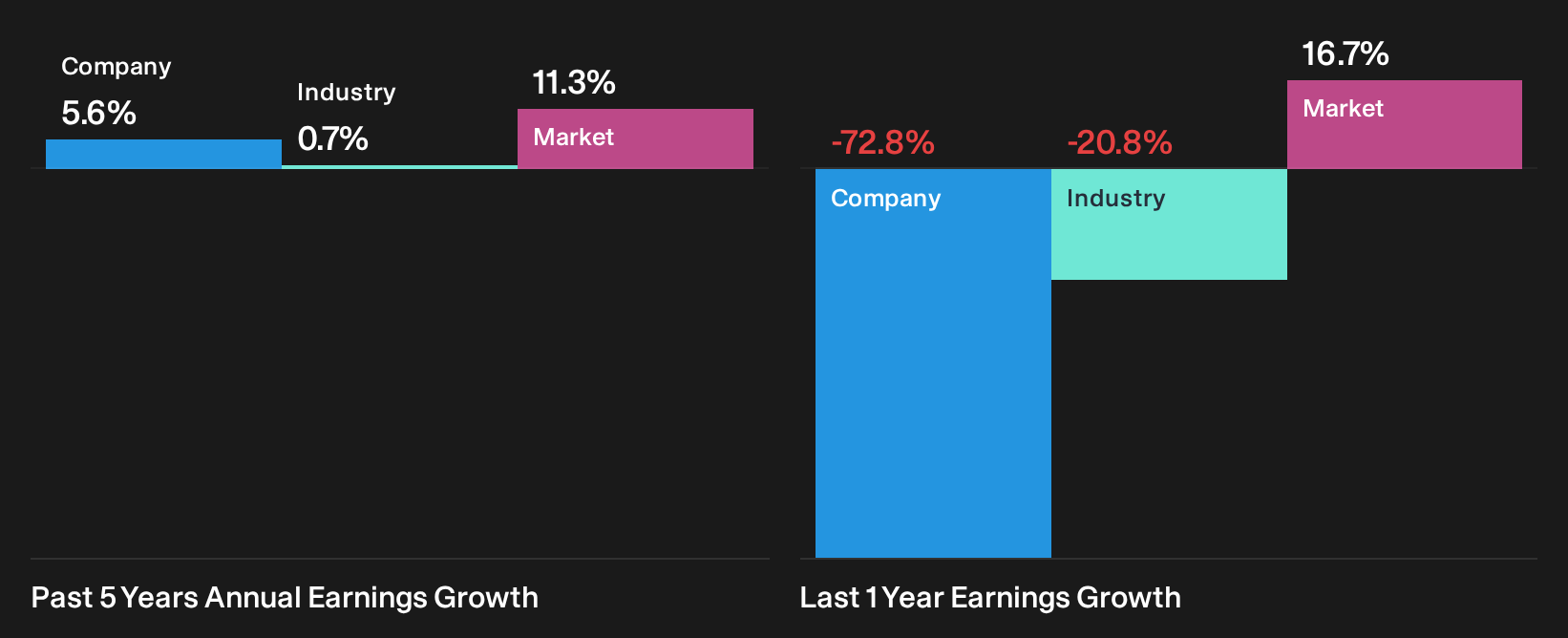
China Suntien Green Energy provides large cap exposure to both gas infrastructure and renewables within a hydrocarbon focused screen. It offers forecast earnings growth and a high dividend yield that is linked to core energy demand. However, one unresolved cash flow pressure still raises questions about how comfortably that payout and balance sheet can absorb future shocks.
That unresolved pressure is exactly why investors are watching China Suntien Green Energy’s balance sheet so closely. Tap into the China Suntien Green Energy financial health report for what the headline numbers might be masking.
New Hope (ASX:NHC)
Overview: New Hope is an Australia based coal miner and exporter whose large scale operations tie into global fossil fuel demand.
Operations: New Hope generates about A$1.1b from Coal Mining NSW, A$450 million from Coal Mining QLD, and A$86 million from Other activities.
Market Cap: A$5.3b
New Hope slots into this energy screen as a coal focused producer whose fortunes still move with global fuel demand and trade routes, which brings the current crude shock and freight disruption straight into focus.
"The global shift towards decarbonization and accelerating policy pressure to reduce coal consumption is expected to suppress long-term demand for thermal coal, creating sustained downward pressure on New Hope's revenues and potentially curbing export volume growth in the coming years."
What really matters now is how one pressure point on future cash generation plays out against that shifting demand backdrop.
That pressure point is where opportunity can start to decouple from headline coal sentiment, and the full narrative for New Hope reveals what current pricing might be missing.
Seeking Alternatives Before Momentum Flies
Fresh ideas move first. The best breakout stories often fly once early momentum is caught and the data goes stale. Scan new angles before the crowd and act now.
- Spot resilient income streams early and sift through 164 dividend fortresses while yields are still under the radar and payout momentum has not been fully priced in.
- Track the next infrastructure backbone and review the 39 power grid technology and infrastructure stocks before grid upgrade momentum is widely priced and these enablers of electrification stop looking overlooked.
- Hunt for high conviction outliers and scan the 619 high quality undiscovered gems while these quieter compounders remain mispriced and attention is still elsewhere.
This article by Simply Wall St is general in nature. We provide commentary based on historical data and analyst forecasts only using an unbiased methodology and our articles are not intended to be financial advice. It does not constitute a recommendation to buy or sell any stock, and does not take account of your objectives, or your financial situation. We aim to bring you long-term focused analysis driven by fundamental data. Note that our analysis may not factor in the latest price-sensitive company announcements or qualitative material. Simply Wall St has no position in any stocks mentioned.
Have feedback on this article? Concerned about the content? Get in touch with us directly. Alternatively, email editorial-team@simplywallst.com