
Why Stifel Just Revamped Its Price Target for Microsoft Stock
Microsoft (MSFT) stock just got another vote of confidence from Wall Street.
Stifel raised its price target on Microsoft to $530 from $450 while keeping a “Hold” rating. The firm pointed to improving momentum around Microsoft 365 Copilot and signs that customers are moving from AI trials toward broader deployments. That matters because Copilot could become one of Microsoft’s most important ways to turn its huge AI investment into recurring revenue.
The timing is interesting. Microsoft shares have struggled in 2026 even as the company keeps posting strong cloud growth. Investors have worried about massive capital spending, rising competition, and how quickly AI investments will translate into profits. Stifel’s call suggests the payoff may be becoming easier to see.
Microsoft Stock Has Had a Rough 2026
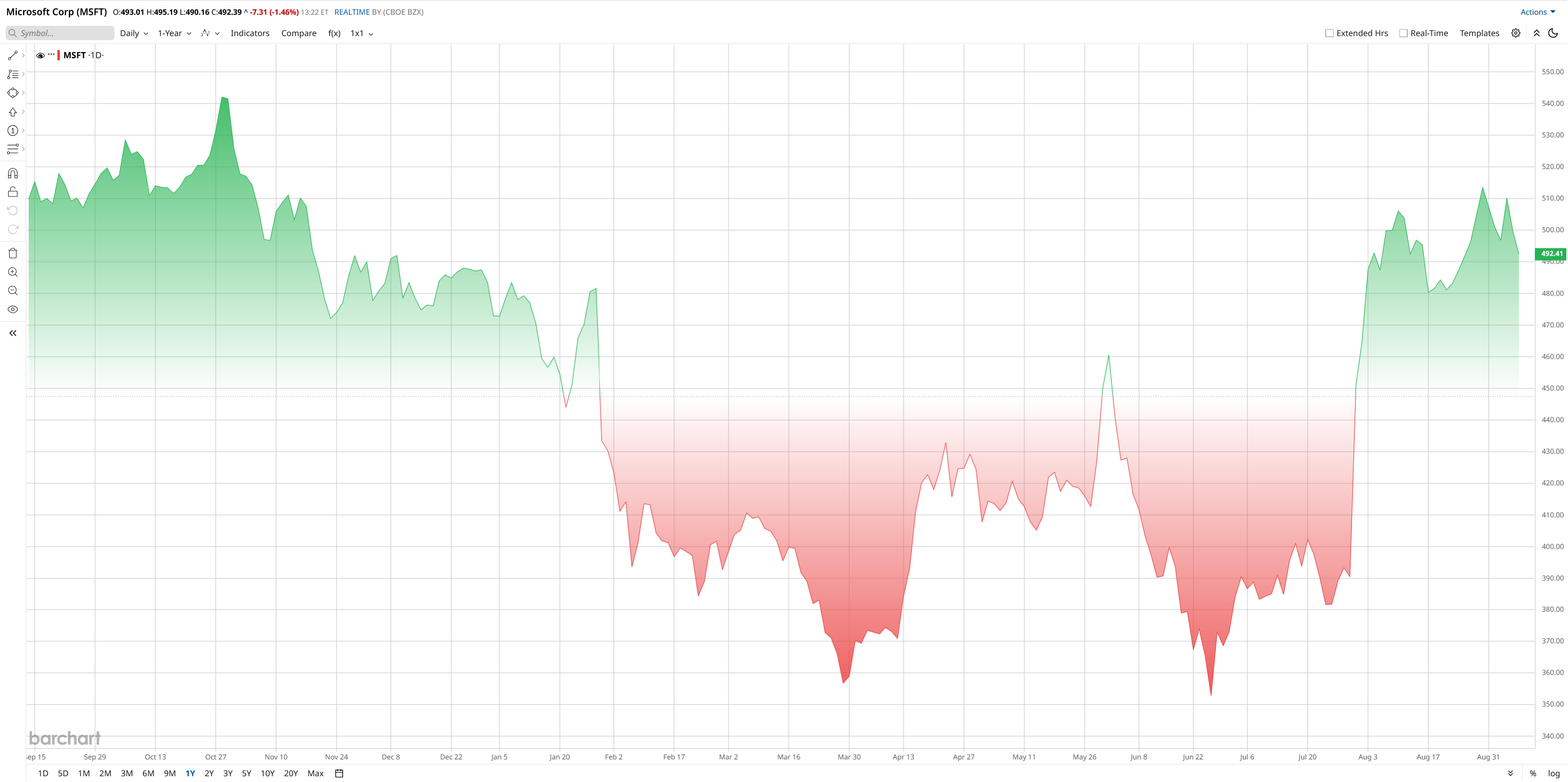
Microsoft's stock is up about 2% year-to-date (YTD) in 2026 but is down roughly 1% over the past year. Heavy AI spending and concerns about returns on data center investments have weighed on the shares.
Still, Azure growth, strong earnings, and rising Copilot adoption have provided support. Microsoft also remains one of the biggest beneficiaries of corporate AI spending.
On valuation, MSFT is a clear growth stock. Its forward price-to-earnings multiple is around 21 times, compared with about 33 times for the S&P 500 technology sector. Its price-to-sales ratio is roughly 11 times.
That looks more reasonable on earnings than the broader technology sector, but the sales multiple still reflects a premium valuation. Investors are clearly paying for continued cloud and AI growth.
Stifel Sees Copilot Becoming a Bigger Catalyst
This is where the Stifel upgrade gets interesting.
Microsoft 365 Copilot had over 30 million paid seats by the end of fiscal 2026, up from 20 million in the prior quarter. That growth suggests Microsoft is moving beyond experimentation and into wider enterprise adoption.
The opportunity is bigger than simply selling another software feature. Microsoft can layer Copilot across Office, Teams, security, and other products that businesses already use.
Microsoft is also improving the economics of delivering AI. Management has discussed better throughput for Copilot workloads and investments in its AI infrastructure. If Microsoft can serve more AI usage while controlling costs, rising adoption could eventually translate into stronger margins.
The company is pushing AI elsewhere, too. Azure remains central to its strategy, while partnerships and expanded access to AI models help Microsoft compete for enterprise workloads.
CEO Satya Nadella summed up the progress after the latest quarter, saying Azure revenue had surpassed $100 billion and Microsoft 365 Copilot had reached well over 30 million paid seats.
Microsoft’s Latest Quarter Was Strong
Microsoft’s fiscal fourth quarter gave investors plenty to work with. Revenue reached $90 billion, up 18% from a year earlier. Microsoft Cloud revenue climbed 27% to $59.3 billion, while Azure revenue increased 43%.
That Azure result was particularly important. Analysts had expected growth of about 40%, so Microsoft delivered a better result than Wall Street had anticipated.
Microsoft 365 Commercial cloud revenue increased 14%. Consumer cloud revenue also grew, while the company’s broader personal-computing business was softer.
Net income rose 31% to $35.8 billion. Adjusted earnings per share increased 22% to $4.74. Free cash flow came in at $19.6 billion, even as Microsoft continued spending heavily on AI infrastructure.
For the next quarter, Microsoft expects revenue of about $90 billion, with Azure growth of roughly 45%. That outlook gives investors another test of whether AI demand can keep accelerating.
What Does Wall Street Say About MSFT Stock?
Stifel’s $530 target is notable because the firm remains at Hold despite raising its valuation. That tells investors the firm sees improving fundamentals but still has concerns about the stock’s near-term risk-reward balance.
Bank of America is more bullish. It raised its target to $600 and maintained a “Buy” rating, pointing to Azure’s 43% growth and expectations for another acceleration.
JPMorgan is even more optimistic, lifting its target to $625 from $550. The firm sees AI infrastructure spending supporting both Azure and Microsoft 365 growth.
Morgan Stanley also carries an “Overweight” view with a $600 target and argues that Azure and Copilot are key indicators of whether Microsoft’s AI investments are generating returns.
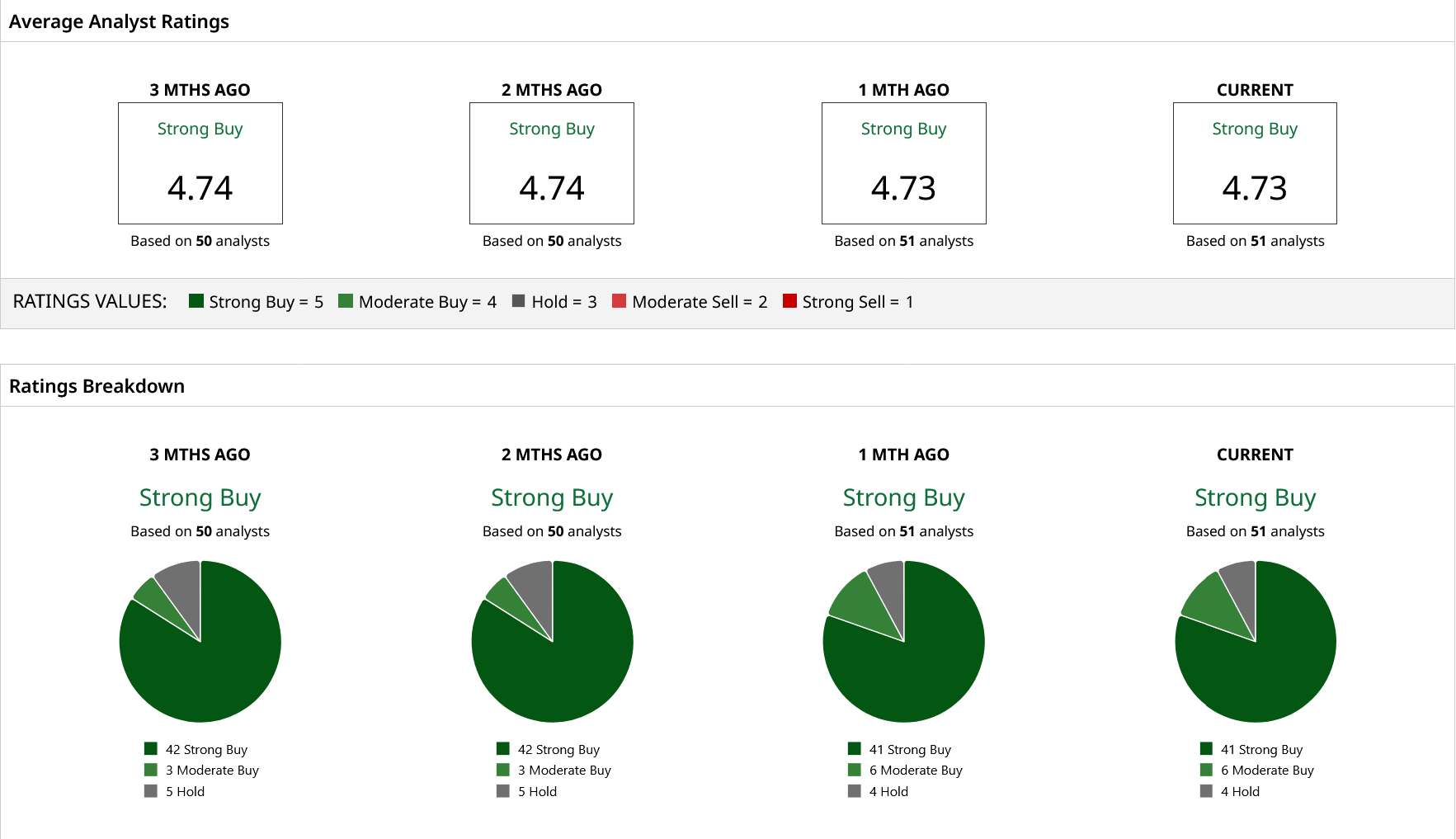
The consensus remains bullish, with analysts broadly rating Microsoft a “Strong Buy” and the average price target around $600, implying roughly 20% upside from recent levels.
For Microsoft's stock, Stifel’s move to $530 reinforces the idea that Copilot and Azure could help turn today’s AI spending into tomorrow’s earnings growth.
On the date of publication, Nauman Khan did not have (either directly or indirectly) positions in any of the securities mentioned in this article. All information and data in this article is solely for informational purposes. For more information please view the Barchart Disclosure Policy here.