
3 Energy Security Stocks Retail Investors Are Watching As Supply Risks Grow
Energy security has shifted from a background issue to front-page news, with supply routes, storage hubs and power links all under greater scrutiny. For investors, that uncertainty can create both risks and openings, especially in companies tied to the infrastructure that keeps energy flowing. This article examines how today’s geopolitical shocks feed into that story and highlights 3 stocks exposed to these pressures that might warrant a closer look.
The stocks covered below are just a starting sample. The full screen on Simply Wall St surfaced 72 more companies tied to energy infrastructure with equally compelling narratives that are not covered here. To go deeper into this theme, head straight to the Global Energy Security and Infrastructure Stocks screener to identify and analyze the highest-conviction plays for your watchlist.
Eneva (BOVESPA:ENEV3)
Eneva is an integrated Brazilian energy company that ties directly into the energy security theme through its mix of natural gas exploration, LNG logistics, and gas fired power plants that help keep the grid supplied when it is under strain. Most revenue currently comes from energy trading at about R$8.7b and the Sergipe hub at about R$4.2b, with additional contributions from coal and solar generation, upstream gas and small scale LNG. The company has a market cap of roughly R$49.9b, which gives it scale in a sector where size can matter for securing long term contracts and funding large infrastructure projects.
For investors watching geopolitical shocks ripple through global energy supply chains, Eneva offers direct exposure to Brazil’s push for reliable, gas based power and LNG backed flexibility. The company is building a platform that blends contracted thermal capacity, LNG logistics and growing renewable assets, yet still carries real questions around high debt, governance and heavy reliance on fossil based generation. Recent results show higher sales but weaker earnings, which keeps the focus on cost control and contract quality. If Eneva can keep improving cash generation while managing refinancing and decarbonization risks, the stock could be a way to access the energy security theme in Latin America without only owning upstream producers.
Eneva’s mix of gas, LNG logistics and renewables hints at a bigger story that current headlines may miss. For the full picture, including how debt and contract quality shape that story, see the analysis report for Eneva

Santos (ASX:STO)
Santos is a major Australian hydrocarbon producer that fits squarely into the energy security theme through its mix of gas, LNG and liquids projects that feed Asian and regional supply chains. Revenue is spread across several producing hubs, led by Papua New Guinea at about US$2.4b, Queensland and New South Wales at about US$1.0b, Western Australia at about US$735 million and the Cooper Basin at about US$495 million, with smaller contributions from Northern Australia and Timor Leste. The stock has a market cap of roughly A$26.4b, placing it among the larger listed energy infrastructure players in the region.
Rising geopolitical shocks in global LNG and oil trade routes have pushed energy security higher on government agendas, which is exactly where Santos operates through its LNG projects and pipelines in Australia and Papua New Guinea. Investors get exposure to large, long life gas projects such as Barossa and Pikka that could support production and export volumes, alongside efforts in carbon capture that aim to keep the business investable as emissions rules tighten. The risk side is clear too, from heavy capital spending and regulatory pressures to recent earnings softness and dividends that lean on strong cash generation to remain comfortable. For anyone building a watchlist around energy security infrastructure, Santos is a stock where the upside and the unanswered questions are both too important to ignore.
Growth projects at Santos may be masking a much bigger story around cash flow resilience and future volumes. Get the full context in the analysis report for Santos

Channel Infrastructure NZ (NZSE:CHI)
Channel Infrastructure NZ operates New Zealand’s key fuel import and storage hub at Marsden Point, with revenue of about NZ$140 million in 2025 coming entirely from infrastructure fees on terminals, tanks and pipelines. Every dollar is earned in New Zealand, reflecting its role in national fuel and energy security. The company has a market cap of roughly NZ$1.4b, putting it in the mid cap bracket for investors looking at listed energy infrastructure.
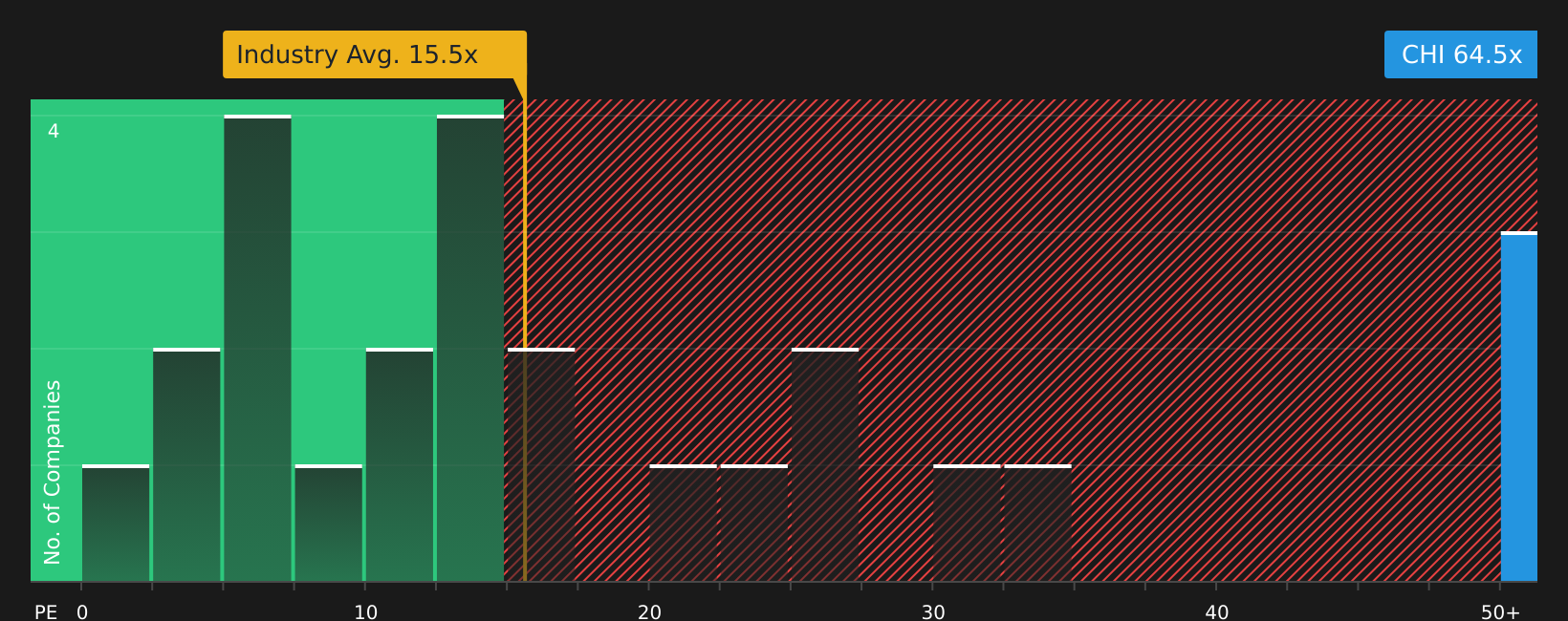
Channel Infrastructure NZ is tightly linked to today’s concern about secure fuel supply, running jetty, storage and pipeline assets that keep transport and aviation fuel flowing even when global trade routes are disrupted. Long term storage contracts, new government diesel reserves and the Marsden Point Energy Precinct give the company lengthy revenue visibility and potential exposure to future fuels such as SAF. The trade off is high leverage, a dividend that leans on free cash flow and a P/E that already reflects a substantial growth premium. For investors seeking exposure to energy security in a single domestic market, this is a stock where the mix of contracted cash flows, large capital projects and policy support may warrant closer analysis.
Channel Infrastructure NZ’s contracted cash flows and growth premium hint at a story investors may be underestimating. For the full picture, see the analysis report for Channel Infrastructure NZ
Seeking Fresh Alternatives Before Others?
Markets move fast and the best under the radar ideas do not stay quiet forever. Spot stocks building breakout momentum while it matters, before the crowd reacts, and consider acting while conditions are still in your favor.
- Track companies already showing strong trends and cash strength. Scan the 274 high quality undervalued stocks before prices move away from ranges you consider realistic for entry.
- Look for potential leaders in automation and industrial efficiency early. Use the curated 37 robotics and automation stocks while many of these themes are still under the radar.
- Review opportunities related to the grid upgrade cycle. Filter potential candidates with the focused 38 power grid technology and infrastructure stocks before investment momentum shifts and alters your window for an attractive entry.
This article by Simply Wall St is general in nature. We provide commentary based on historical data and analyst forecasts only using an unbiased methodology and our articles are not intended to be financial advice. It does not constitute a recommendation to buy or sell any stock, and does not take account of your objectives, or your financial situation. We aim to bring you long-term focused analysis driven by fundamental data. Note that our analysis may not factor in the latest price-sensitive company announcements or qualitative material. Simply Wall St has no position in any stocks mentioned.
Have feedback on this article? Concerned about the content? Get in touch with us directly. Alternatively, email editorial-team@simplywallst.com