
Buy The Dip Ideas Beyond ETFs With Morningstar Ameriprise And MSCI
Every major market slide feels uncomfortable, yet history often treats those periods as turning points for patient investors who stay the course. With fresh attention on how past S&P 500 drawdowns set the stage for long-term gains, broad U.S. equity index ETFs are back in focus. This article walks through 3 ETFs from our screener that sit at the heart of that story and explains how each is tied to today’s renewed interest in dip buying.
The ETFs highlighted below are just a starting sample. The full screen on Simply Wall St surfaced 20 more broad U.S. equity index funds with equally compelling stories that are not covered here. To see the wider opportunity set, head straight into the Broad U.S. Equity Index Investing (S&P 500 and Total-Market ETFs) screener to identify, compare, and analyze the broad index ETFs that best fit your long-term plan.
Morningstar (MORN)
Overview: Morningstar is a Chicago based financial data and research company that helps investors and advisors select, analyze, and monitor investments across mutual funds, ETFs, stocks, bonds, and model portfolios, supported by platforms like Morningstar Direct, Advisor Workstation, and Morningstar.com. It also owns PitchBook for private markets data, Sustainalytics for ESG ratings, and a growing index and credit ratings franchise used as benchmarks and for investment products.
Operations: Morningstar generates most of its revenue from its Morningstar Direct Platform segment at about US$860 million, with additional contributions from PitchBook at about US$690 million, Morningstar Credit at about US$400 million, and smaller but meaningful revenue from Morningstar Wealth, Morningstar Retirement, and other corporate activities.
Market Cap: US$7.8b
Investors looking at broad index ETFs often rely on independent research, and that is where Morningstar stands out. The company sits at the center of fund selection and asset allocation, from core tools like Morningstar Direct through to private markets data at PitchBook and ESG ratings via Sustainalytics. The P/E sits below many capital markets peers, although the share price is above one estimate of future cash flow value, which calls for price discipline. High leverage and reliance on external funding add risk that investors should respect. With new index launches, AI integrations and ongoing buybacks, there is more to unpack before deciding how Morningstar fits alongside a long term, buy the dip ETF strategy.
Morningstar’s mix of fund research, private markets data, and ESG ratings could be setting up a more powerful story than the P/E alone suggests. See how the balance of opportunity and leverage risk really stacks up in the 3 key rewards and 1 important warning sign

Build your own Morningstar style ETF support shortlist
Morningstar and the two other stocks in this article all surfaced from a single Simply Wall St screener, but the real edge comes when you shape your own filters. Use our customisable Screener to combine valuation, growth, balance sheet and risk metrics in one place, or start with any of our curated Investing Ideas for ready made stock shortlists.
Ameriprise Financial (AMP)
Overview: Ameriprise Financial is a Minneapolis based diversified financial services company that provides financial planning, investment management, and retirement solutions to individuals and institutions through its network of advisors and its Columbia Threadneedle Investments asset management arm.
Operations: Ameriprise generates most of its revenue from Advice & Wealth Management at about US$12.9b, with additional contributions from Retirement and Protection Solutions at about US$4.0b, Asset Management at about US$3.8b, and smaller amounts from Corporate & Other and unallocated items.
Market Cap: US$50.3b
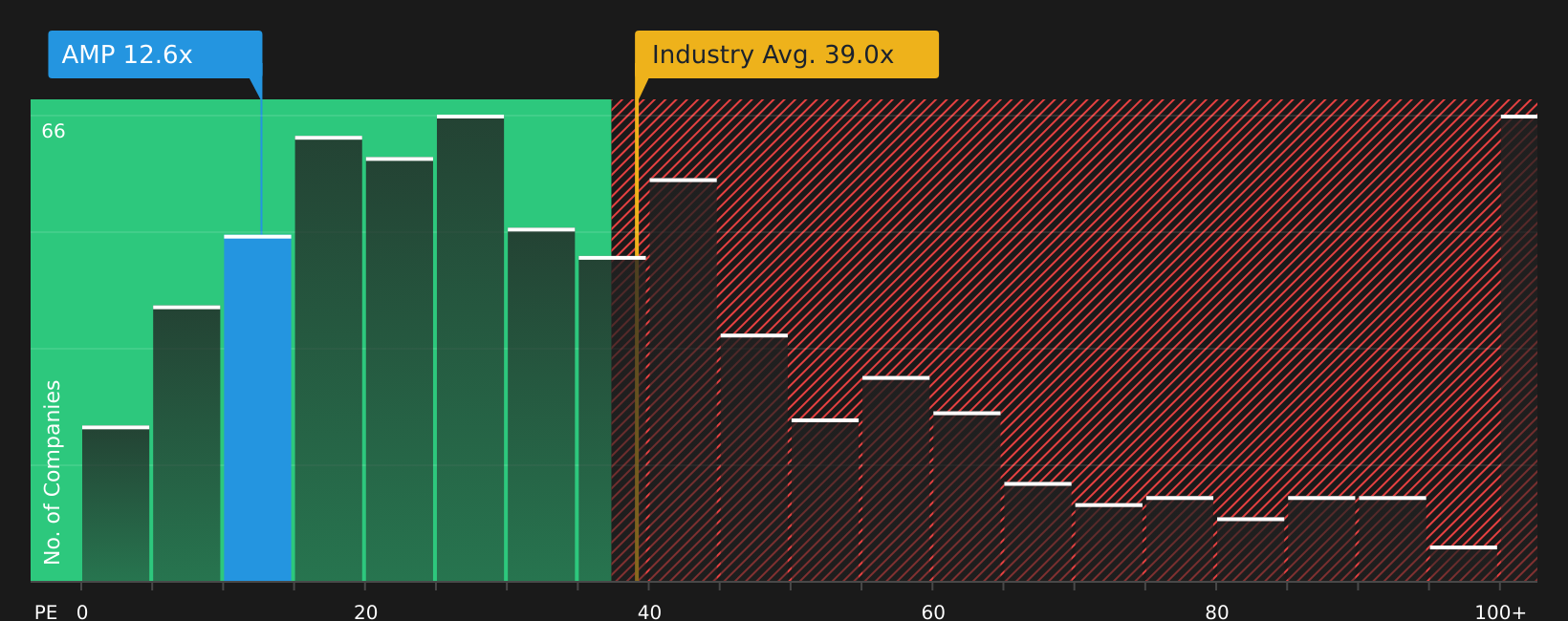
Ameriprise Financial is closely linked to buy the dip interest in broad index funds because thousands of its advisors are helping clients put long term S&P 500 and ETF plans into action. The company combines factors such as reported ROE and earnings with a P/E that sits below the wider US capital markets industry, while also returning capital through share buybacks and a long running dividend. On the other hand, management must keep demonstrating that it can handle market volatility, fee pressure, and asset outflows in a world where low cost passive products are gaining share. For investors who want a gatekeeper to long horizon equity investing, the full Ameriprise story may warrant a closer look.
Ameriprise Financial’s mix of advisor led planning, reported ROE and a P/E below the wider US capital markets industry hints at a story many investors may be underestimating. See how the full set of trade offs and opportunities lines up in the 4 key rewards and 1 important warning sign
MSCI (MSCI)
Overview: MSCI is a New York based provider of indexes, data and analytics that sit behind many of the ETFs, mutual funds and institutional portfolios used by long term equity investors. Its tools support everything from index based products and risk management to ESG, climate and private asset analysis, making MSCI a core part of how large investors build and monitor portfolios.
Operations: MSCI generates about US$1.9b from its Index segment, about US$744 million from Analytics, about US$364 million from Sustainability and Climate, and about US$288 million from All Other, Private Assets.
Market Cap: US$41.4b
MSCI is closely linked to the renewed buy the dip focus on broad equity indexes because many S&P 500 and total market ETFs are built on its benchmarks and analytics. The company combines high margins, recurring revenue and a 1.44% dividend with activity in areas such as climate data, AI driven tools and private assets, supported by recent moves such as the First Street acquisition and new partnerships in private markets. At the same time, high debt, fee pressure on index products and questions around ESG data practices mean investors need to weigh balance sheet risk and competitive pressure carefully. For anyone using broad index ETFs as a core strategy, MSCI is a key piece of the puzzle that may warrant closer scrutiny.
MSCI’s index reach, recurring revenue and climate tools are getting plenty of attention, yet the real story may sit in how its growth profile is evolving. See what the analyst forecasts for MSCI quietly reveals about the next chapter

Seeking Fresh Alternatives Before Momentum Flies
Markets move fast and the next breakout themes can shift while you watch. Consider these fresh stock ideas before the crowd catches on and while it matters.
- Target resilient payouts that may keep flowing even when prices are dropping by scanning the curated 10 dividend fortresses built to highlight income opportunities that stand out.
- Spot early AI momentum before it gets fully caught in the spotlight by reviewing the hand picked 75 profitable AI stocks that aren't just burning cash that balance growth stories with real earnings.
- Track the early moves in energy infrastructure as demand builds by checking the focused 38 power grid technology and infrastructure stocks aimed at companies involved in the power backbone.
This article by Simply Wall St is general in nature. We provide commentary based on historical data and analyst forecasts only using an unbiased methodology and our articles are not intended to be financial advice. It does not constitute a recommendation to buy or sell any stock, and does not take account of your objectives, or your financial situation. We aim to bring you long-term focused analysis driven by fundamental data. Note that our analysis may not factor in the latest price-sensitive company announcements or qualitative material. Simply Wall St has no position in any stocks mentioned.
Have feedback on this article? Concerned about the content? Get in touch with us directly. Alternatively, email editorial-team@simplywallst.com