
UK Stocks Facing Higher Rates and Tax Pressure Investors May Want To Watch
Rising UK gilt yields above 5%, questions over fiscal headroom, and the risk of higher taxes or spending cuts are all putting pressure on stocks that depend heavily on cheap funding and healthy consumer finances. Inflation and the potential for further Bank of England rate hikes add another layer of stress for businesses that rely on interest rate sensitive demand or stable disposable income. This article looks at how that backdrop connects to three UK Fiscal Tightening Impacted Stocks With Inflation Exposure from our screener, each facing specific risks from these policy shifts and macro trends that investors may want to examine closely.
J Sainsbury (LSE:SBRY)
Overview: J Sainsbury is a UK based retailer that sells groceries, general merchandise, clothing and fuel through Sainsbury’s supermarkets and convenience stores, Argos and Habitat, as well as offering banking and insurance products under the Sainsbury’s Bank and related brands.
Operations: Sainsbury generates almost all of its £33.6b in revenue from Retail (£33.6b) with a small contribution from Financial Services (£96m), all in the United Kingdom.
Market Cap: £7.5b
J Sainsbury sits at the sharp end of UK fiscal tightening, with its low 1.2% net margin, reliance on higher risk external borrowing and UK only customer base leaving little room for error if taxes rise or household incomes are squeezed. Management is pursuing a £1b cost savings programme, new store openings and loyalty driven growth. However, wage inflation, higher business rates and subdued general merchandise demand all present challenges that could offset these efforts. Forecast earnings estimates and a modelled fair value premium to the current share price may appear attractive, yet dividends are not well covered by free cash flow and returns on equity are modest. The key consideration is whether the current valuation adequately reflects the macroeconomic and balance sheet risks.
J Sainsbury’s thin 1.2% net margin and modest returns on equity leave little cushion if UK households tighten spending further, so stress test your thesis against the full 2 key rewards and 1 important warning sign
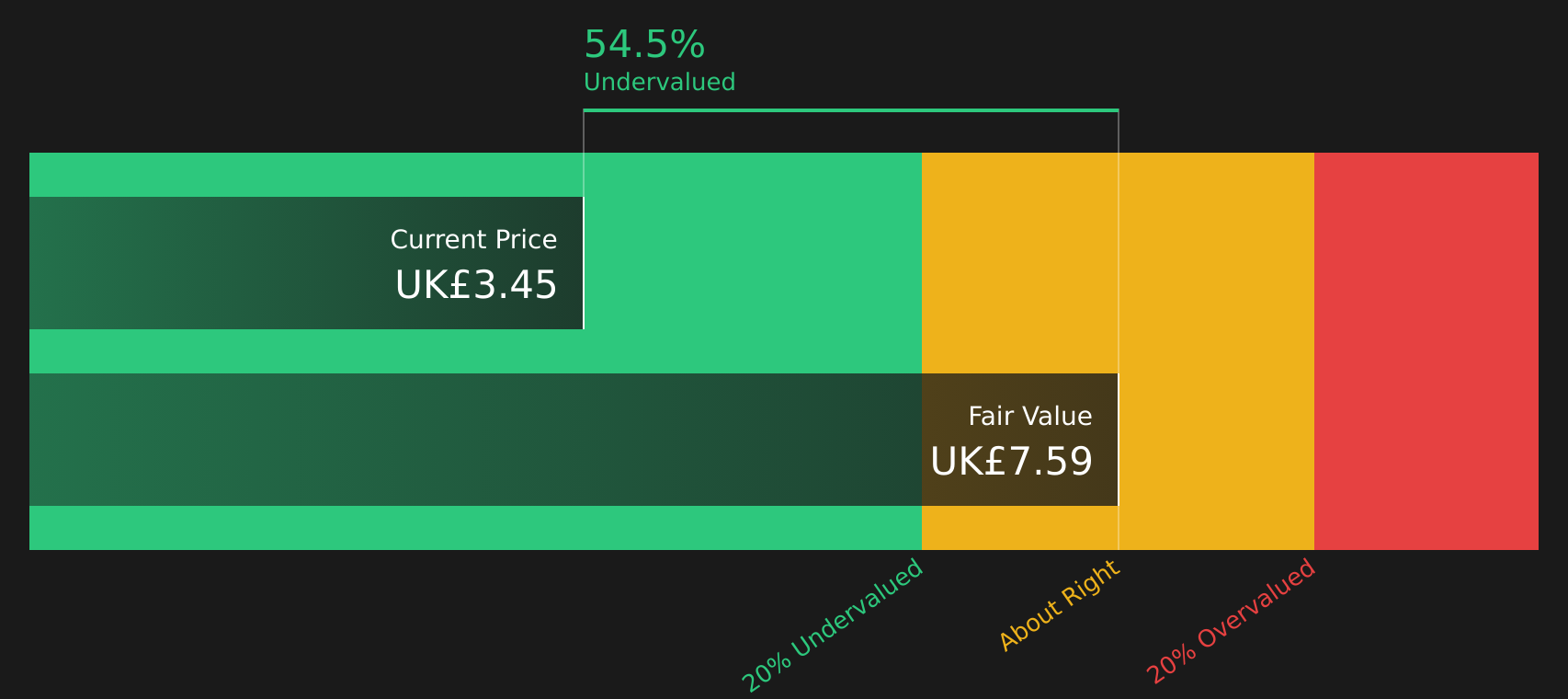
British Land (LSE:BLND)
Overview: British Land is a UK commercial property company that owns, develops and manages large London office campuses and retail parks, aiming to create long term, income producing real estate that appeals to tenants and visitors.
Operations: British Land generates most of its £524m in revenue from Retail & London Urban Logistics (£289m) and Campuses (£108m), with the remainder from various unallocated fees and service charges, all in the United Kingdom.
Market Cap: £4.5b
British Land looks interesting in a tougher UK fiscal setting because high quality offices and retail parks can support occupancy and rent levels. However, the model leans heavily on external borrowing at a time when gilt yields, all in funding costs and Bank of England rate expectations are putting pressure on real estate valuations. Earnings and margins are strong on paper, helped by asset revaluations and one off items, but debt is not well covered by operating cash flow and the dividend record has been uneven. Combined with leadership changes at the top and the risk that prolonged high rates could affect asset values and refinancing terms, British Land becomes a stock where the headline valuation only tells part of the story.
British Land’s solid properties and headline earnings may be masking where rising gilt yields and uneven dividends could bite next, so weigh those pressures against the full 3 key rewards and 3 important warning signs (1 is major!)
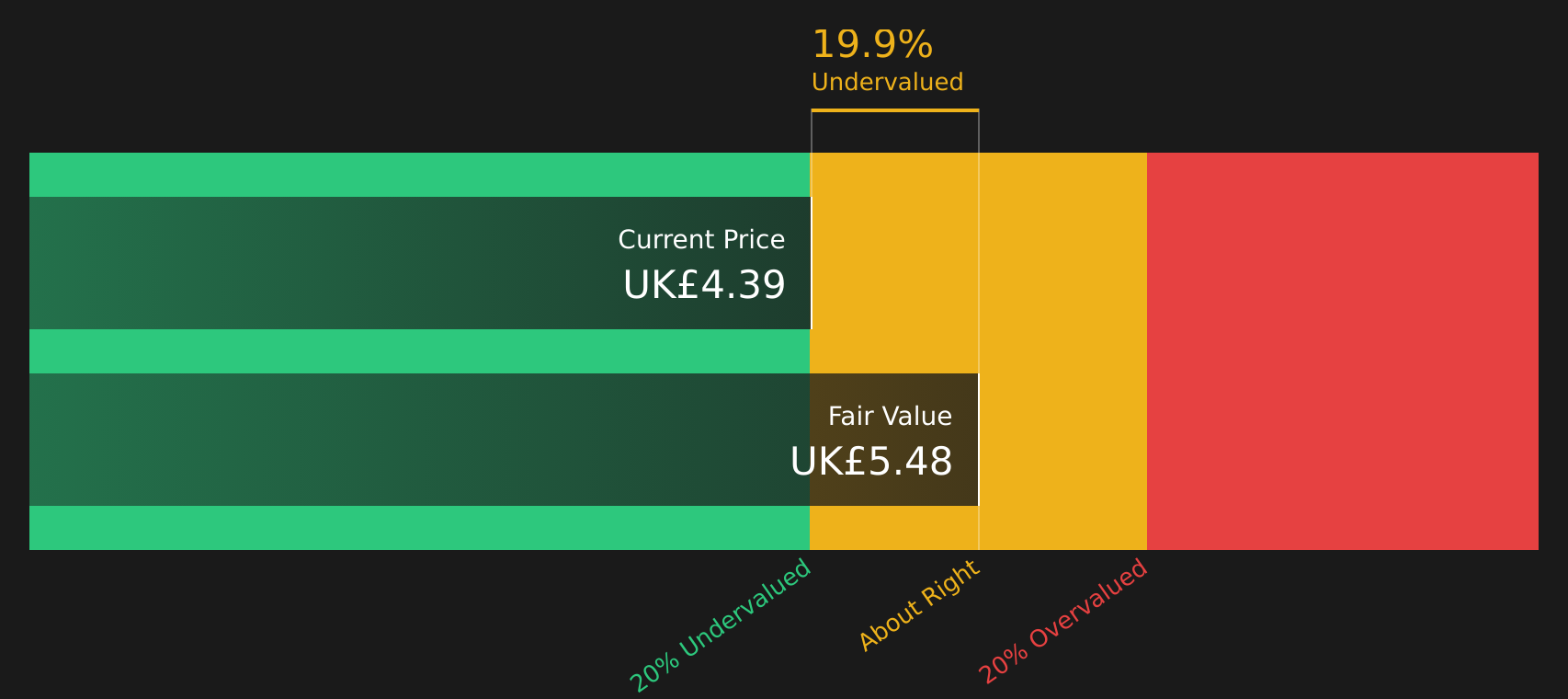
Taylor Wimpey (LSE:TW.)
Overview: Taylor Wimpey is a long established UK housebuilder that designs, builds and sells homes and communities across the United Kingdom and Spain, offering properties from first time buyer homes through to larger family houses.
Operations: Taylor Wimpey generates the bulk of its revenue in the United Kingdom at about £3.7b, with a smaller contribution of around £193m from Spain.
Market Cap: £2.9b
Taylor Wimpey provides exposure to the UK housing cycle at a moment when higher gilt yields, expensive mortgages and the risk of tax rises are squeezing affordability. At the same time, the stock trades on a 28.7x P/E and carries a 9.21% dividend yield that is not well supported by earnings or free cash flow. Margins have come under pressure, with net profit margin at 2.6% and earnings declining, while a £243.8m one off loss and a potential £4.5b competition lawsuit add legal and reputational uncertainty. For investors, a key consideration is whether the land bank and balance sheet adequately offset these headwinds.
Taylor Wimpey’s rich 28.7x P/E and 9.21% dividend yield sit awkwardly beside a 2.6% net margin, a £243.8m one off loss and a potential £4.5b lawsuit. Pressure test how those pieces fit together with the analysis report for Taylor Wimpey

Take Control of Your Investment Journey
If Taylor Wimpey or any of these companies are making you feel more cautious, register for FREE with Simply Wall St and add your companies to a Watchlist to monitor the share price against the fair value and track any new developments as they happen. Once you've made your move, manage your holdings with our Portfolio Command Center that filters out the noise to deliver only the most critical, actionable updates. Throughout your journey, our Community allows you to filter the best ideas from thousands of investor perspectives. By uncovering hidden catalysts and risks early, you'll accelerate your decision-making and stay one step ahead of the market.
Seeking Alternatives Before The Crowd Moves
Fresh stock ideas can move from quiet to breakout fast, and by the time the momentum is obvious, the best entry points may have slipped. Scan what is still under the radar for now and act now.
- Spot resilient income opportunities before yields start dropping by reviewing companies in the 4 dividend fortresses built to prioritise cash returns while the window is still open.
- Ride structural demand for computing power by checking the curated 55 AI infrastructure stocks that could benefit if AI workloads keep pushing data centres and networks harder.
- Get ahead of the automation wave by scanning the hand picked 34 robotics and automation stocks where machines, software and sensors may reshape how entire industries operate.
This article by Simply Wall St is general in nature. We provide commentary based on historical data and analyst forecasts only using an unbiased methodology and our articles are not intended to be financial advice. It does not constitute a recommendation to buy or sell any stock, and does not take account of your objectives, or your financial situation. We aim to bring you long-term focused analysis driven by fundamental data. Note that our analysis may not factor in the latest price-sensitive company announcements or qualitative material. Simply Wall St has no position in any stocks mentioned.
Have feedback on this article? Concerned about the content? Get in touch with us directly. Alternatively, email editorial-team@simplywallst.com