Damo's latest research: AI glasses shipments will continue to rise, is the next “smart entrance” coming?
The Zhitong Finance App learned that on August 7, Damo released a research report focusing on the AI+AR glasses field in Greater China and the Asia-Pacific region, mentioning that Chinese manufacturers such as Alibaba, Rokid, and Xreal are speeding up the integration of AR functions and using microLED, waveguide systems, etc., while Meta's new AR glasses Celeste will use an LCOS display module, and battery life is a key consideration. Damo predicts that the SoC market for AI glasses will achieve a compound annual growth rate of 80% in 2024-2028, and the CIS and LCOS markets will reach USD 273 million and USD 153 million respectively in 2028.
The main contents are as follows:
Chips in glasses: Chinese brand artificial intelligence glasses, wow...
Alibaba unveiled its WOW (WOW) glasses. Additionally, Howell Technology's silicon-based LCD display has been used by Meta's new Celeste augmented reality glasses.
China's artificial intelligence glasses manufacturers are racing to integrate augmented reality capabilities. At the World Artificial Intelligence Conference, we visited the stands of Alibaba, Ruoqi, and Jiyue.
・Alibaba has launched Wow Quark Artificial Intelligence + Augmented Reality glasses. In terms of semiconductors, wow, mainstream system-level chips were used, but a Best Technology BES2800 chip was added to improve energy efficiency. In terms of augmented reality, Alibaba chose a binocular MLED + waveguide system. I learned at the World Artificial Intelligence Conference that wow uses Crystal Energy Optoelectronics's monochromatic (green) microlight-emitting diode chips.
・Ruoqi's artificial intelligence + augmented reality glasses use almost the same silicon elements. In terms of augmented reality displays, Ruoqi also uses microlight-emitting diodes from Crystal Energy Optoelectronics, but is equipped with four waveguides (wow, two for each eye).
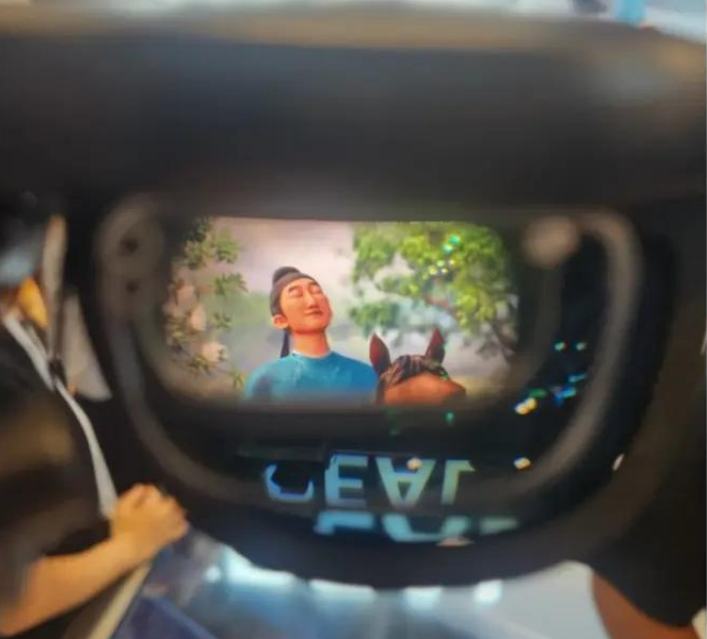
・Gokkoshi followed a different path; its augmented reality module combines miniature organic light-emitting diodes with a birdbath optical stack. Although the bird-bath design may make the product heavier, it provides full-color images. Meta's first artificial intelligence/augmented reality glasses. Damo expects Celeste to be officially unveiled at the Meta Connect conference in September.
・According to Daima's survey of the supply chain, Celeste will use a silicon-based LCD (silicon-based LCD) + waveguide display module.
・This silicon-based LCD panel has a particularly high resolution of 58 pixels and a refresh rate of 120 Hz. The waveguide technology is authorized by Looms (invested by Crystal Optoelectronics (002273), covered by analyst Andy Meng) and will be manufactured by SCHOTT. A key issue with artificial intelligence+augmented reality glasses remains battery life.
・The battery life of the early Orion prototype was only about 4 minutes, and whether Celeste can achieve significant improvements in battery life may be a key factor in user acceptance.
・Damo believes that augmented reality displays are unlikely to use silicon waveguides in the short term because the cost is too high (for example, a $5 silicon wafer can only support 3-4 pairs of glasses).
Semiconductor content in Ray-Ban Meta 3: Damo's industry survey shows that third-generation models may further enhance multi-modal capabilities driven by artificial intelligence, including real-time object detection and environmental understanding. The device is expected to retain a similar semiconductor solution, while its camera setup is likely to be paired with Sony's 16 megapixel image sensor.
More artificial intelligence eyewear products launched
News from the Shanghai World Artificial Intelligence Conference -- Chinese companies are speeding up their entry into the field of augmented reality glasses
Alibaba may be the first Chinese tech giant to launch artificial intelligence+augmented reality glasses products. At the World Artificial Intelligence Conference, Alibaba unveiled its wow glasses, which use a binocular MLED + waveguide system. According to a survey of the supply chain, its micro LED projector is supplied by Crystal Energy Optoelectronics. However, unlike Meta's upcoming full-color projector, Alibaba's wow glasses only offer a monochromatic (green) augmented reality display.
Damo said it also saw two domestic smart glasses suppliers Ruoqi and Jiyue showcased their artificial intelligence+ augmented reality glasses. Ruoqi's design is similar to Alibaba's wow glasses, using microlight-emitting diodes and diffractive waveguides. However, it is better to use microLEDs with birdbath solutions to achieve full color display.
Figure 1: Alibaba launches wow artificial intelligence+ augmented reality glasses at the Shanghai World Artificial Intelligence Conference
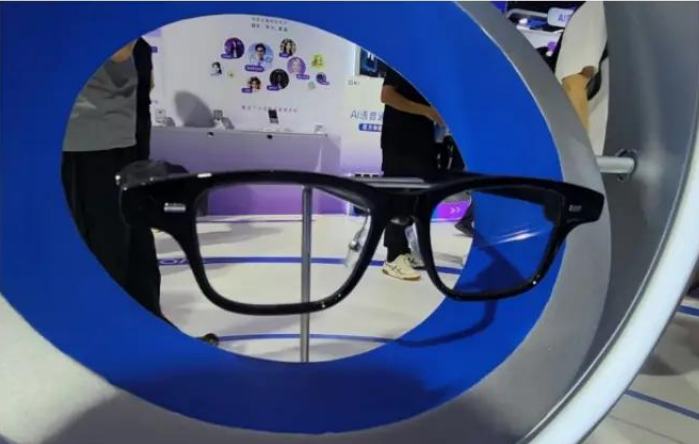
Figure 2: Ruoqi glasses use two waveguide displays on each side
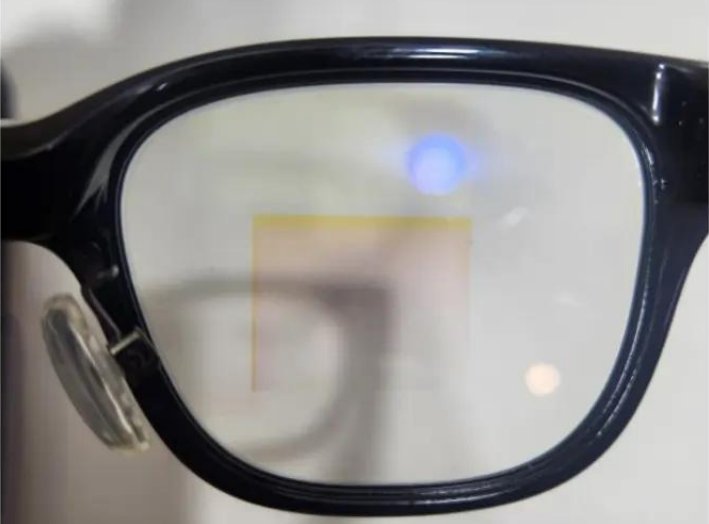
Figure 3: Extreme One uses miniature organic light-emitting diodes + birdbath design to achieve augmented reality functionality
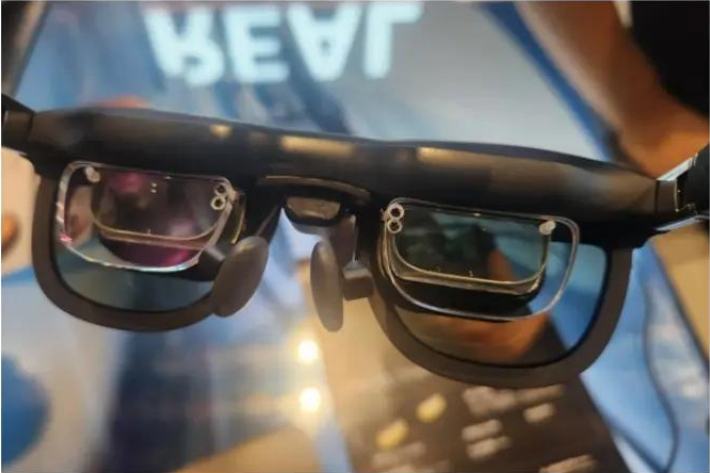
Figure 4: Extreme One offers full color display
Artificial Intelligence Glasses Supply Chain: Tianyue Advanced and Sunyu Optics Reach Strategic Cooperation
Tianyue Advanced and Shunyu Optics signed a strategic cooperation agreement to promote the application of silicon carbide substrates in the field of optics. Shunyu OmniLight, a subsidiary of Shunyu Optics, and Tianyue Advanced reached a strategic cooperation in the field of micro-nano optics and new materials.
Damo believes that cooperation with Sunyu OmniLight will help promote the application of silicon carbide substrate materials in the field of artificial intelligence eyewear optics and electric vehicle displays (such as head-up displays).
Key Takeaways from Meta's Q2 2025 Earnings Conference Call
During Meta's 2025 earnings call, the company announced that artificial intelligence glasses will be the main way to incorporate superintelligence into everyday life. Despite weak Quest sales, Meta's reality lab revenue increased 5% year-over-year in the second quarter thanks to strong sales of artificial intelligence glasses.
Meta also mentioned that by incorporating display capabilities (augmented reality) into artificial intelligence glasses, it can unlock more multi-modal interactions with artificial intelligence. This is consistent with Damo's view that artificial intelligence/augmented reality glasses may become the next driving force for smart glasses products.
Damo's latest predictions on artificial intelligence/augmented reality glasses
Figure 5: Interaction between AI glasses and AI large language models
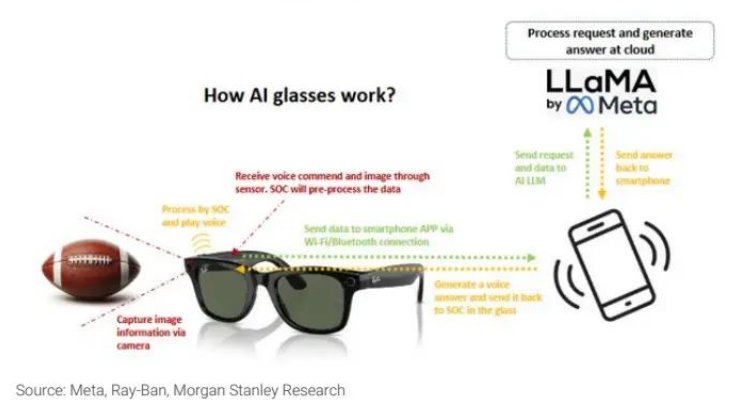
Chart 6: The total system-on-chip addressable market for artificial intelligence glasses is predicted to achieve a compound annual growth rate of 80% from 2024-2028
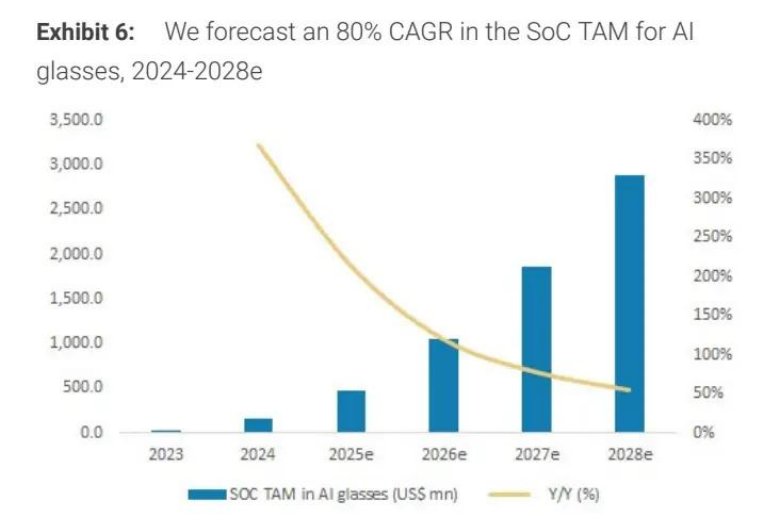
Exhibit 7: The total addressable market for image sensors in artificial intelligence glasses is estimated to grow to $273 billion in 2028
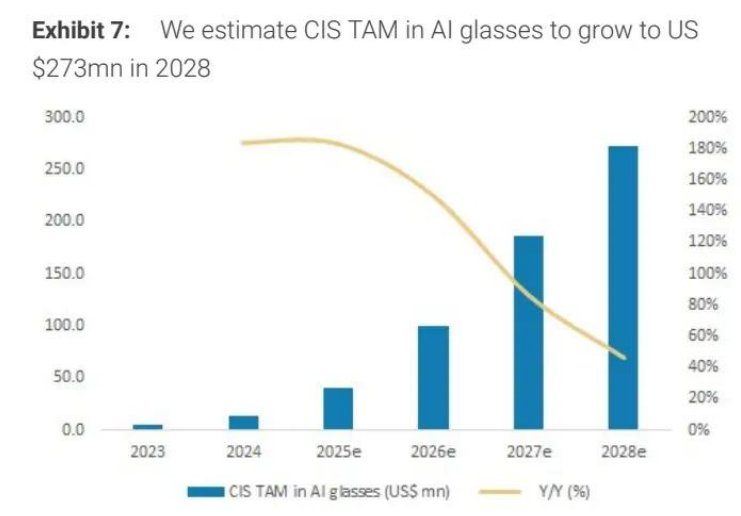
Exhibit 8: The total addressable market for silicon-based LCDs in augmented reality devices is predicted to reach $153 billion by 2028
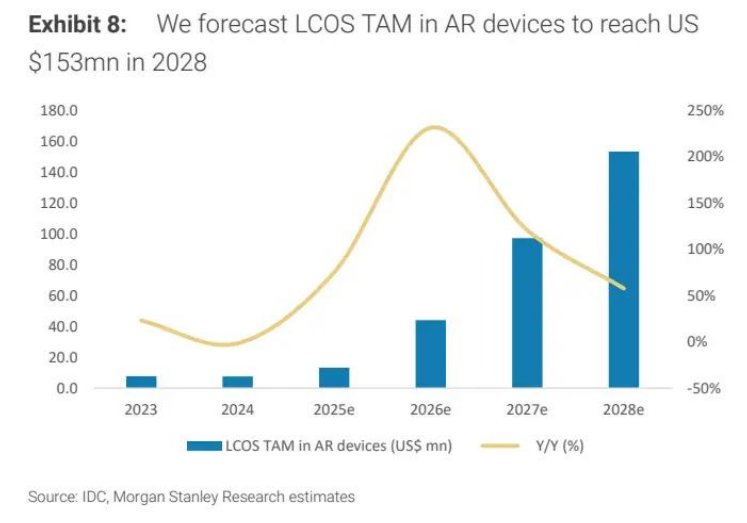
Chart 9: Artificial intelligence glasses shipment volume forecast (thousand units)
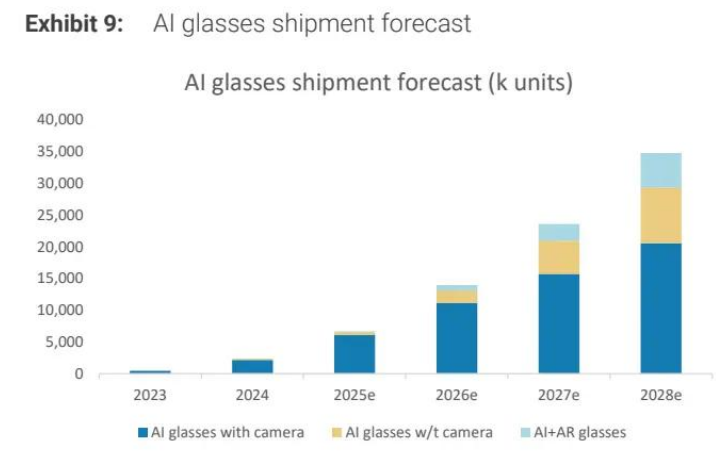
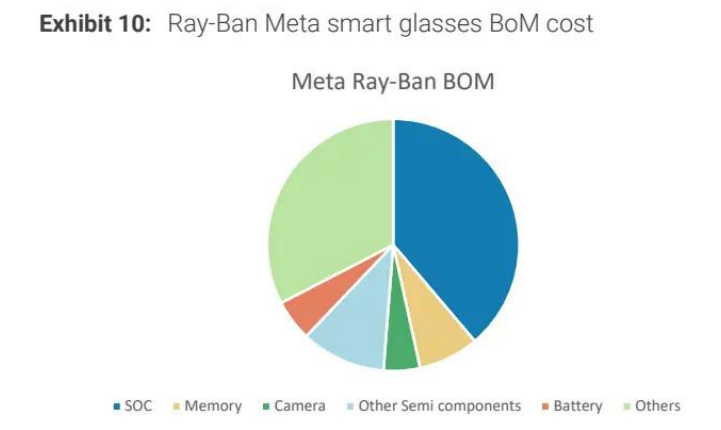
Exhibit 10: Bill of Materials Costs for Ray-Ban Meta Smart Glasses
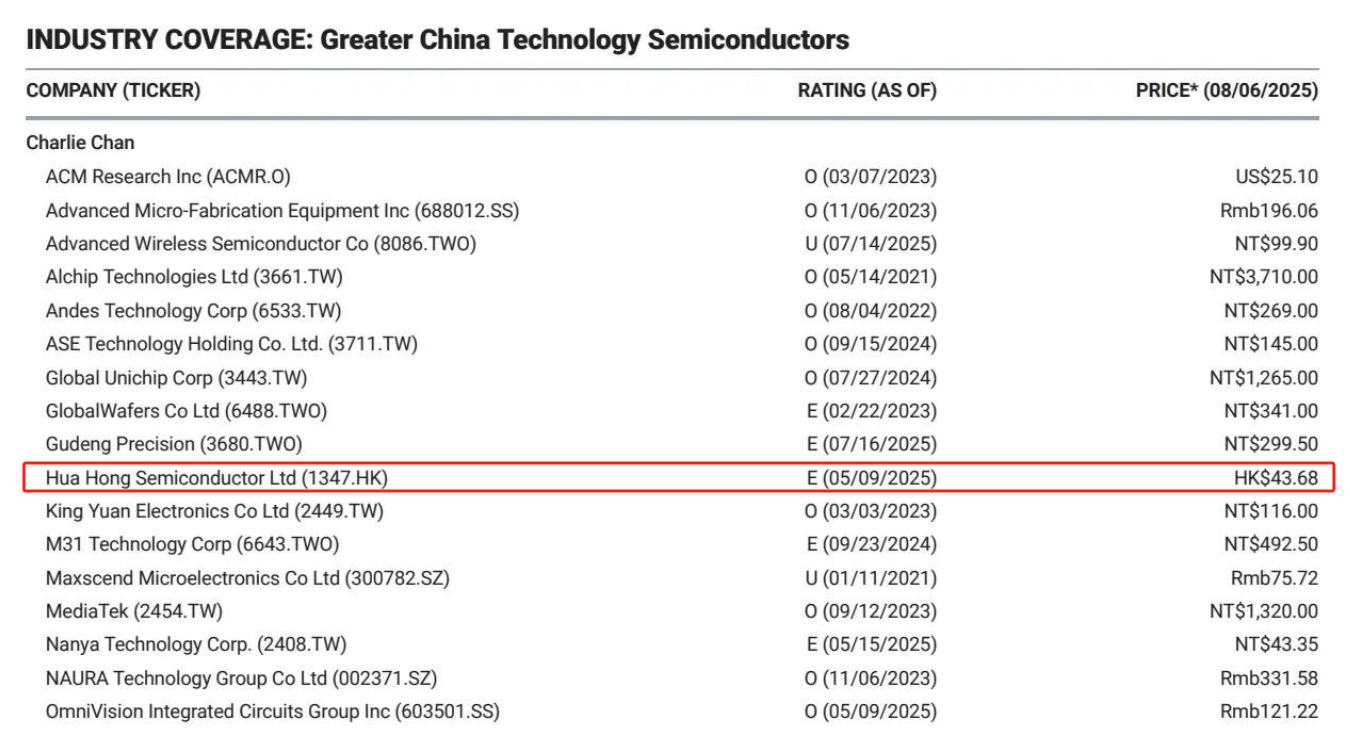
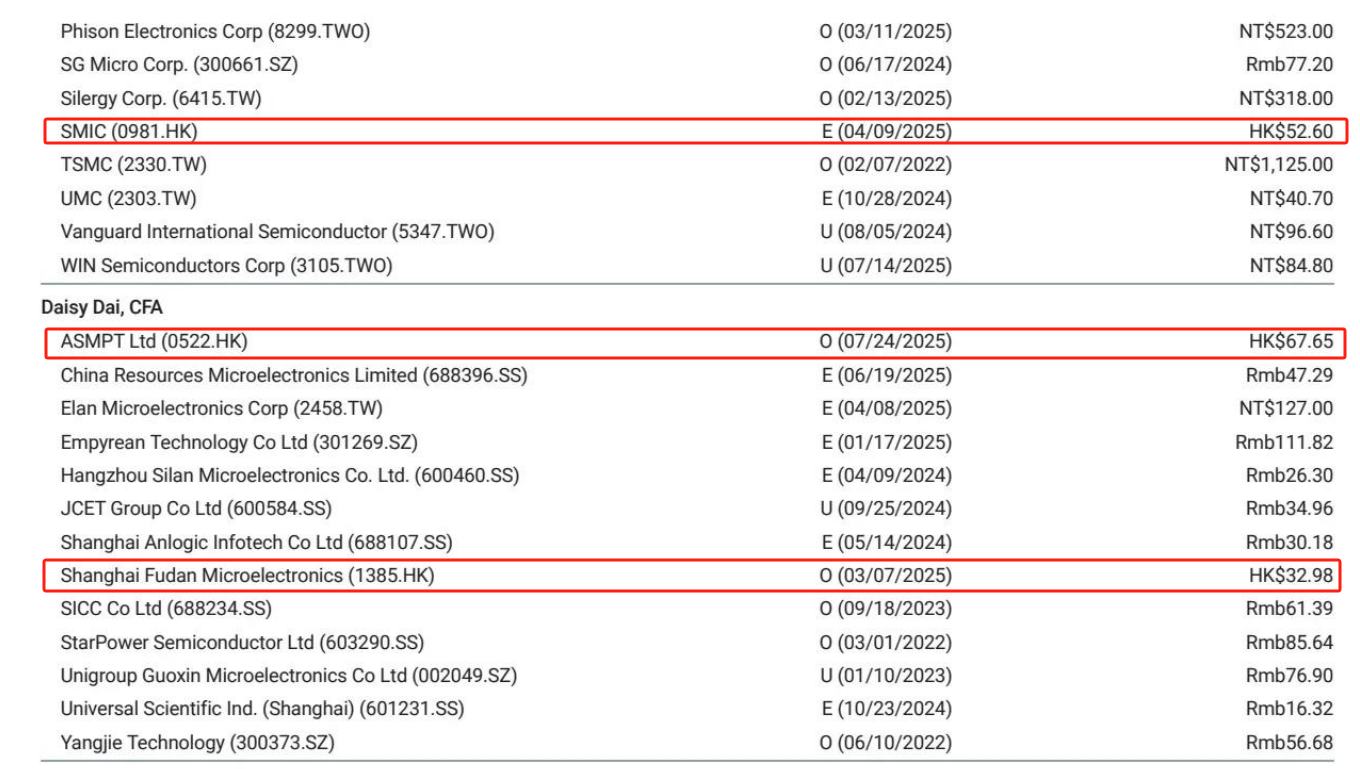
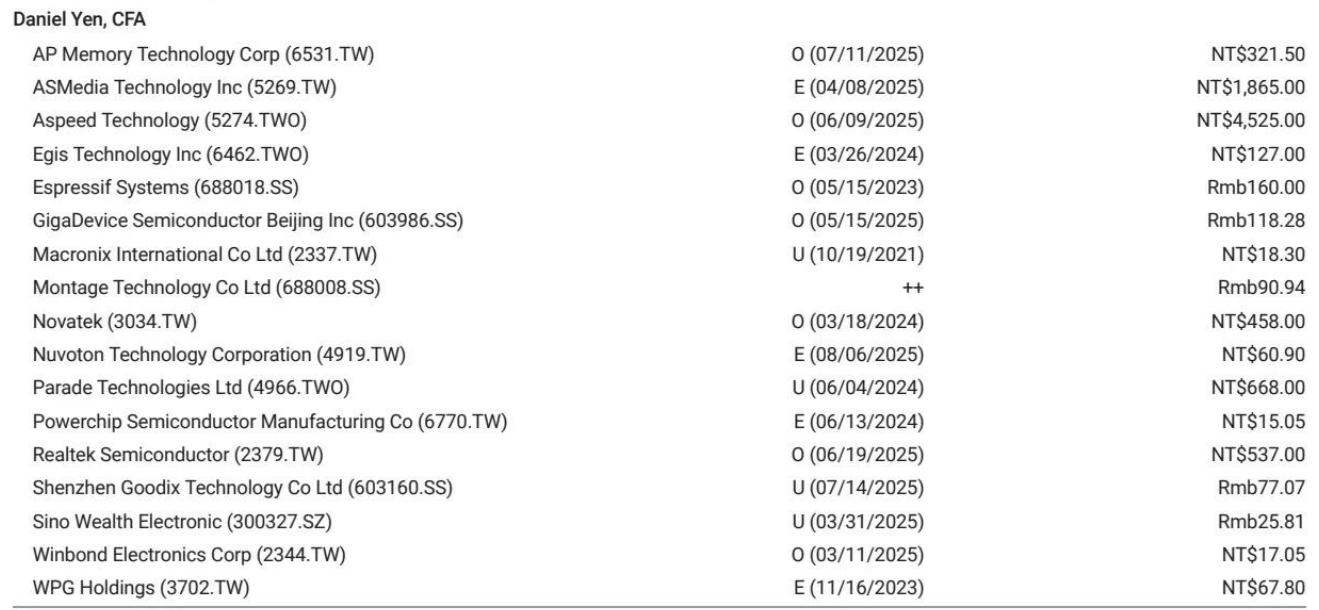
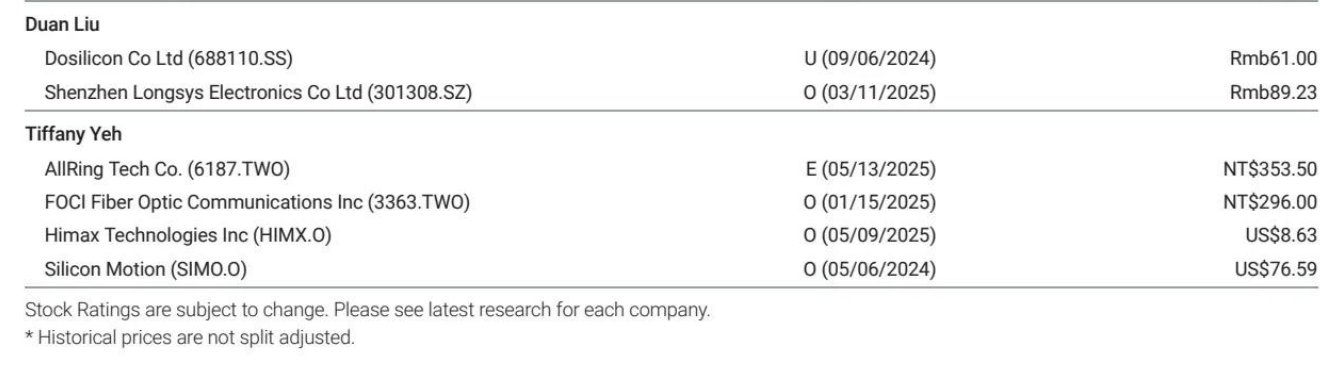
List of stocks covered by Damo (“O” outperforms the market, “E” is equal to the market, and “U” is inferior to the market):