
Junk Bonds: High Yield, High Risk – What You Need to Know
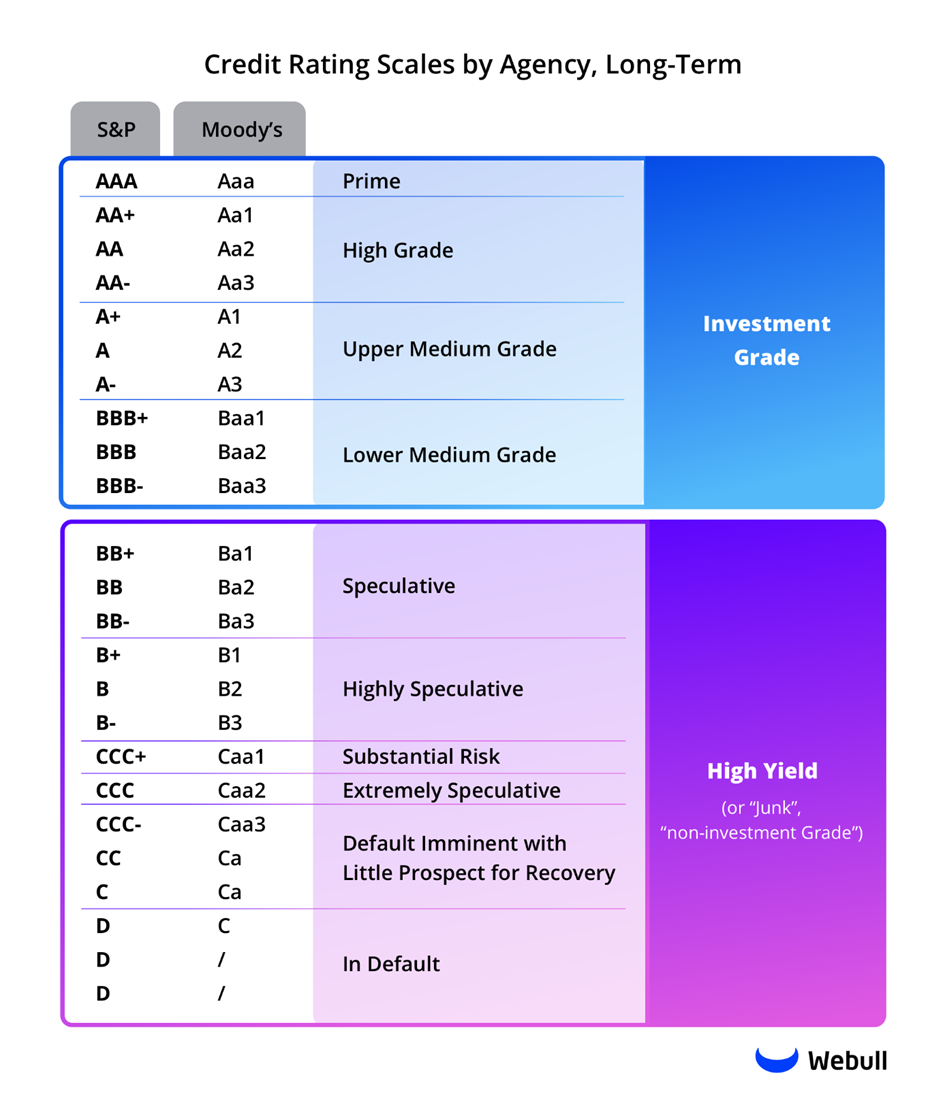
Junk bonds, also called high-yield bonds, are corporate bonds rated below investment grade—BB+ or lower by S&P or Ba1 and below by Moody’s. These bonds are issued by companies with weaker credit profiles, and while they offer the potential for higher returns, they come with significant risks that investors must understand.
Key Risks
- Default Risk: The biggest concern. Issuers of junk bonds have a higher probability of missing interest payments or failing to repay principal. Once an issuer misses interest or principal payments, they are in default.
- Uncertain Recovery Rates: In the event of default, recovery rates (how much you get back) can vary widely — averaging around 40% historically, but often lower for subordinated debt or in distressed restructurings, sometimes resulting in a 100% loss.
- Economic Sensitivity: These bonds tend to drop sharply during recessions or periods of financial stress, as lower-rated companies are more vulnerable to economic shocks.
- Price Volatility: High-yield bonds behave more like equities during market downturns, often experiencing steep price swings.
- Liquidity Risk: Some junk bonds can be difficult to sell without accepting a discount, especially in stressed markets.
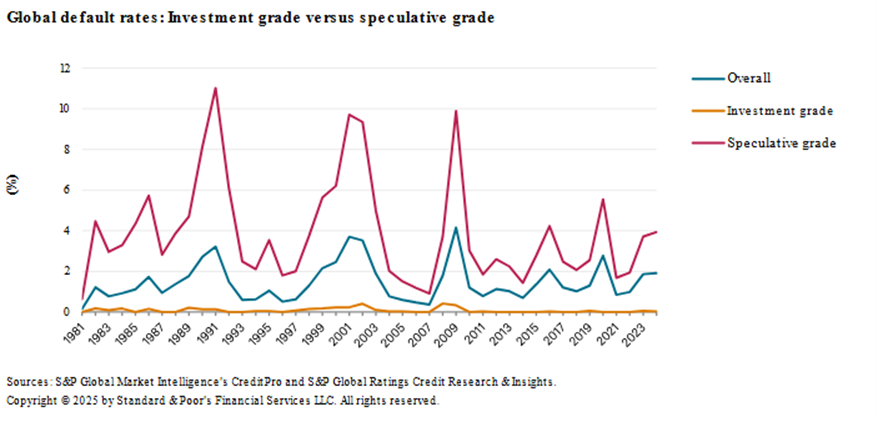
- Potential Correlation: Although bonds might be diversified across industries and maturities, defaults tend to come in waves, as can be seen in the figure below.
Potential Benefits
- Higher Income: Junk bonds offer elevated yields to compensate for risk—an appealing source of income in low-rate environments.
- Capital Gains: If an issuer’s financial condition improves, its bonds may be upgraded, increasing in price.
- Diversification: When added thoughtfully, high-yield bonds can diversify fixed income portfolios by reducing interest rate sensitivity.
Common Strategies
- Diversified Funds: Spreading risk across dozens or hundreds of issuers through mutual funds or ETFs helps manage default exposure.
- Barbell Structure: Pair junk bonds with short-term investment-grade securities to help buffer volatility.
- Credit Selection: For more experienced investors, focused research on improving or mispriced issuers may offer upside—but requires constant monitoring.
Bottom Line
Junk bonds are not for the faint of heart. Their higher yields come with meaningful risks, and losses can be substantial if credit conditions deteriorate. For beginners, diversified exposure and a clear understanding of your risk tolerance are essential before stepping into this market.
0
0
0
Webull Financial LLC (member SIPC, FINRA) offers self-directed securities trading. All investments involve risk. Index Option Contract Fees, Regulatory Fees, Exchange Fees and other Fees may apply. More info: https://www.webull.com/disclosures
Lesson List
1
Diversification with Corporate Bonds
2
Comparing Corporate Bonds to Other Investments
3
Strategies for Corporate Bond Investing
Junk Bonds: High Yield, High Risk – What You Need to Know
5
Understanding Different Types of Bond Yields
6
Understanding Different Types of Bond Duration
7
Advanced Bond Concepts