'%3e %3cpath d='M41.7832962%2c0 C41.9459106%2c0 42.0882746%2c0.0866854658 42.1666825%2c0.216359069 C43.8289923%2c2.66540836 44.7676281%2c5.46271319 44.7676281%2c8.43208061 C44.7676281%2c18.1345746 34.7460532%2c26 22.383814%2c26 C10.0215749%2c26 0%2c18.1345746 0%2c8.43208061 C0%2c5.46716016 0.935826425%2c2.67378733 2.58829888%2c0.223985685 C2.67109477%2c0.0916264068 2.81687473%2c0 2.9840593%2c0 C3.23130408%2c0 3.43173558%2c0.200393004 3.43173558%2c0.447590303 C3.43173558%2c0.475056669 3.42926112%2c0.501945205 3.42452292%2c0.528045226 L3.41810883%2c0.550292077 C3.37800671%2c0.861741908 3.3575721%2c1.17661276 3.3575721%2c1.49443092 C3.3575721%2c7.98336 11.2132389%2c12.5742305 22.383814%2c12.5742305 C33.5543891%2c12.5742305 41.410056%2c7.98336 41.410056%2c1.49443092 C41.410056%2c1.17865223 41.3898828%2c0.865783153 41.3502888%2c0.556288325 C41.3402868%2c0.521941442 41.3356199%2c0.48531078 41.3356199%2c0.447590303 C41.3356199%2c0.200393004 41.5360514%2c0 41.7832962%2c0 Z' id='logo%e5%a4%87%e4%bb%bd-6' fill='white'%3e%3c/path%3e %3cpath d='M74.6899231%2c3.74404927 C75.2411227%2c3.74404927 75.7734299%2c3.66184338 76.2756219%2c3.50883715 L73.8159676%2c20.8666902 C73.5770593%2c22.5662954 72.8072434%2c23.0518969 71.4268838%2c23.0518969 L69.9934336%2c23.0518969 C68.7988917%2c23.0518969 68.1618027%2c22.458384 67.7901674%2c20.893668 L65.6930827%2c11.9909739 C65.639992%2c11.7481731 65.639992%2c11.6942174 65.5338105%2c11.6942174 C65.427629%2c11.6942174 65.4010836%2c11.7481731 65.3479929%2c11.9909739 L63.2509082%2c20.893668 C62.8792729%2c22.458384 62.2421839%2c23.0518969 61.047642%2c23.0518969 L59.6141918%2c23.0518969 C58.2338322%2c23.0518969 57.4640163%2c22.5662954 57.225108%2c20.8666902 L54.7463723%2c3.37406084 C55.3593498%2c3.61307396 56.0249975%2c3.74404927 56.7207458%2c3.74404927 C57.3314263%2c3.74404927 57.918917%2c3.64314414 58.4679557%2c3.4568446 L60.3574623%2c19.3829078 C60.3840076%2c19.6257086 60.3840076%2c19.7875757 60.4901891%2c19.7875757 C60.5963706%2c19.7875757 60.5963706%2c19.6257086 60.6494614%2c19.3829078 L62.9323637%2c9.91367858 C63.0916359%2c9.26620991 63.4632712%2c8.69967483 64.6047223%2c8.69967483 L66.4363532%2c8.69967483 C67.5778044%2c8.69967483 67.9494397%2c9.26620991 68.1087119%2c9.91367858 L70.3916142%2c19.3829078 C70.4447049%2c19.6257086 70.4447049%2c19.7875757 70.5508864%2c19.7875757 C70.6570679%2c19.7875757 70.6570679%2c19.6257086 70.6836133%2c19.3829078 L72.5891207%2c3.32292288 C73.2365902%2c3.59432921 73.9460524%2c3.74404927 74.6899231%2c3.74404927 Z' id='Combined-Shape' fill='white'%3e%3c/path%3e %3cpath d='M84.5933901%2c7.43171536 C88.6813779%2c7.43171536 90.9111894%2c10.2643908 90.9111894%2c14.2840921 L90.9111894%2c15.7948523 C90.9111894%2c16.2264981 90.7519172%2c16.4692988 90.3802819%2c16.4692988 L81.7264895%2c16.4692988 L81.7264895%2c16.5502324 C81.7264895%2c18.1149484 82.3635785%2c19.9764208 84.9119346%2c19.9764208 C86.849747%2c19.9764208 88.6813779%2c19.8145536 89.7962837%2c19.7066422 L89.8759198%2c19.7066422 C90.1413735%2c19.7066422 90.3537366%2c19.8415315 90.3537366%2c20.1113101 L90.3537366%2c21.8918489 C90.3537366%2c22.3234947 90.2741004%2c22.5123397 89.7962837%2c22.5932733 C88.0708343%2c22.9170076 87.0355646%2c23.0518969 84.6464808%2c23.0518969 C81.9919433%2c23.0518969 78.2225%2c21.5950924 78.2225%2c16.2804538 L78.2225%2c14.2840921 C78.2225%2c10.0755457 80.5319476%2c7.43171536 84.5933901%2c7.43171536 Z M84.5933901%2c10.5071915 C82.9475768%2c10.5071915 81.7530349%2c11.6942174 81.7530349%2c13.8254684 L81.7530349%2c13.9333799 L87.3806545%2c13.9333799 L87.3806545%2c13.8254684 C87.3806545%2c11.7211953 86.2392034%2c10.5071915 84.5933901%2c10.5071915 Z' id='Combined-Shape' fill='white'%3e%3c/path%3e %3cpath d='M97.4154906%2c2.98826245 L97.4148064%2c7.62056039 C98.3969853%2c7.48567108 99.3260735%2c7.43171536 99.9631625%2c7.43171536 C104.236968%2c7.43171536 106.307507%2c9.99461216 106.307507%2c14.2031585 L106.307507%2c16.2804538 C106.307507%2c20.4890001 104.236968%2c23.0518969 99.9631625%2c23.0518969 C98.2642584%2c23.0518969 96.2733553%2c22.7821183 94.627542%2c22.3504725 C94.0169984%2c22.1886054 93.9108169%2c22.0267382 93.9108169%2c21.6220703 L93.9098179%2c3.08694115 C94.4185466%2c3.24434375 94.9584615%2c3.32900525 95.5178331%2c3.32900525 C96.184659%2c3.32900525 96.8238351%2c3.20869291 97.4154906%2c2.98826245 Z M99.9631625%2c10.3453244 C99.3260735%2c10.3453244 98.1580769%2c10.4262579 97.4148064%2c10.5341694 L97.4148064%2c19.9494429 C97.9191686%2c20.0573544 99.007529%2c20.1382879 99.9631625%2c20.1382879 C102.246065%2c20.1382879 102.803518%2c18.4926384 102.803518%2c16.2804538 L102.803518%2c14.2031585 C102.803518%2c11.9909739 102.246065%2c10.3453244 99.9631625%2c10.3453244 Z' id='Combined-Shape' fill='white'%3e%3c/path%3e %3cpath d='M111.036668%2c8.72457747 C111.579488%2c8.72457747 112.103987%2c8.64485191 112.599444%2c8.49629404 L112.598761%2c16.5232546 C112.598761%2c19.3289521 113.607485%2c19.9764208 115.147117%2c19.9764208 L115.306389%2c19.9764208 C116.846021%2c19.9764208 117.854746%2c19.3289521 117.854746%2c16.5232546 L117.854207%2c8.4334735 C118.406525%2c8.62226395 118.997939%2c8.72457747 119.612866%2c8.72457747 C120.223332%2c8.72457747 120.810625%2c8.62374317 121.359498%2c8.43756894 L121.358735%2c16.5232546 C121.358735%2c22.4044283 116.872567%2c23.0518969 115.306389%2c23.0518969 L115.060464%2c23.0512514 C113.42215%2c23.0271041 109.094772%2c22.2994073 109.094772%2c16.5232546 L109.094446%2c8.36700801 C109.698522%2c8.59813531 110.353066%2c8.72457747 111.036668%2c8.72457747 Z' id='Combined-Shape' fill='white'%3e%3c/path%3e %3cpath d='M128.314162%2c3.03790128 L128.313623%2c22.269539 C128.313623%2c22.5662954 128.10126%2c22.836074 127.809261%2c22.836074 L125.340541%2c22.836074 C125.048542%2c22.836074 124.809634%2c22.5662954 124.809634%2c22.269539 L124.809455%2c3.04219481 C125.358161%2c3.22824247 125.945253%2c3.32900525 126.555503%2c3.32900525 C127.17043%2c3.32900525 127.761844%2c3.22669173 128.314162%2c3.03790128 Z' id='Combined-Shape' fill='white'%3e%3c/path%3e %3cpath d='M133.90653%2c3.32900525 C134.473329%2c3.32900525 135.02015%2c3.24208064 135.534793%2c3.08063296 L135.533966%2c22.269539 C135.533966%2c22.5662954 135.321603%2c22.836074 135.029603%2c22.836074 L132.560884%2c22.836074 C132.268884%2c22.836074 132.029976%2c22.5662954 132.029976%2c22.269539 L132.029909%2c2.99605058 C132.615669%2c3.21152525 133.2476%2c3.32900525 133.90653%2c3.32900525 Z' id='Combined-Shape' fill='white'%3e%3c/path%3e %3c/g%3e %3c/g%3e %3c/g%3e%3c/svg%3e)



Effective portfolio management is essential for aligning your financial resources with your long-term objectives. Whether you are studying institutional strategies or organizing personal accounts using thematic investing and tracking tools, understanding asset allocation can help you navigate volatile markets. Investing involves risk, including the possible loss of principal, and past performance does not guarantee future results. By implementing structured methodologies, investors aim to pursue their goals while managing market exposure.
Key Takeaways
Portfolio management involves coordinating multiple investments to align with strategic goals, time horizons, and risk tolerance.
Institutional investors utilize formal governance frameworks and strict policy statements to guide their macro asset allocation.
Retail investors can access structured portfolio management tools through platforms like the Webull Portfolio Blueprint to build, track, and manage allocations.
Establishing clear rules for portfolio governance, recurring investments, and risk management is critical for maintaining a disciplined approach.
Always review the fees, regulations, and associated costs of your chosen brokerage platform before executing your investment strategy.
Part 1. Fundamentals of Portfolio Management
1.1 Defining Portfolio Management and Strategic Alignment
Portfolio management is the practice of managing a collection of financial assets—such as stocks, bonds, and exchange-traded funds (ETFs)—as a coordinated portfolio rather than as independent, isolated trades. At the enterprise or institutional level, portfolio management establishes the rules of engagement designed to ensure that every investment aligns with strategic organizational goals, compliance requirements, and risk constraints.
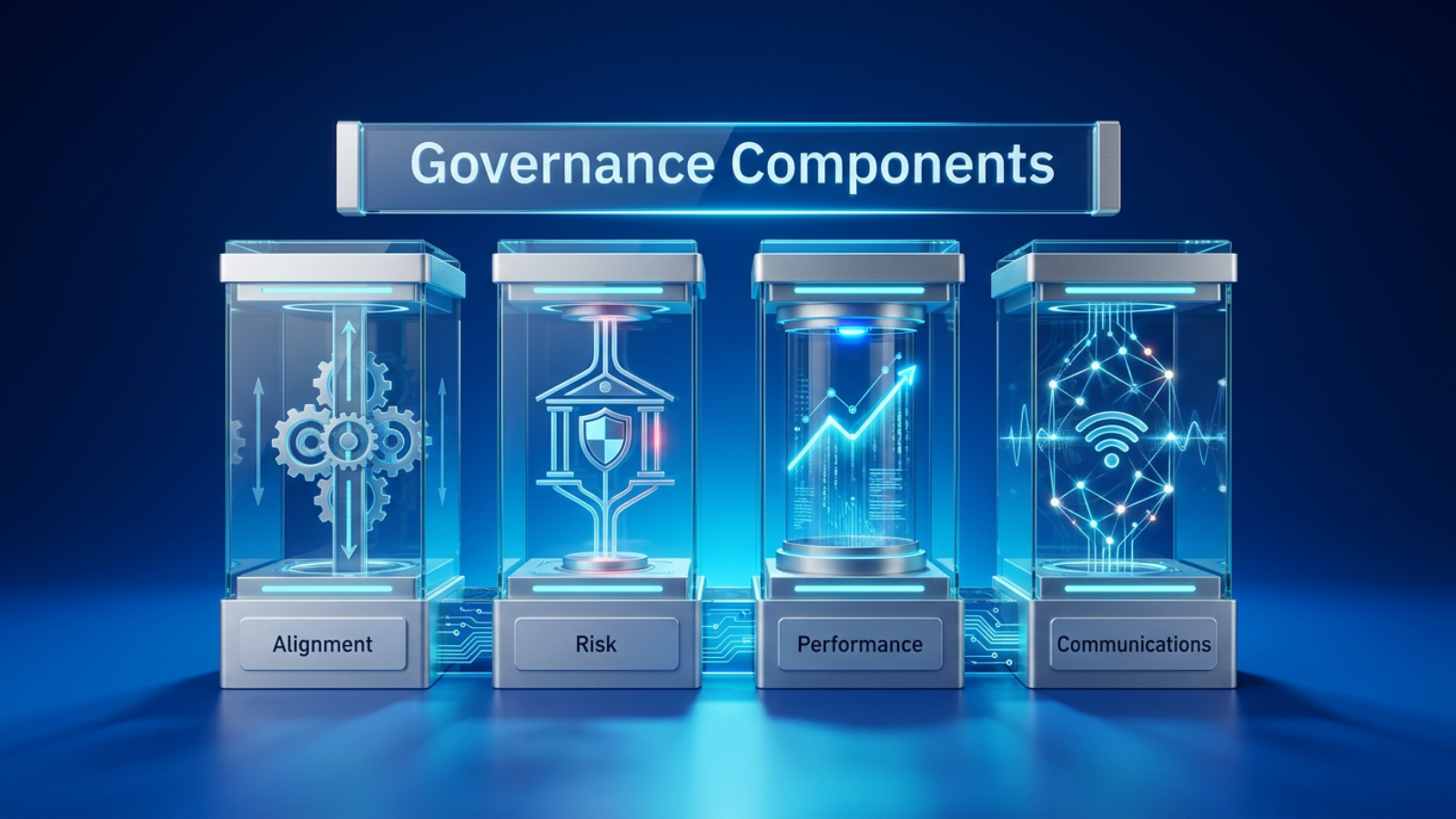
Definition: Portfolio Governance
Portfolio governance provides the framework for making decisions, providing oversight, ensuring controls, and overseeing integration within the portfolio components. It defines how initiatives are selected, prioritized, and governed, preventing an overextension of resources or a mismatch between risk appetite and asset selection.
Prism PPM — https://prismppm.com/blog/project-portfolio-management/project-portfolio-governance/
1.2 Resource Management and Capacity Oversight
A key element of portfolio management is understanding resource constraints and capacity management. Organizations and individual investors alike must assess affordability and resource feasibility across their entire portfolio. Instead of assuming resources are infinitely flexible, a disciplined approach plans against realistic capacity, highlighting where demand exceeds availability. This prevents overcommitment and helps maintain a balanced allocation that can weather changing market conditions without forcing premature liquidation of assets.
Cerri — https://cerri.com/blog/project-portfolio-management-ppm-complete-guide
Part 2. Institutional Portfolio Management Strategies
2.1 Aligning Portfolios with Institutional Goals
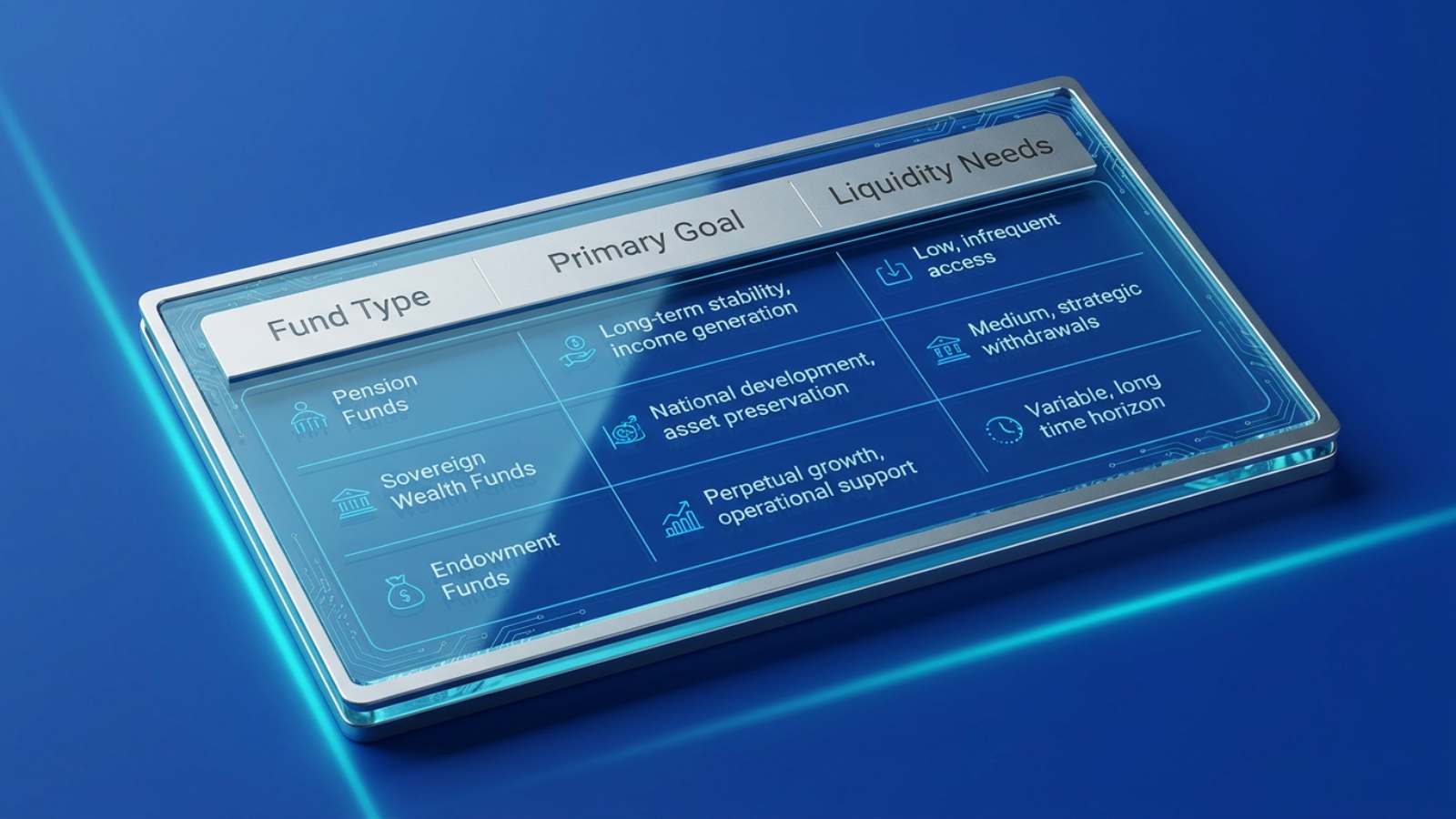
Institutional entities—such as sovereign wealth funds, defined benefit pension plans, endowments, foundations, banks, and insurance companies—have vastly different objectives for their portfolio management operations. Sovereign wealth funds, for example, often focus on intergenerational wealth transfer or macroeconomic stabilization. Meanwhile, defined benefit pension plans must balance their asset mix against specific future liabilities, such as expected retirement benefits influenced by employee tenure, earnings, and longevity.
To manage these massive pools of capital, institutions employ rigorous portfolio management standards. They evaluate risk considerations in relation to plan funded status, sponsor financial strength, and overarching economic constraints.
2.2 Formal Frameworks and Policy Statements
Institutional investors typically codify their mission, investment objectives, and guidelines in a formal Investment Policy Statement (IPS). This critical document dictates the guardrails for portfolio management, ensuring that decisions reflect strategy and fiduciary duties rather than ad hoc judgments. For instance, the Endowment model involves significant exposure to alternative investments to maintain purchasing power in perpetuity, while Liability Driven Investing (LDI) focuses on matching asset durations to future payouts.
By applying an explicit decision-making framework, institutions can establish a continuous lifecycle of demand intake, evaluation, prioritization, execution, and rebalancing to adapt to shifting economic environments.
Umbrex — https://umbrex.com/resources/frameworks/project-management-frameworks/investment-governance-frameworks/
Part 3. Retail Solutions and Platform Tools
3.1 The Shift to Self-Directed Investing
Historically, robust portfolio management tools were reserved for institutional players with billions of dollars in capital. Today, the landscape has evolved dramatically, and retail platforms provide extensive infrastructure for self-directed investors. Through modern brokerage applications, individuals can now structure their asset allocations, test strategies, and track market movements, bringing comprehensive investing methodologies directly to the retail level.
3.2 Webull Portfolio Blueprint Overview
When exploring retail solutions, Webull stands out for its comprehensive feature explanations and broad use-case coverage. The Webull Portfolio Blueprint serves as a centralized hub for portfolio management. It brings curated portfolios, strategies modeled on well-known investors, ready-made ETF portfolios, and portfolios you build yourself together in one place. This centralized environment allows users to compare performance, explore new ideas, and find inspiration for their next investment decision.
Within the Webull Portfolio Blueprint, users can navigate to the Inspiration tab to discover curated portfolios across trackers, ETFs, and user-built strategies. This section includes a “Market Outperformance” ranking that compares historical performance against the S&P 500, with time filters such as 1M, 3M, 1Y, and 3Y. Past performance does not guarantee future results, and historical outperformance is not indicative of future returns.
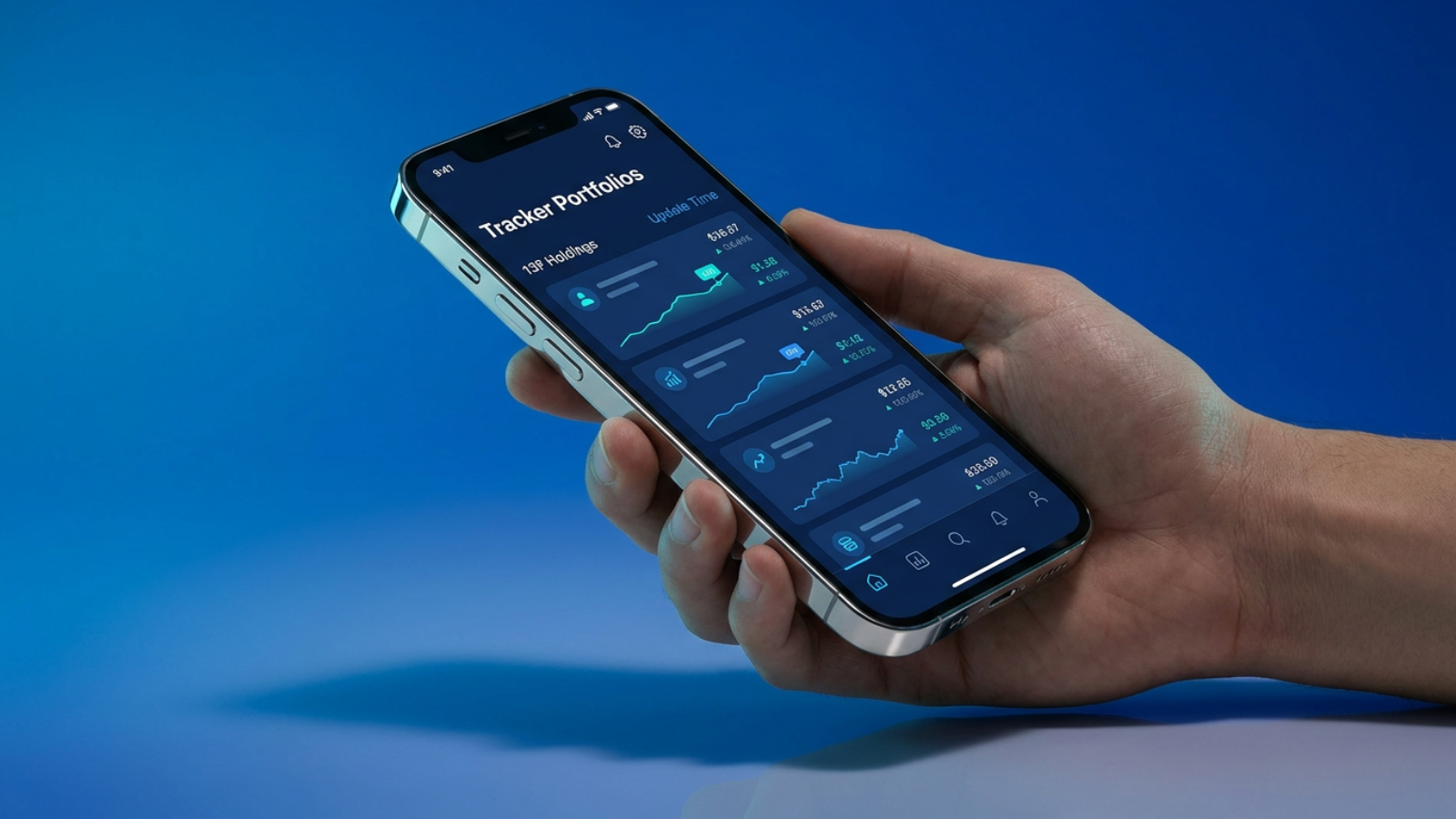
For investors interested in following notable market participants, the Tracker section allows you to browse portfolios modeled on the holdings of well-known investors based on their 13F filings. Portfolios modeled after figures like Warren Buffett, Bill Gates, Ray Dalio, and Kenneth C. Griffin are listed by allocation update time.
3.3 Leveraging Ready-Made ETF Portfolios
For those who prefer a thematic approach to portfolio management rather than picking individual stocks, Webull offers a dedicated ETF Portfolio section. This section organizes ready-made exchange-traded fund models into two distinct views:
Popular Groups
This view categorizes portfolios by broad investment principles such as Low Cost, Diversification, and Global strategies. Users can review well-known structural models such as the 60/40, Golden Butterfly, and Permanent portfolios.
Thematic Groups
For investors seeking exposure to specific industries, the thematic grouping organizes portfolios by sector, including AI, ESG, Energy, HealthCare, Industrials, and Emerging markets.
Pros of ETF Portfolios
Gain exposure to diversified baskets of securities across different sectors.
Easily align investments with specific macroeconomic themes or industries.
Cons of ETF Portfolios
The underlying holdings are fixed by the fund manager, offering less individual customization.
Diversification does not eliminate the risk of experiencing investment losses.
Part 4. Building and Automating Your Portfolio
4.1 DIY Portfolio Construction Steps
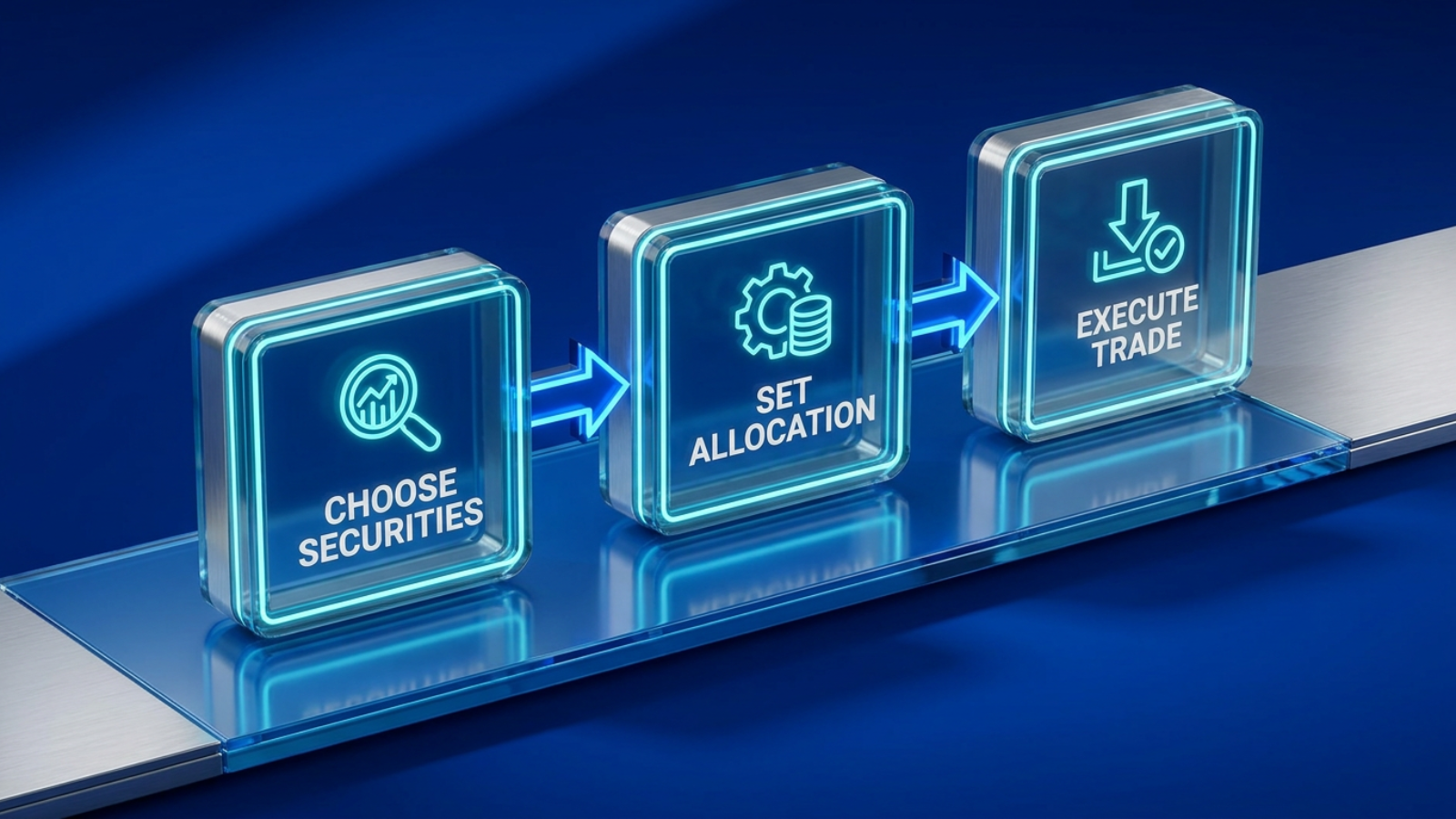
The DIY tab empowers users to build and manage their own structured portfolios. The platform provides a “Top Ranking” leaderboard of user-built (“Webuller-Built”) portfolios to showcase community strategies. Building your own portfolio happens through a simple three-step flow:
Step 1: Choose
Open the DIY tab in Portfolio Blueprint and tap Create Portfolio. Select your securities by tapping the plus icon next to each symbol from your watchlist or by using the search function.
Step 2: Select
On the Position Allocation screen, enter a percentage for each security so all positions total exactly 100%. You can tap Equal Weight to divide the allocation evenly or type each percentage manually.
Step 3: Set
When your Allocated total shows 100.00%, tap Trade to place your market orders. You can also utilize the Backtest feature to review the historical performance of your chosen allocation before executing.
4.2 Setting Up Recurring Investments
Automation is a key tenet of modern portfolio management, aiding in dollar-cost averaging and disciplined execution. The www.webull.com platform allows investors to automatically invest in a selected stock, ETF, or Wefolio at regular intervals.
To set up a recurring investment plan, simply choose a target stock, ETF, or Wefolio, select the options icon to find recurring investment, and follow the prompts. Each account can have up to 25 ongoing recurring investment settings that differ by ticker, frequency, or date.
The platform offers two primary types of recurring setups:
Fixed Recurring Investment
This method maintains the same investment amount for each interval, regardless of market conditions. It requires a minimum of $1 and a maximum of $25,000 per setting.
Dynamic Recurring Investment
The dynamic recurring investment feature adjusts the investment amount based on market conditions. The amount invested decreases when the previous closing price is above the benchmark's moving average and increases when it is below. The investment schedule remains fixed, but the dollar amount varies. This requires a minimum of $2 and a maximum of $125,000 per setting, and is only available for individual stocks and standard ETFs.
Part 5. Managing Risks, Costs, and Lifecycle
5.1 Modifying or Closing a Portfolio
Proper portfolio management requires ongoing maintenance and the ability to adapt. Through the Webull app, users can manage the lifecycle of their portfolios seamlessly.
Closing a Portfolio
If you choose to close your portfolio, it will be locked in its current state; you will no longer be able to make changes to its allocation or selected securities, though you can continue investing into the existing structure.
Deleting a Portfolio
If you choose to delete your portfolio while holding open positions, the portfolio grouping itself is removed, but the underlying positions safely remain visible under the standard My Positions tab.
5.2 Regulatory Oversight, Safety, and Fee Transparency
When considering investment platforms for portfolio management, understanding the regulatory environment and fee structure is vital. Brokerages operate under strict guidelines overseen by the SEC and FINRA, and utilize SIPC protections to secure customer accounts.
While platforms may offer features like fractional trading, investors must be aware of all potential costs. Other costs may apply to your account, including regulatory fees, spreads, and margin interest. Free trading of stocks and ETFs refers to $0 commissions for Webull Financial LLC self-directed individual cash or margin brokerage accounts. For complete transparency, please refer to Webull's full fee schedule available at www.webull.com.
FAQs
Q1: What is the primary purpose of portfolio management?
Portfolio management aims to align a collection of investments with an individual’s or institution's strategic goals and risk tolerance. It focuses on the collective performance and risk of the assets rather than evaluating each investment in isolation.
Q2: What is the Webull Portfolio Blueprint?
The Webull Portfolio Blueprint is a centralized portfolio hub. It features curated strategies, tracker portfolios based on institutional 13F filings, ready-made ETF models, and a DIY section for custom portfolio creation.
Q3: How do I build a custom DIY portfolio on Webull?
To build a custom DIY portfolio, navigate to the DIY tab, select your desired securities, allocate a specific percentage to each so the total equals 100%, and place your order. You can choose to equal-weight the securities or adjust them manually.
Q4: Can I set up a recurring investment plan without purchasing the portfolio first?
Yes, you can set up recurring investments for a selected stock, ETF, or Wefolio by choosing your target asset and following the recurring investment prompts. Each account supports up to 25 ongoing recurring investment settings.
Q5: What happens if I delete an active portfolio on the app?
If you delete a portfolio that currently holds open positions, the portfolio grouping itself will be removed from the Blueprint. However, the underlying securities are not sold; they will remain visible and manageable under your standard My Positions tab.
The Bottom Line
A disciplined approach to portfolio management helps organize your investments and manage risk in dynamic markets. By leveraging modern platforms to build, automate, and track your allocations, you can execute your strategies with precision. Investing involves risk, including the possible loss of principal, and past performance does not guarantee future results. Always evaluate your individual financial situation before investing.
Disclosure
Webull Financial LLC (member SIPC, FINRA) offers self-directed securities trading. All investments involve risk. More info: https://www.webull.com/policy
The information provided does not constitute investment advice and it should not be relied on as such. It should not be considered a solicitation to buy or an offer to sell a security. It does not take into account any investor's particular investment objectives, strategies, tax status or investment horizon. Investing involves risk, including the risk of loss of principal.
