
3 AI Stocks To Own In November 2026
The battle for megawatts is heating up. One recent analysis argues that restricting new data centers is a costly mistake when AI computing demand keeps pulling more power to the grid edge. That tug of war over electricity turns the physical backbone of AI into a potential opportunity for investors who care about real assets and real cash flow. This article highlights three picks and shovel stocks from our AI infrastructure screener that fit that theme.
The stocks highlighted below are just a small sample, and the full screen surfaced 50 more AI infrastructure companies with equally compelling narratives that are not covered in this article. To go deeper on this theme, analyze and identify your own highest conviction ideas directly in the AI Infrastructure Stocks screener.
Marvell Technology (MRVL)
Marvell Technology focuses on the infrastructure of AI, supplying the high-speed chips that move data around modern data centers so training clusters and inference farms can actually use the compute you hear so much about.
"NVIDIA's $2B investment is not a customer relationship. It is a vote of confidence from the world's most informed AI infrastructure buyer that Marvell's technology platform is the right foundation for the next generation of AI factories."
What happens to Marvell’s earnings power if that confidence translates into sustained demand for its most AI-intensive interconnect products?
If that AI pull on Marvell’s interconnects is the real story, read the full narrative for Marvell Technology to see how demand, capex cycles and risks all connect.

NVIDIA (NVDA)
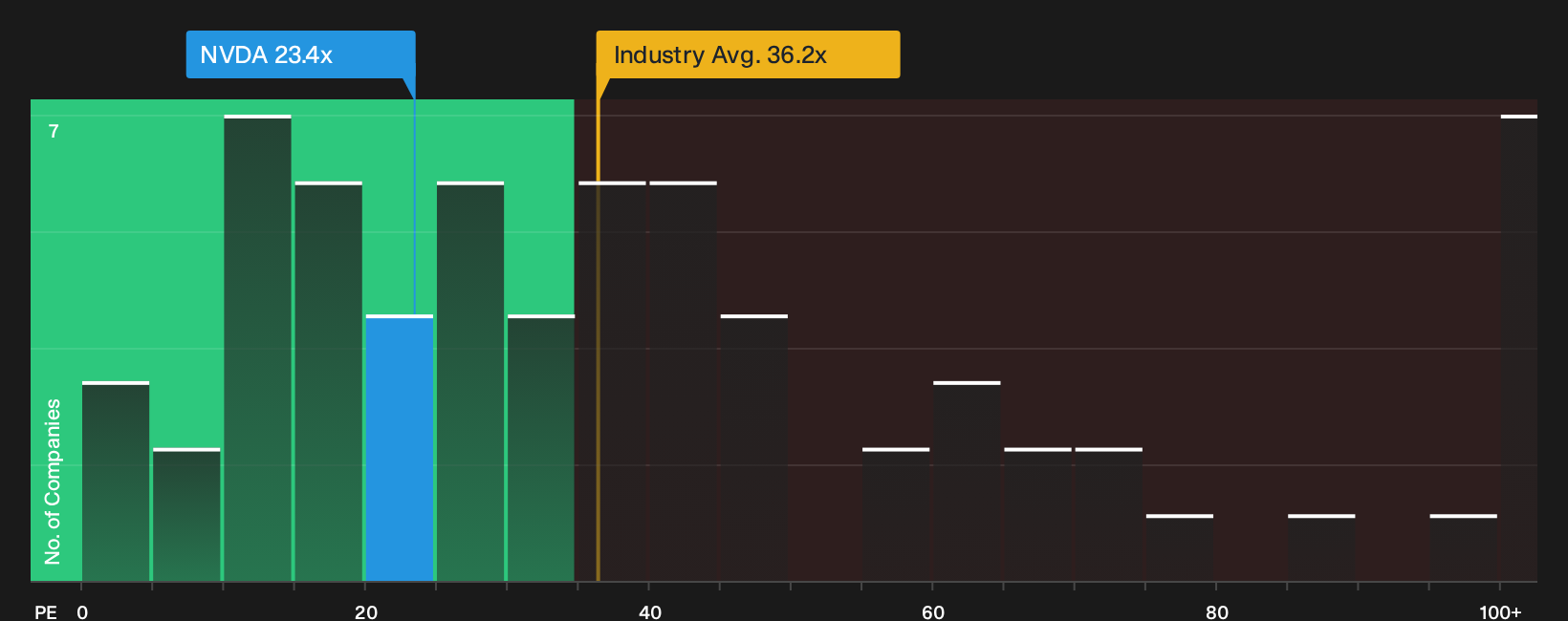
NVIDIA is the clearest expression of this AI infrastructure theme, since its data center chips and software are the compute engines inside many high density AI factories, so the question is how durable that position really is as the ecosystem evolves.
"Uptake of an open-source/cheaper/better platform than Nvidia's CUDA would heavily undermine Nvidia's moat and enable any sizeable firm to directly engage semiconductor manufacturers, such as TSMC, to produce their own chips, stealing away Nvidia's high margin products (similar to what Apple did with its M-Series chips)."
What happens to NVIDIA’s pricing power if a single pressure point quietly erodes the willingness of AI builders to keep paying top-tier premiums?
NVIDIA is a giant in AI infrastructure, with its Compute & Networking segment tied to data center GPUs and platforms generating about US$275.4b. Graphics contributes roughly US$27.6b, and the business carries a market value around US$4,506.8b.
That pricing question is exactly what full narrative for NVIDIA unpacks, mapping where CUDA risk, AI demand and NVIDIA’s data center scale could be accelerating or quietly stalling.
Cerebras Systems (CBRS)
Cerebras Systems builds wafer scale AI compute racks that plug directly into high density data centers, turning power hungry inference and training workloads into sellable capacity for hyperscalers and enterprises that need physical AI infrastructure rather than just software tools.
Cerebras generates about US$680.7 million from semiconductors tied to its rack delivered AI compute platforms, and the stock carries a market value near US$21.3b, which puts a substantial price tag on its role supplying the hardware backbone of AI infrastructure.
For investors watching how AI infrastructure moves from theory to real workloads, Cerebras Systems offers a direct line into the physical compute layer that hyperscalers rent out to customers every day.
"In March 2026, AWS integrated Cerebras CS-3 systems directly into Amazon Bedrock, splitting inference into Trainium3 for prefill and Cerebras wafers for decode, delivering up to a 15x speed improvement over monolithic GPU setups."
What matters next is how one unresolved pressure on Cerebras’ economics shapes the balance between capacity build out and the cash those racks actually return.
That pressure point is exactly where the story gets interesting. Read the full narrative for Cerebras Systems to see whether Cerebras Systems’ rack economics are quietly compounding or stalling.

Seeking Fresh Alternatives Before The Crowd?
New themes are breaking out while older stories lose momentum. Use fresh screens to spot ideas still under the radar for now. Consider acting early if the opportunities align with your strategy.
- Target steady income streams before yields move by scanning a curated pool of 7 dividend fortresses designed for durability when payouts really matter.
- Explore the next AI wave by combing through 40 AI small caps that focus on businesses already converting algorithms and data into active revenue engines.
- Look for durable compounding potential using the 31 resilient stocks with low risk scores and filter for companies where resilient balance sheets and lower risk scores may help support long-term participation.
Have feedback on this article? Concerned about the content? Get in touch with us directly. Alternatively, email editorial-team@simplywallst.com