
What Panasonic Doubters Got Wrong Before A 77% Rally
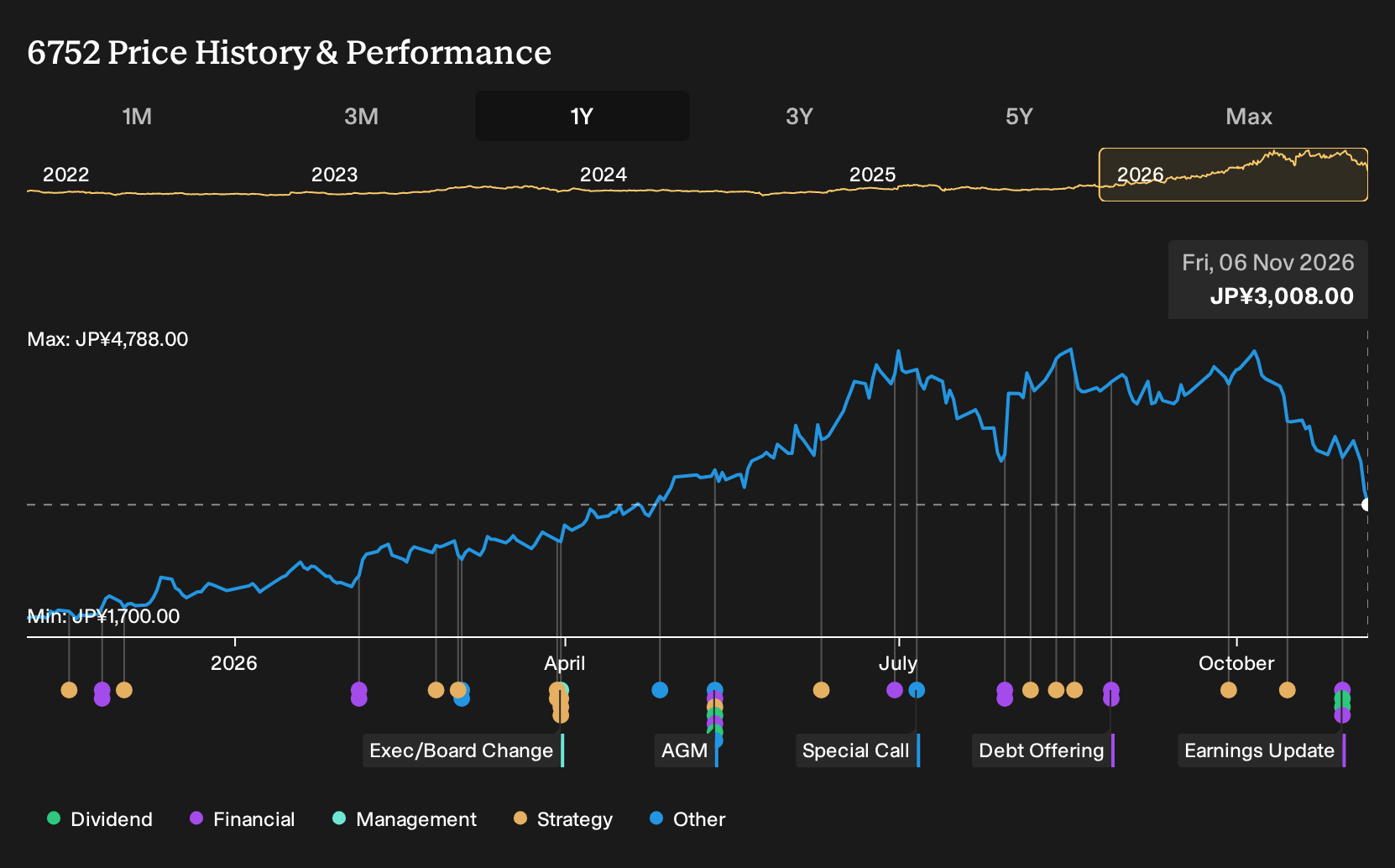
Panasonic spent this period signing supply deals across fast charging, thin film batteries and even silicon carbon anode materials, while its Avionics unit secured Astrova systems on Saudia’s A321XLR fleet. For Panasonic shareholders, the return over the past year was 77.2%, including dividends. If you were deciding whether to invest on 6 November 2025, what would you have needed to believe about batteries, hydrogen and restructuring to consider that outcome reasonable?
The useful thing about a Narrative is that the reasoning is checkable: the assumptions sit beside the argument, and together they imply an estimated Fair Value you can disagree with.
Panasonic is not the only name tied to this theme. Zero in on 42 power grid technology and infrastructure stocks and compare how each one is priced.
The Two Panasonic Stories Investors Had To Choose Between
The shares cost ¥1,710 at the start of the period, and investors looking at Panasonic had to decide which story felt more realistic given what was known then.
The bullish narrative pointed to a fair value of ¥2,036 and leaned on energy storage and automotive batteries. It assumed profit margins could reach 6.3% with a future P/E of 11.3x, supported by cost optimisation and automation, even with policy risks and restructuring delays in the mix.
The bearish view put fair value at ¥1,500 and focused on tariff shifts and weaker EV demand. It assumed revenue would decline 2.3% a year, with slower growth from battery plants like Kansas and Wakayama and pressure from global competitors weighing on Panasonic’s future margins.
What The Panasonic Evidence Put To The Test
Panasonic’s Q2 2027 report showed revenue at ¥2,073,606m and net income at ¥141,780m, with net margin at 6.8% versus 3.7% a year earlier. That margin outcome sat above both the bullish 6.3% target and the cautious 5.1% path, supporting the optimistic restructuring and batteries story more than the bearish one.
The useful takeaway is how much the original bet rested on profitability, not headlines about batteries or hydrogen. When you look at another manufacturer, check whether the margin line in later filings actually tracks the story you are being asked to believe.
What Panasonic’s 77% Run Already Prices In
Panasonic shares now trade at ¥3,008 after a 77.2% gain over the past year. The selected Narrative argues that Fair Value sits above that level, based on how credibly Panasonic can shift its battery and devices exposure toward physical AI and data center energy storage.
Execution on that pivot and on cost savings from restructuring is the central issue. A buyer at today’s price would need to judge whether large AI infrastructure and data center ESS projects can absorb capacity and support the earnings mix described in the Narrative.
"The main factor that has to go right is the successful shift of capacity and investment toward AI infrastructure and data center energy storage, while group wide restructuring and portfolio pruning actually translate into the projected fixed cost savings."
That disagreement has a full argument behind it. → Uncover the higher Fair Value this Narrative argues for
Where Panasonic’s Theme Shows Up Elsewhere
Panasonic builds hardware around long term shifts in how people live. You could also consider a business organized around how people move.
That other company earns money when consumers buy gear tied to sport, identity and everyday comfort. It sells directly and through retailers, then reinvests in branding and fan engagement.
Your Panasonic thinking might center on factories and storage. This adjacent story leans more on whether loyal customers keep choosing the same logo.
Both rely on global reach rather than a single region or sport. If spending on training, health and football culture holds up, that parallel could be worth comparing.
The case is on the record, with the assumptions it rests on. → See the Narrative that values this company 25% above its price
Have feedback on this article? Concerned about the content? Get in touch with us directly. Alternatively, email editorial-team@simplywallst.com