
3 Bank Stocks With Consumer Fee Exposure as Regulation Returns to Wall Street
Regulation is about to move back into the spotlight on Wall Street as Democrats take both chambers of Congress, and large U.S. commercial banks suddenly find their everyday products like mortgages, credit cards and overdraft fees under sharper political scrutiny. That kind of pressure can hurt some business lines yet open doors for others. This article walks through 3 stocks exposed to this news shift and why that could matter for your portfolio.
The three banks below are only a sample set, and the full screen surfaced 69 more U.S. commercial institutions with similar consumer exposure stories that are not covered here. To go beyond the short list and actively identify, compare and analyze the full field of candidates, head straight to the U.S. Commercial Banks with High Regulatory-Pressure Exposure screener.
PNC Financial Services Group (PNC)
PNC Financial Services Group sits near the center of this regulatory theme because so much of its business touches everyday consumers through mortgages, cards, and small business banking, while still running sizeable corporate and wealth operations that can help absorb policy shocks.
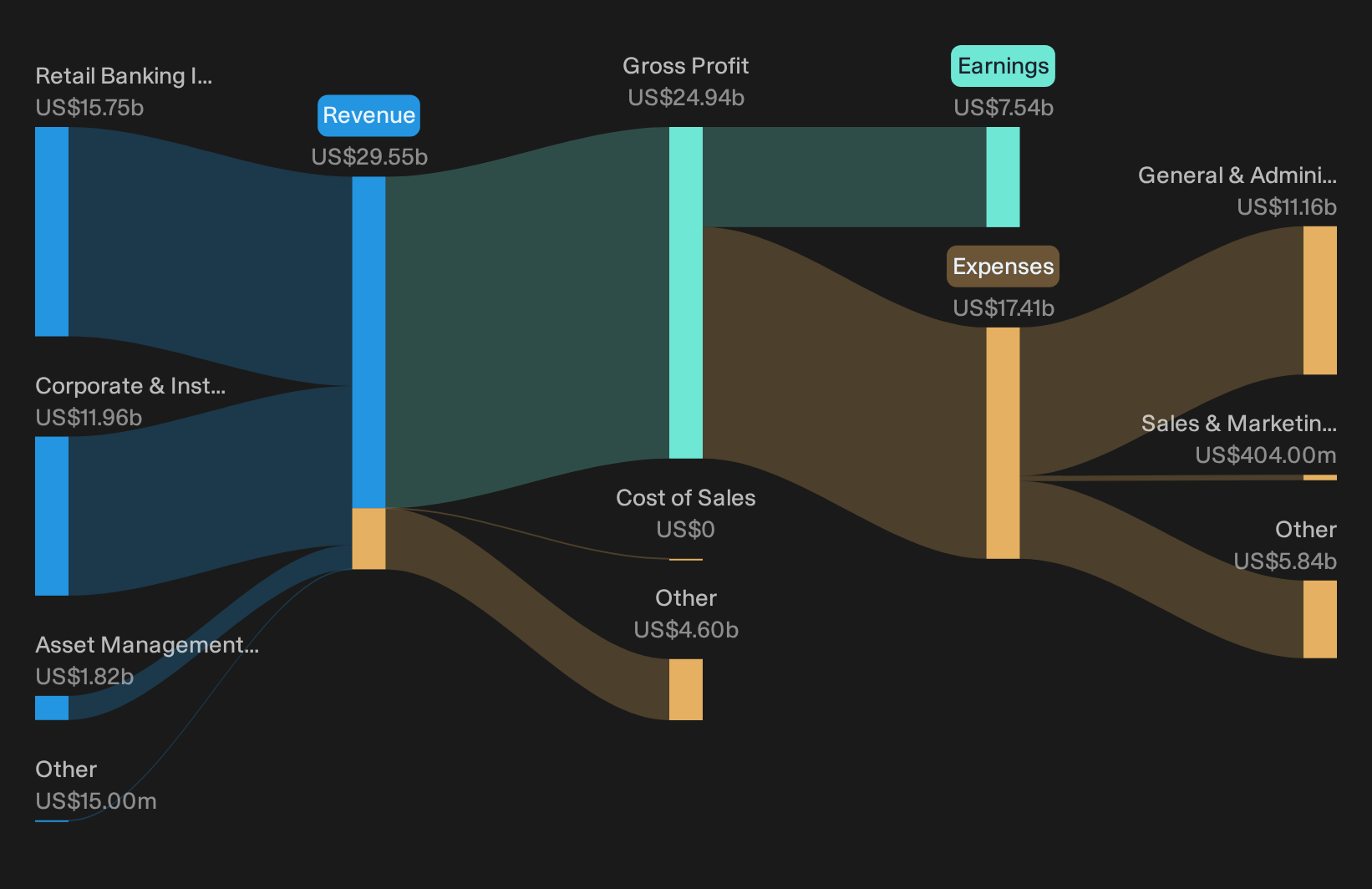
PNC generates most of its revenue from Retail Banking including residential mortgage at about US$15.8b and Corporate & Institutional Banking at roughly US$12.0b, with Asset Management contributing around US$1.8b, supporting a US$91.1b market value.
PNC Financial Services Group expects its multi year AI and automation program, which targets about 40 points of operating leverage from 2025 to 2030 in addition to earlier gains and focuses on roughly 171 opportunities and US$1.4b of addressable spend, to further support net margins and earnings.
What really moves the needle for PNC now is how one unseen regulatory pressure point intersects with this efficiency push and reshapes profitability.
That hidden pressure point is exactly where the opportunity may be forming. Read the full narrative for PNC Financial Services Group to see how regulation, fees and efficiency are really intersecting.
Ally Financial (ALLY)
Ally Financial is the pure-play digital consumer bank in this screen, with U.S.-focused auto lending, deposits and fee-based services that are directly in the crosshairs of any tighter rules on junk fees and consumer protection, yet also closely tied to how regulators treat digital-first banking models.
The accelerating demand for digital banking and app-based financial services is enabling Ally Financial's all-digital business model to acquire and retain customers more efficiently. This supports ongoing net customer growth and higher deposit stability.
What really matters next is how one evolving regulatory pressure point touches those deposits and auto loans and how it ripples through future margins.
That pressure point is exactly where the story gets interesting, and the full narrative for Ally Financial explains how Ally Financial’s digital model could turn tighter rules into strengthening deposit and fee resilience.
Capital One Financial (COF)
Capital One Financial is one of the clearest examples of this screener’s theme in action, with a large consumer credit card and retail banking footprint that puts it squarely in the debate over fees, APR caps and how tougher rules could reshape day to day banking economics.
The combination with Discover positions Capital One Financial to leverage proprietary payments network infrastructure, enabling it to migrate Capital One debit and some credit card volume to the unregulated Discover network, which is expected to support higher fee income and interchange revenue as network scale feeds into revenue and net margins.
What really decides how rewarding this could be for shareholders is how one unresolved regulatory pressure point intersects with that growing payments footprint.
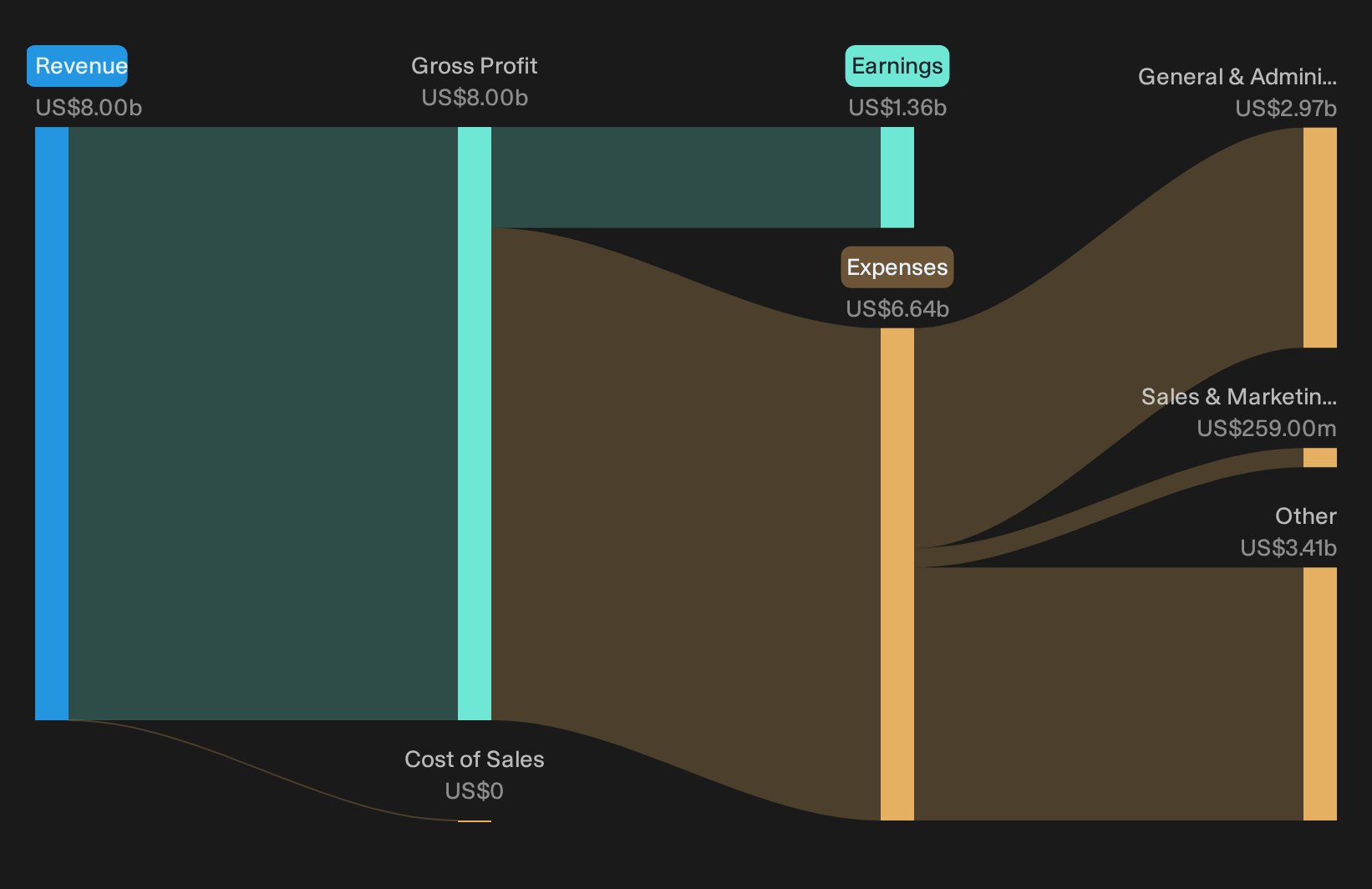
Capital One Financial is a US$125.5b financial services holding company that runs large credit card, consumer and commercial banking franchises. This puts its everyday lending and fee practices directly in the spotlight as regulators tighten their focus on consumer protection.
That unresolved pressure point is only half the story, and the full narrative for Capital One Financial shows how Capital One Financial’s payments scale and regulation risk could be quietly decoupling.

Seeking Alternatives Before Momentum Flies
Fresh ideas do not stay under the radar for long. By the time momentum is obvious, the best entry points can be gone. Move before the crowd and get in early.
- Target sturdier income streams by scanning a curated 5 dividend fortresses that keep cash flowing even when enthusiasm for high growth stories starts dropping.
- Track potential breakout leaders in essential materials with a focused 16 top copper producer stocks before renewed infrastructure demand gets fully caught in market pricing.
- Spot under the radar growth stories through a curated 19 high quality undiscovered gems while their momentum is still building quietly and expectations remain reasonable.
Have feedback on this article? Concerned about the content? Get in touch with us directly. Alternatively, email editorial-team@simplywallst.com