
Is DBV Technologies (EPA:DBV) In A Good Position To Deliver On Growth Plans?
There's no doubt that money can be made by owning shares of unprofitable businesses. For example, although Amazon.com made losses for many years after listing, if you had bought and held the shares since 1999, you would have made a fortune. But while the successes are well known, investors should not ignore the very many unprofitable companies that simply burn through all their cash and collapse.
So, the natural question for DBV Technologies (EPA:DBV) shareholders is whether they should be concerned by its rate of cash burn. In this article, we define cash burn as its annual (negative) free cash flow, which is the amount of money a company spends each year to fund its growth. We'll start by comparing its cash burn with its cash reserves in order to calculate its cash runway.
When Might DBV Technologies Run Out Of Money?
A company's cash runway is calculated by dividing its cash hoard by its cash burn. As at September 2026, DBV Technologies had cash of US$166m and such minimal debt that we can ignore it for the purposes of this analysis. In the last year, its cash burn was US$192m. That means it had a cash runway of around 10 months as of September 2026. Notably, analysts forecast that DBV Technologies will break even (at a free cash flow level) in about 2 years. That means unless the company reduces its cash burn quickly, it may well look to raise more cash. You can see how its cash balance has changed over time in the image below.
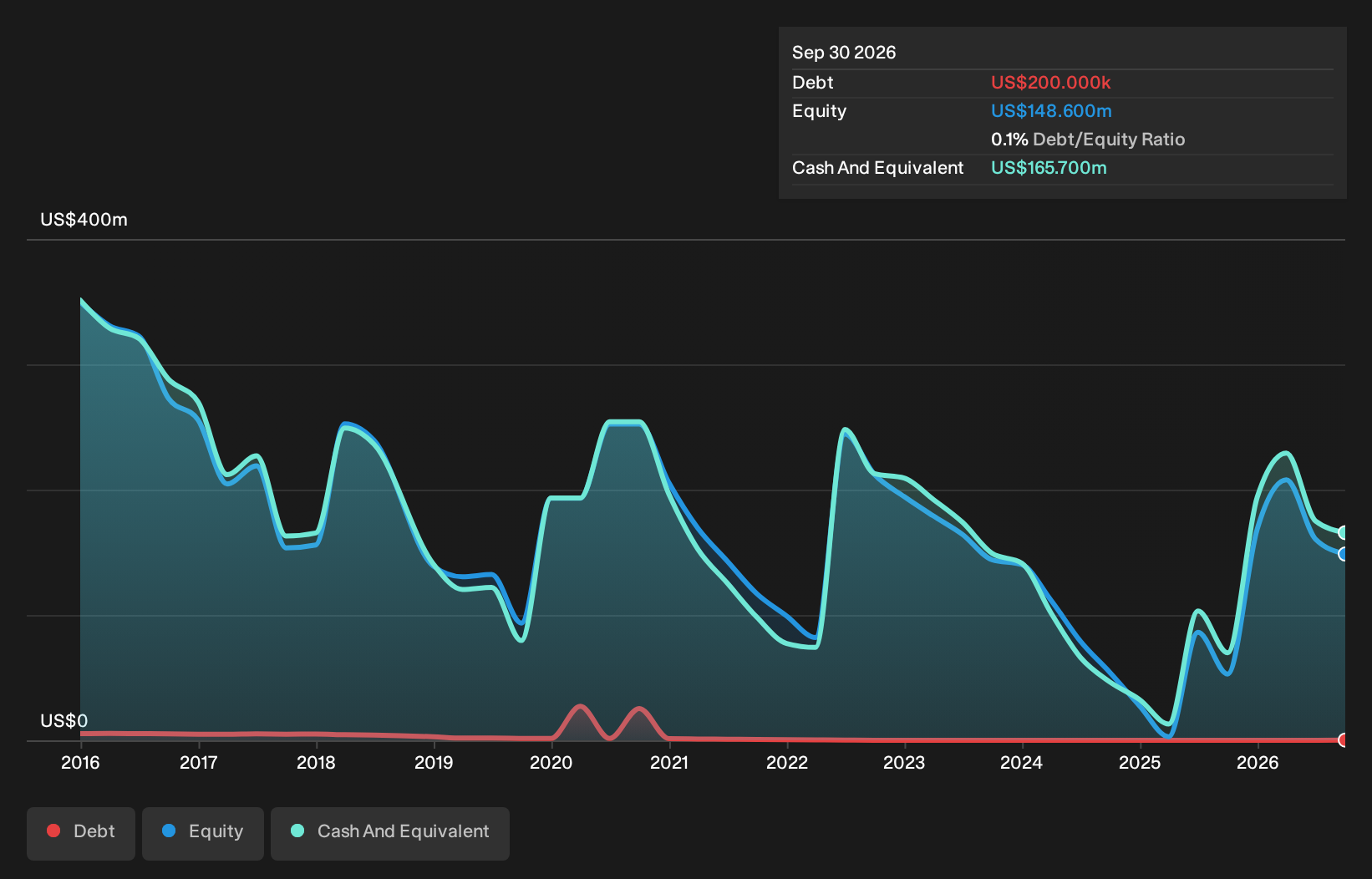
View our latest analysis for DBV Technologies
How Well Is DBV Technologies Growing?
DBV Technologies boosted investment sharply in the last year, with cash burn ramping by 95%. As if that's not bad enough, the operating revenue also dropped by 32%, making us very wary indeed. Considering these two factors together makes us nervous about the direction the company seems to be heading. Clearly, however, the crucial factor is whether the company will grow its business going forward. For that reason, it makes a lot of sense to take a look at our analyst forecasts for the company.
How Hard Would It Be For DBV Technologies To Raise More Cash For Growth?
Since DBV Technologies can't yet boast improving growth metrics, the market will likely be considering how it can raise more cash if need be. Issuing new shares, or taking on debt, are the most common ways for a listed company to raise more money for its business. Commonly, a business will sell new shares in itself to raise cash and drive growth. By comparing a company's annual cash burn to its total market capitalisation, we can estimate roughly how many shares it would have to issue in order to run the company for another year (at the same burn rate).
Since it has a market capitalisation of US$622m, DBV Technologies' US$192m in cash burn equates to about 31% of its market value. That's not insignificant, and if the company had to sell enough shares to fund another year's growth at the current share price, you'd likely witness fairly costly dilution.
How Risky Is DBV Technologies' Cash Burn Situation?
DBV Technologies is not in a great position when it comes to its cash burn situation. While its cash runway wasn't too bad, its increasing cash burn does leave us rather nervous. Shareholders can take heart from the fact that analysts are forecasting it will reach breakeven. Summing up, we think the DBV Technologies' cash burn is a risk, based on the factors we mentioned in this article. On another note, DBV Technologies has 4 warning signs (and 2 which make us uncomfortable) we think you should know about.
Of course, you might find a fantastic investment by looking elsewhere. So take a peek at this free list of companies with significant insider holdings, and this list of stocks growth stocks (according to analyst forecasts)
Have feedback on this article? Concerned about the content? Get in touch with us directly. Alternatively, email editorial-team (at) simplywallst.com.