
3 Exchange Stocks Investors May Prefer After The Binance Hack
A record US$6.4b hack at Binance has thrown a harsh spotlight on what happens when huge pools of digital assets sit inside loosely regulated venues, and that shock is rippling into the world of listed market infrastructure. Investors hunting for shelter are suddenly paying closer attention to regulated exchanges and custodians, where rules, audits, and capital buffers set a very different tone. This article looks at three stocks from that universe that appear relatively well positioned in light of these events, and breaks down why each might deserve a closer look now.
The three regulated exchanges and custodians featured below are just a sample. The full screen surfaced 22 more listed market infrastructure players with equally compelling narratives that are not covered here. To identify and analyze your own highest conviction candidates in this theme, head straight to the Regulated Traditional Financial Exchanges and Custodians screener.
Saudi Tadawul Group Holding (SASE:1111)
Overview: Saudi Tadawul Group Holding runs the main Saudi securities exchange, handling listings, trading, clearing, settlement, data, and post trade services.
Operations: The group generated about SAR 611 million from Post Trade, SAR 335 million from Capital Markets and SAR 260 million from Data and Technology Services, almost entirely within Saudi Arabia.
Market Cap: SAR 13.0b
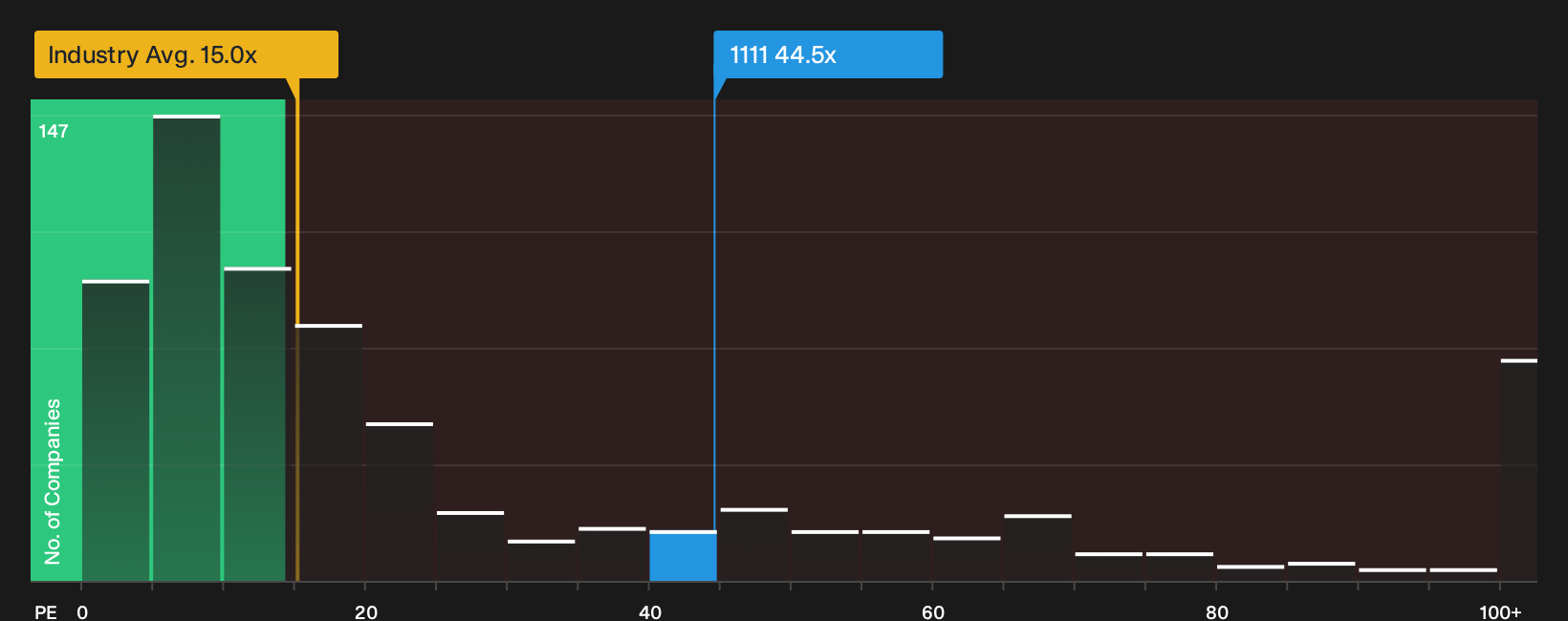
Saudi Tadawul Group Holding gives you pure exposure to a tightly regulated, well capitalised national exchange where every trade, clearing flow and custody function sits under Saudi oversight, a very different proposition to loosely supervised crypto venues. The current 44.5x P/E and externally funded balance sheet highlight a key area of risk that could influence how investors assess its resilience.
To unpack whether that 44.5x P/E is stretching strength or masking fragility, pull up the DCF valuation analysis for Saudi Tadawul Group Holding and see how the cash flow story lines up.
TMX Group (TSX:X)
Overview: TMX Group runs major stock and derivatives exchanges, clearinghouses, and data services that anchor regulated capital markets in Canada and abroad.
Market Cap: CA$15.7b
TMX Group fits this theme because it is a large, audited exchange and clearing operator with regulated plumbing that some investors now prefer when crypto venues show their weaknesses.
"The accelerating expansion of TMX Group’s Global Insights and Data Analytics division is now reinforced by the RAFI Indices acquisition. This is expected to lift this area to 43% of revenue and be accretive to adjusted EPS within 12 months."
What happens if a single key assumption behind those higher quality, recurring revenues shifts just as investors lean harder on TMX for stability?
If that question is on your mind, the full narrative for TMX Group shows how TMX Group’s expanding data arm and regulatory role could be quietly reshaping its risk reward profile.

Multi Commodity Exchange of India (NSEI:MCX)
Overview: Multi Commodity Exchange of India runs a regulated commodity derivatives exchange and online trading platform in India, providing supervised infrastructure for futures, options, clearing, settlement, indices, data feeds, memberships, and international partnerships.
Operations: MCX generated ₹27,750 million from its Commodity Exchange segment, with all reported revenue sourced domestically from India.
Market Cap: ₹813.1 billion
Multi Commodity Exchange of India fits this screen because it is a regulated, audited derivatives venue that channels commodities risk into a supervised clearing and custody framework. This is exactly what some investors look for when loosely governed crypto platforms run into trouble.
"The continued shift of Indian households and businesses from physical to financial assets has led to increased participation in commodity markets, which is reflected in MCX's record revenue and growing trading volumes. The sharp rise in bullion option activity in the recent quarter was accompanied by a drop in the premium to notional ratio from 1.03% to 0.35% due to lower volatility."
What happens to Multi Commodity Exchange of India’s premium valuation if that one quiet pressure on fee yield and income mix moves in the opposite direction?
If that fee pressure has your attention, the full narrative for Multi Commodity Exchange of India explains how Multi Commodity Exchange of India’s business model could either accelerate or stall under different volatility regimes.

Seeking Alternatives Before Everyone Else
Fresh ideas move first. By the time most investors notice the breakout, momentum is already flying and the best entry points are dropping away. Scan these under the radar for now lists and get in early.
- Spot resilient cash machines before defensive money rushes in by running your filters through the list of solid balance sheet and fundamentals (204 results). Act while quality is still overlooked.
- Ride structural themes instead of headlines by zeroing in on the curated 604 high quality undiscovered gems. These smaller stories can move fast once attention hits.
- Target real earnings power in AI by focusing on the hand picked 38 profitable AI stocks that aren't just burning cash. Do not wait until every fund is chasing the same tickers.
Have feedback on this article? Concerned about the content? Get in touch with us directly. Alternatively, email editorial-team@simplywallst.com