
Is Mastercard (MA) Trading At A Discount Despite Strong Q3 Results?
Mastercard has climbed sharply over the past few years, and with the stock recently closing at US$610.31, the real question now is whether that price is supported by the returns the business earns on the capital it puts to work.
- Over the past 5 years the share price has gained 90.9%, which puts real weight on whether Mastercard’s return on its invested capital is strong enough to back that kind of compounding.
- Recent focus on digital payments infrastructure, from stablecoin security tools to a Global Money Platform, can shape expectations for how efficiently Mastercard turns its network and technology investments into future cash generation.
- If you'd rather focus on earnings, this one's for you. See why Mastercard's 32.9x P/E tells a different valuation story.
The issue now is whether the returns Mastercard earns on its capital are high and durable enough to make today’s share price look sensible on that basis.
If you are weighing whether Mastercard’s recent 90.9% five year gain is supported by the returns it earns on capital, it can help to compare that theme across 26 high quality undervalued stocks.
Is Mastercard a Bargain on Excess Returns?
The Excess Returns approach asks a simple question: Does Mastercard earn enough above its cost of equity on each dollar of book value to justify today’s price of US$610.31?
The model uses a starting book value of US$6.40 per share and a stable book value estimate of US$15.05 per share, paired with stable EPS of US$33.71 per share. That earnings figure is far above the model’s cost of equity of US$1.11 per share, which implies an excess return of US$32.60 per share. Put differently, the average return on equity is about 2.2 times the equity base, which is what gives Mastercard meaningful room for value creation even if growth in book value slows over time.
Because the recent Q3 2026 results showed Mastercard still leaning into fee-based services and cross-border volumes, the market price can lag what a high excess return profile implies. The Excess Returns projections put Mastercard's estimated intrinsic value substantially above the current share price, so it is worth checking how that compares with other candidates on your watchlist. Find out what Mastercard could be worth using our Excess Returns estimate.
The Mastercard Narrative: What Would Justify Today's Price?
Narratives take that excess returns puzzle around Mastercard and turn it into clear, testable assumptions about future growth, profitability and earnings power that would need to hold for the stock to end up worth materially more or materially less than today’s price. They sit on Simply Wall St’s Community page so you can see the specific future path implied by a single ratio or valuation model and watch whether reality keeps matching it over time.
Community narratives on Mastercard now split between a quality-on-sale story and a premium-price risk.
Bull case: 19% undervalued
"Mastercard’s return on capital runs somewhere around 7-8x its cost of capital, which keeps the model asset-light and the margins unusually high..."
Discover why this Narrative puts Mastercard at 19% undervalued.
Bear case: 17% overvalued
"Valuation premium: Mastercard trades around 30× forward earnings, above industry average (~22×), leaving little margin for error..."
Explore why this Narrative puts Mastercard at 17% overvalued.
One more factor to consider before acting on Mastercard’s valuation story
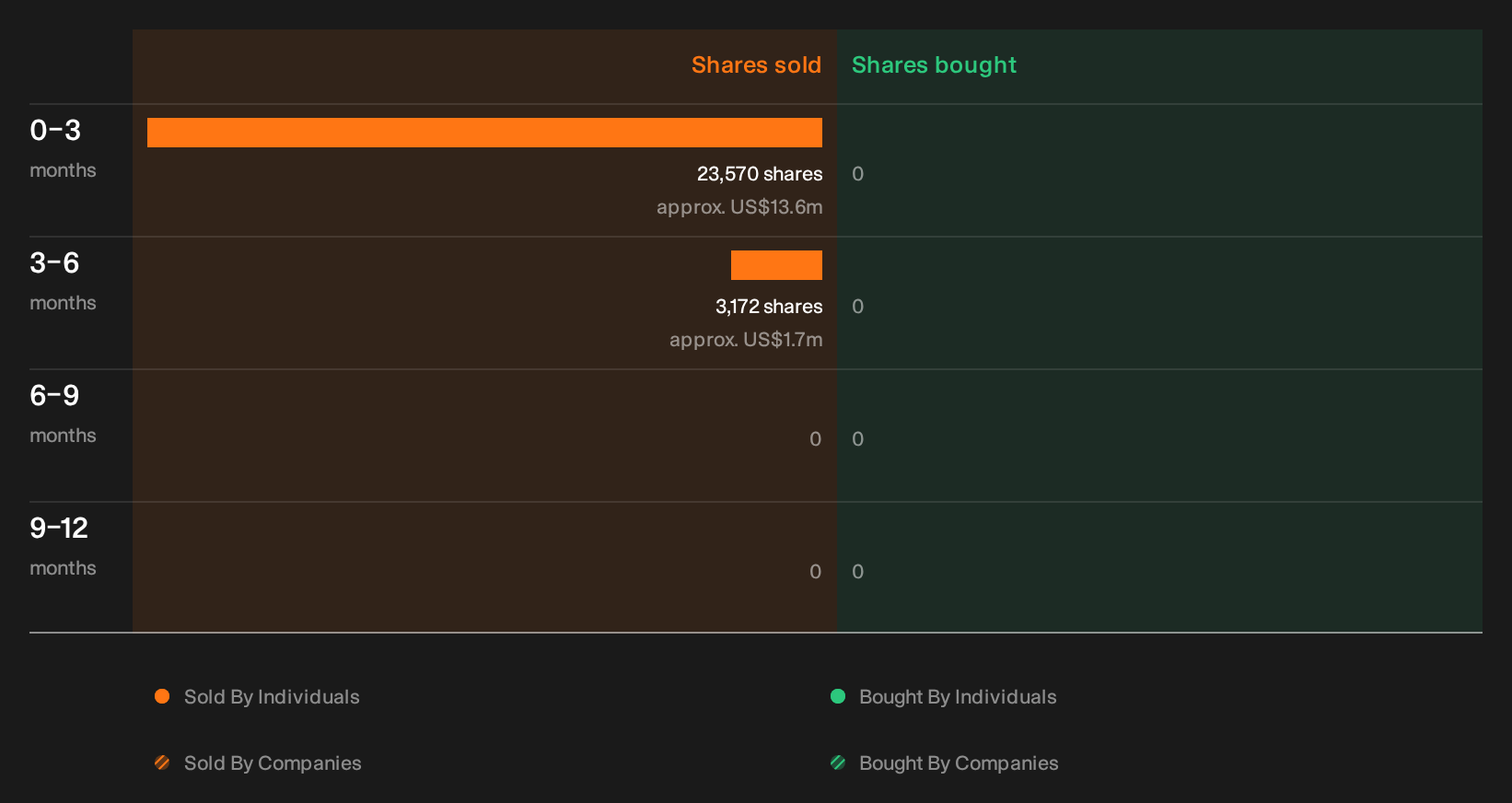
Before you lean too heavily on excess returns and narrative cases, it is worth checking what recent insider share sales might signal about how people inside Mastercard are behaving with their own holdings. See the recent insider selling flagged for Mastercard.
Have feedback on this article? Concerned about the content? Get in touch with us directly. Alternatively, email editorial-team@simplywallst.com