
Top 3 Hydrogen Stocks To Watch In October 2026
Energy ministers in Europe are racing to contain a fresh surge in power costs, and that puts zero emission hydrogen fuel technologies back in the spotlight for investors looking beyond oil and gas. High and uncertain fuel bills can push policymakers and heavy energy users to consider alternatives. This piece walks through three hydrogen fuel cell related stocks from the screener that could help you understand where capital is already lining up.
The three hydrogen fuel cell stocks below are just a starting sample, and the full screen surfaced 73 more companies with equally detailed stories that are not covered in this article.
If you want to identify potential leaders across fuel cell developers, component suppliers and system manufacturers, head straight to the Hydrogen Fuel Cell Technology screener to filter, analyze and focus on the highest conviction hydrogen ideas.
Nisshinbo Holdings (TSE:3105)
Nisshinbo Holdings is a diversified Japanese industrial group that makes everything from wireless communication systems and semiconductors to automobile brakes, mechatronics components and textiles, while also supplying carbon separators and bipolar plates used in hydrogen fuel cell stacks. Wireless and communications contributes about ¥271,273 million, micro devices ¥66,111 million and automobile brakes ¥59,421 million in revenue, with smaller inputs from precision instruments, fibers, chemicals and real estate. The business has a market value of roughly ¥367.5 billion.
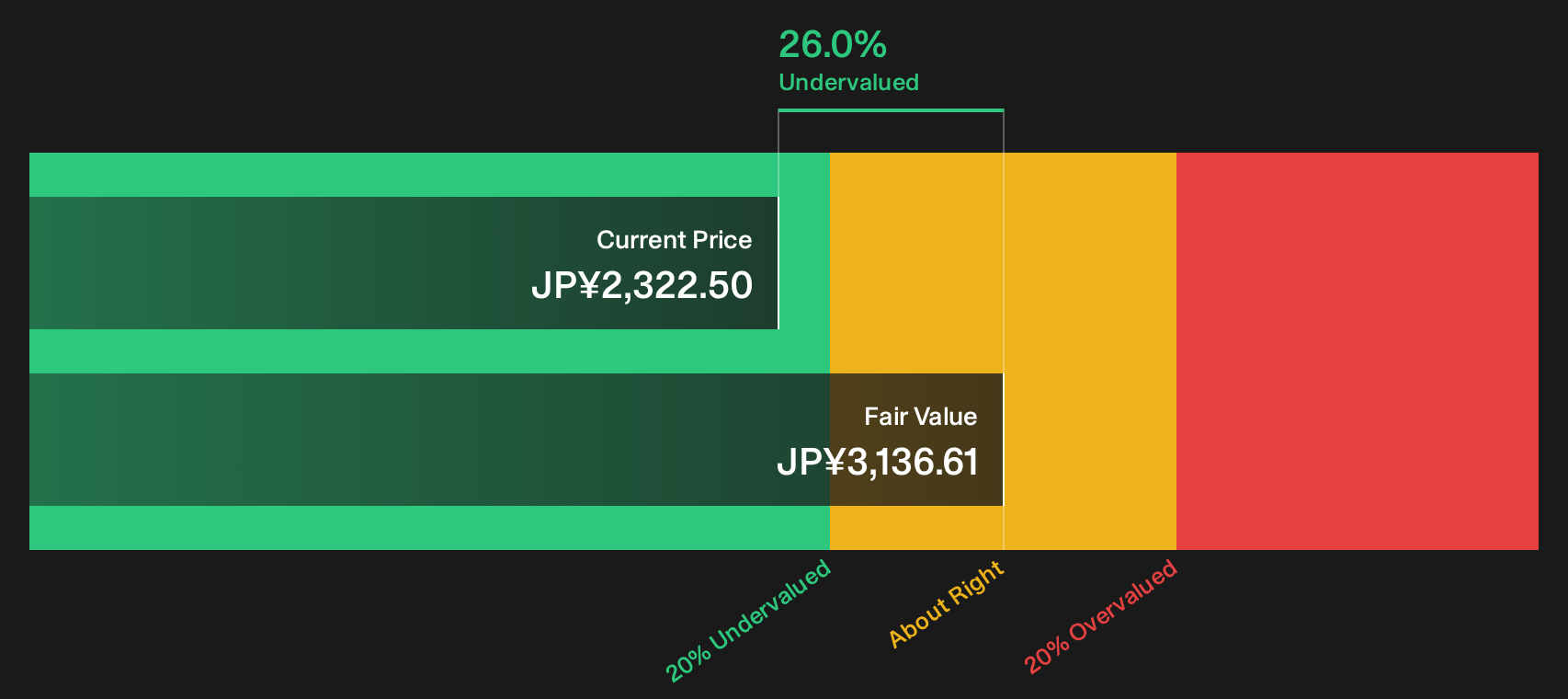
Nisshinbo Holdings provides exposure to hydrogen fuel cell hardware through its carbon separators and bipolar plates, within a larger industrial portfolio that is already producing mid single digit net margins and returning cash through dividends. Earnings are forecast to grow faster than the domestic market and the stock is flagged as trading below estimated fair value, so much depends on how any potential pressure on future pricing power plays out.
That pricing power question is exactly why many investors are turning to the 3 key rewards and 1 important warning sign to see what might be masking Nisshinbo Holdings real risk reward profile.
PG&E (PCG)
PG&E plays a different role in this hydrogen-focused list, using fuel cell systems on its grid to support backup power and resilience while still running a large regulated utility that sells and delivers electricity and gas across northern and central California.
PG&E Corporation runs a regulated utility that generated about US$25.8b in 2025 from selling and delivering electricity and natural gas in the United States, and the stock carries a market value near US$28.5b.
"Sustained and accelerating demand for electricity driven by large-scale data center and technology sector growth in California, now reflected in PG&E's expanded 12 gigawatt data center load pipeline with 1.8 gigawatts expected online by 2030, continues to support higher long-term revenue potential and better fixed cost recovery as this new usage is priced into bills."
The real turning point for PG&E’s hydrogen-linked grid ambitions may come from how one unresolved policy decision affects future funding costs and project pacing.
If that funding path is what you care about, read the full narrative for PG&E to see how PG&E’s grid plans and hydrogen role could be getting mispriced.
SCREEN Holdings (TSE:7735)
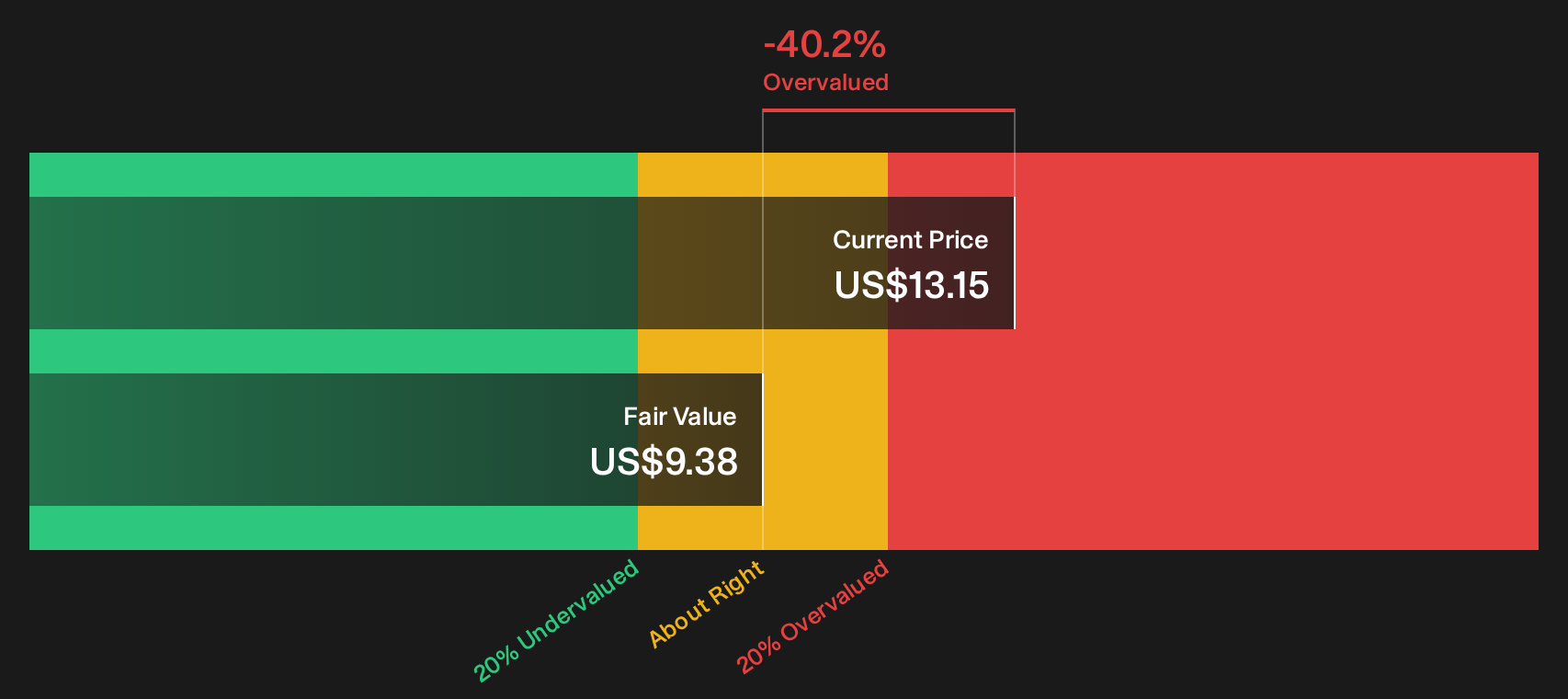
SCREEN Holdings is a semiconductor equipment heavyweight that also supplies membrane electrode assemblies for hydrogen fuel cells, giving investors indirect exposure to fuel cell stacks alongside a much larger wafer and display tool portfolio. The business generated about ¥469.6b from semiconductor production equipment, ¥58.4b from graphic arts, ¥45.6b from display and coater tools and ¥14.6b from PCB related gear, with other activities contributing ¥28.9b. At a market value near ¥2.28t, SCREEN Holdings is a large cap player in this theme.
Where Nisshinbo and PG&E touch hydrogen through components and grid use, SCREEN Holdings brings the fuel cell story into the high end of chip fabrication and printing equipment while quietly producing MEAs that sit inside hydrogen stacks.
"SCREEN Holdings is positioned to benefit from ongoing investment cycles in AI related semiconductor applications, with management now pointing to strong inquiries and record high SPE orders linked to 2 to 3 nanometer foundry and DRAM capacity additions that are expected to support revenue growth and operating income."
What happens to that upbeat view depends on how one pressure on future earnings power and capital intensity eventually resolves.
That turning point is exactly why it is worth reading the full narrative for SCREEN Holdings to see how SCREEN Holdings’ fuel cell work and chip tools story could be getting misread.

Seeking Alternatives Before The Crowd?
Fresh opportunities do not wait. Breakout stories gain momentum, quiet winners stop flying under the radar and fading ideas keep dropping. Scan these curated lists now and get in early.
- Spot cash generative businesses with room to rerate by running the 15 high quality undervalued stocks while the gap between price and fundamentals still matters.
- Ride structural themes with financially robust operators by scanning the list of solid balance sheet and fundamentals (23 results) and avoid getting caught chasing weaker balance sheets later.
- Track quiet compounding machines through the 72 high quality undiscovered gems before fresh coverage and rising volumes reshape how the market prices them.
Have feedback on this article? Concerned about the content? Get in touch with us directly. Alternatively, email editorial-team@simplywallst.com